Language


Views: 222 Author: Yinda Powder Coating Publish Time: 2026-05-31 Origin: Site


Content Menu
● 3D Metallic Powder Coatings: A New Era for Architectural and Industrial Finishes
● What Are Metallic Powder Coatings?
● From Dry Blend to Bonded: How Metallic Powders Evolved
>> Early stage: Dry‑blend metallic powder coatings
>> Breakthrough: Bonded metallic powder coatings
● Why Liquid Metallic Paints Still Dominated High‑End 3D Effects
● 3D Metallic Powder Coatings: Closing the Gap with Liquid Paint
● Technical Advantages: Performance, Process and Sustainability
>> High durability for outdoor and high‑traffic use
>> Process efficiency and rework reduction
>> Environmental benefits and "green" positioning
● Where 3D Metallic Powder Coatings Create the Most Value
● Practical Selection Guide: Dry Blend vs Bonded vs 3D Metallic
● Implementation: How to Integrate 3D Metallic Powders into Your Line
>> Step 1: Define visual and performance requirements
>> Step 2: Partner with a specialist supplier
>> Step 3: Optimize application and quality control
● Expert Perspective: Why Now Is the Right Time to Switch
● Why Work with Yinda Technology for 3D Metallic and Eco‑Friendly Powder Coatings?
● Clear Next Steps: Start Your 3D Metallic Powder Coating Project
● Frequently Asked Questions (FAQ)
For decades, liquid metallic paints were the first choice whenever designers needed a dramatic 3D metallic effect on aluminum profiles, doors and windows, vehicles or premium equipment panels. Today, 3D metallic powder coatings are closing – and in many applications, surpassing – that gap by delivering a wet‑paint‑like depth and sparkle in a single, solvent‑free coat. [axalta]
As a coatings specialist working closely with architects, metal fabricators and OEMs in Asia and the Middle East, I've watched this shift accelerate as buyers demand more visual impact, faster production and greener solutions at the same time. In this article, I'll break down what 3D metallic powder coatings really are, how they differ from conventional metallic powders, and how manufacturers like Yinda Technology can help you apply them profitably to your next project. [chinapowdercoating]

Metallic powder coatings are thermoset or thermoplastic powder systems that incorporate metallic flakes or effect pigments such as aluminum, bronze, stainless steel or mica. When cured, those flakes create a reflective, metallic appearance on metal substrates like aluminum, steel or galvanized components. [delulu9]
Because the coating is applied as a dry powder and cured in an oven, the process is inherently free of solvent‑borne VOC emissions, which makes metallic powders a key technology in sustainable architectural and industrial finishing. [chinapowdercoating]
Before we talk about 3D metallic effects, it helps to understand how metallic powders have evolved over the last 40 years. [delulu9]
In early metallic powders, manufacturers dry‑blended metallic flakes into the base powder near the end of production. This approach brought metallic effects to the architectural market, but it came with issues: [delulu9]
- Uneven metallic flake distribution, causing light and dark patches or striping on large surfaces. [delulu9]
- Higher rework rates, especially on complex geometries where flakes accumulated in corners or recesses. [delulu9]
- Batch‑to‑batch color variation, because metallic and base powder could separate during transport or application. [delulu9]
For basic metallic looks this was acceptable, but demanding façade, automotive or premium equipment applications quickly exposed these limitations. [lovellmediagroup]
The next big leap was bonded metallic powders, where metallic flakes are physically bonded to the powder particles themselves. This process delivers several practical advantages: [delulu9]
- More homogeneous metallic appearance across the entire part because the flakes and powder move together during application. [delulu9]
- Higher metallic loading for stronger sparkle and depth while maintaining process stability. [delulu9]
- Improved batch consistency, helping fabricators avoid visible color shifts between production lots. [delulu9]
- Simpler spraying and less rework, so coaters can maintain efficiency on high‑volume production lines. [lovellmediagroup]
Bonded metallics are still the workhorse for many aluminum profile, automotive component and general industrial applications today.
Even with bonded metallics, one limitation remained: it was difficult to replicate the deep, multi‑layer 3D effect that premium liquid paints could achieve. [delulu9]
Liquid metallic systems often use:
- A carefully controlled metallic base layer.
- A tinted clearcoat to add perceived "depth" and color travel.
- Optional extra clear coats for durability or gloss control.
This multi‑layer stack creates a rich, 3D visual that changes with viewing angle and distance, something standard metallic powders struggled to match because they were typically applied as a single functional layer. [delulu9]
The result: customers chose liquid systems for the most design‑driven projects, despite longer process times, higher VOC emissions and more complex handling.
Recent innovations have changed that picture. Manufacturers like TIGER Drylac have developed 3D metallic powder coating technologies that deliver a wet‑paint‑like 3D effect in a single coat. These systems provide: [delulu9]
- Striking spatial depth and brightness, visible even at a distance and from multiple viewing angles. [delulu9]
- Clear, high‑definition metallic flake orientation, which makes the effect crisp rather than cloudy. [delulu9]
- No additional topcoat required, reducing process steps and curing cycles compared with multi‑layer metallic liquid paints. [axalta]
From an applicator's point of view, one of the biggest advantages is first‑pass transfer efficiency and recoatability: 3D metallic powders are designed to spray easily, reduce rework and maintain performance even when parts must be recoated. [delulu9]
3D metallic powder coatings are not just a visual upgrade; they also align with broader trends in sustainable, high‑efficiency coating systems. [pinturaindustrialmestres]
Leading 3D metallic powder ranges are formulated as super‑durable exterior systems, often targeting architectural applications where 15–25‑year performance is required under UV and weather exposure. That makes them suitable for: [axalta]
- Building façades and curtain walls.
- Aluminum doors, windows and shading systems.
- Public infrastructure elements such as railings, poles, and street furniture.
Because the metallic effect is built into a single coat that sprays consistently, coaters benefit from:
- Reduced rework and rejects due to more uniform metallic appearance. [delulu9]
- Lower sensitivity to equipment settings, making production more stable across shifts and locations. [lovellmediagroup]
- Faster throughput, since there is no need for multi‑layer stacks and extended curing cycles. [pinturaindustrialmestres]
Powder coatings are inherently solvent‑free and VOC‑free, so switching from metallic liquid paints to metallic powders helps manufacturers meet stricter environmental regulations and internal ESG targets. Combined with energy‑saving oven technologies and low‑temperature‑cure powder chemistries, they support more sustainable production lines. [chinapowdercoating]
Innovations such as bio‑based resins can further reduce the carbon footprint of powder coatings, cutting cradle‑to‑gate emissions by around 25% per kilogram of coating in some systems. For architects and OEMs working on green building or low‑carbon projects, 3D metallic powders offer a powerful combination of visual impact and sustainability credentials. [pinturaindustrialmestres]
As an industrial buyer or design engineer, you should not ask "Can we use 3D metallic powder?" but rather "Where will it deliver the highest ROI?" Based on current market adoption, some high‑impact use cases include: [chinapowdercoating]
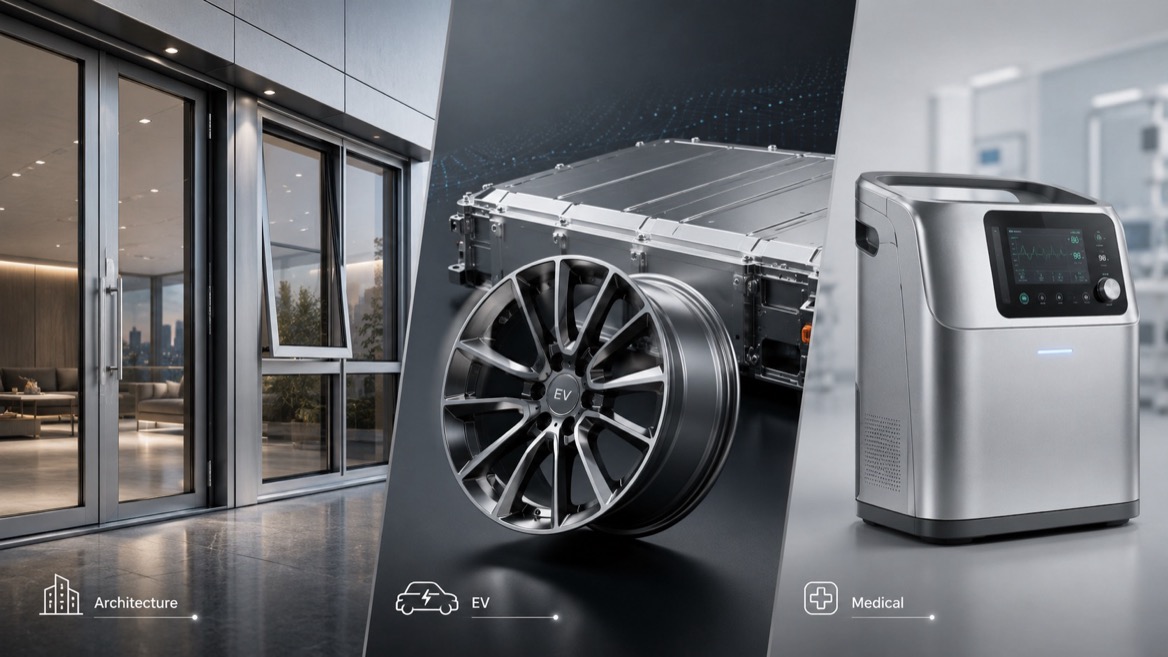
- Architectural aluminum profiles and façade elements – achieve luxury, depth and color consistency across large façades without multi‑coat liquid systems.
- Doors, windows and shading systems – offer premium looks to developers and homeowners while maintaining durability in harsh climates.
- New energy vehicles (NEVs) – apply bold 3D effects to battery housings, trim parts or alloy wheels while keeping production VOC‑free.
- Medical devices and equipment – combine hygienic, easy‑to‑clean surfaces with distinctive metallic color coding for different product lines.
- High‑end hardware, lighting and consumer electronics – create differentiation with deep metallic finishes that still withstand everyday wear.
For manufacturers with operations in China, Indonesia and Saudi Arabia, these products also respond to regional trends: rapid urbanization, large‑scale infrastructure projects, and growing demand for sustainable yet visually distinctive materials. [pinturaindustrialmestres]
To simplify decision‑making for technical buyers and coaters, the table below summarizes key differences. [lovellmediagroup]
| Feature / Aspect | Dry‑Blend Metallic Powder | Bonded Metallic Powder | 3D Metallic Powder Coating |
|---|---|---|---|
| Metallic effect uniformity | Basic, prone to mottling on large parts (delulu9) | Good uniformity on most geometries (delulu9) | Excellent 3D depth, visible from distance and angles (delulu9) |
| Batch‑to‑batch consistency | Moderate, risk of separation (delulu9) | High, flakes bonded to base powder (delulu9) | High, premium effect controlled via advanced formulation (delulu9) |
| Ease of application | Sensitive to gun settings, more rework (delulu9) | Generally easy to spray, less rework (delulu9) | Optimized first‑pass transfer, designed for recoatability (delulu9) |
| Number of coats needed | Usually one | Usually one | One coat, no separate clear required (delulu9) |
| Best use cases | Cost‑sensitive or non‑critical applications | Mainstream architectural and industrial | High‑end architectural, NEV, premium equipment and design projects (delulu9) |
If you are considering upgrading from standard metallics or liquids to 3D metallic powders, a structured approach will reduce risk and accelerate ROI. [ranktracker]
Start by collaborating with your design, engineering and marketing teams to define:
1. Target visual effect (depth, sparkle, gloss, color tone).
2. Durability requirements (indoor vs outdoor, warranty expectations).
3. Regulatory and sustainability goals (VOC elimination, LEED or local green building requirements). [axalta]
Work with a powder coating manufacturer that combines metallic expertise with environmental materials and energy‑saving technology, such as Yinda Technology. A capable partner can:
- Recommend matching 3D metallic formulations for your substrates and end‑use conditions.
- Provide line‑side technical support during scale‑up and first production trials.
- Help optimize curing temperature, conveyor speed and film thickness to balance appearance, energy use and throughput. [chinapowdercoating]
Conduct pilot trials to fine‑tune:
- Gun settings (kV, powder output, gun‑to‑part distance).
- Grounding and part racking for complex geometries.
- Bake schedule to ensure full cure and peak 3D effect.
Document your standard operating parameters, then implement simple visual and instrumental QC checks (e.g., color, gloss, film thickness) to keep your finish consistent across shifts and plants. [ranktracker]
From my work with industrial buyers and coaters, I see three converging forces that make now the right time to consider 3D metallic powder coatings:
- Design expectations are rising – Architects, automotive designers and brand owners want finishes that stand out in crowded markets. [pinturaindustrialmestres]
- Sustainability is non‑negotiable – Powder coatings' zero‑VOC profile and emerging bio‑based formulations make them a strategic fit for global sustainability agendas. [axalta]
- Operational efficiency is under pressure – Energy‑intensive, multi‑coat liquid systems are harder to justify when single‑coat powder solutions can deliver similar or better aesthetics. [chinapowdercoating]
3D metallic powder coatings sit at the intersection of these trends, offering industrial buyers a practical, scalable path to modernize both the appearance and the footprint of their finishing operations.
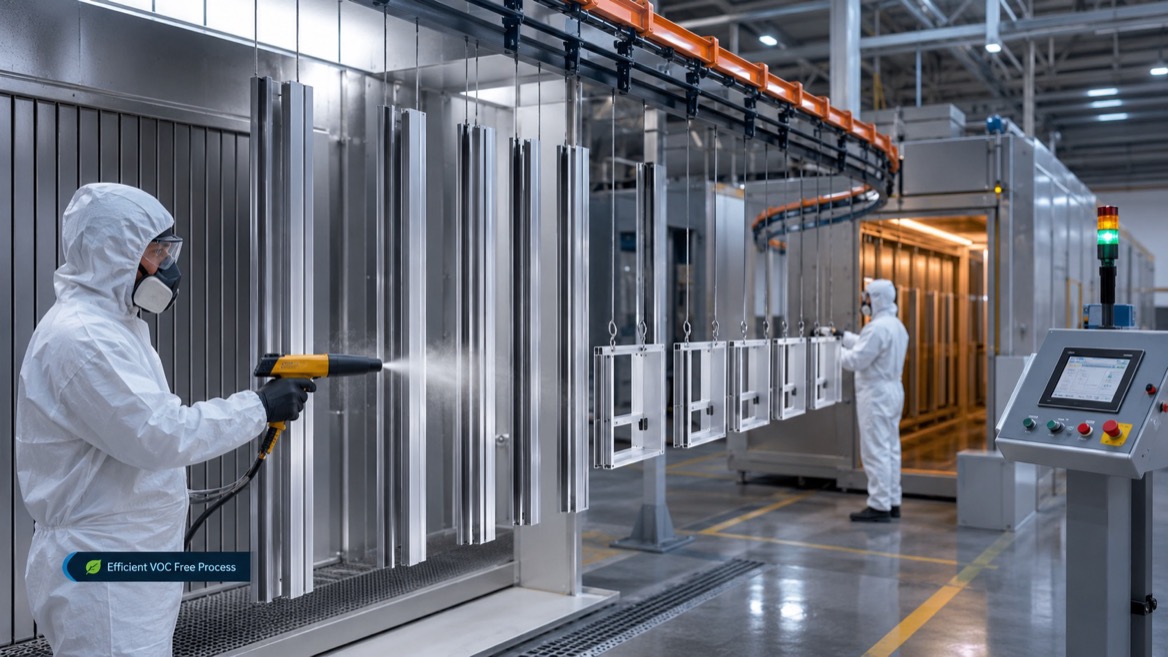
Yinda Technology is a specialized powder coating and environmental materials manufacturer focused on R&D, production, sales and energy‑saving technology promotion for industrial coatings. With subsidiaries in China, Indonesia and Saudi Arabia, we support regional and global customers with localized service and fast technical response.
Our product portfolio covers a wide range of industries, including architectural profiles, doors and windows, new energy vehicles, medical equipment, hardware and electrical appliances, allowing us to transfer best practices and insights across multiple sectors. Building on this experience, we are actively developing and supplying 3D metallic powder systems and eco‑friendly solutions that help our customers balance design, durability and sustainability.
If you are exploring a transition from liquid metallic paints or conventional metallic powders, our technical team can provide line assessments, formulation recommendations, and pilot‑scale trials to help you de‑risk your upgrade.
If you are a procurement manager, coating line engineer or product designer, and you want to:
- Deliver premium metallic 3D effects comparable to high‑end liquid paints.
- Reduce VOC emissions and environmental impact across your coating operations.
- Improve throughput and consistency on your production lines.
Then it is time to evaluate 3D metallic powder coatings with an experienced partner.
Contact Yinda Technology today to discuss your project requirements, request sample panels, or schedule a technical consultation for your facilities in China, Indonesia or Saudi Arabia. Our experts will help you select the right 3D metallic solution and implement it efficiently – from the first trial panel to full‑scale production.
1. What is the main difference between 3D metallic powder coatings and standard metallic powders?
Standard metallic powders use metallic flakes to provide a metallic look, but the visual depth is limited and can appear relatively flat on large surfaces. 3D metallic powders are formulated to create a wet‑paint‑like depth and spatial clarity, providing a stronger 3D effect even from a distance and multiple viewing angles. [delulu9]
2. Can 3D metallic powder coatings replace liquid metallic paints in all applications?
In many architectural, industrial and equipment applications, yes – especially where a single‑coat metallic finish is acceptable and VOC reduction is a priority. However, niche applications that require ultra‑complex color‑shift effects or extremely flexible films may still rely on specialized liquid systems, so a case‑by‑case technical evaluation is recommended. [axalta]
3. Are 3D metallic powder coatings suitable for outdoor use in harsh climates?
Yes, leading 3D metallic powder ranges are designed as super‑durable systems for outdoor exposure, making them suitable for façades, doors, windows and public infrastructure in demanding climates. Proper substrate preparation and application are critical to achieving the specified lifetime. [ranktracker]
4. How do 3D metallic powder coatings support sustainability goals?
They are solvent‑free and VOC‑free, contributing to cleaner air and easier regulatory compliance. Combined with energy‑efficient curing and emerging bio‑based resins, they can significantly reduce the carbon footprint of industrial coating lines over the full life cycle. [pinturaindustrialmestres]
5. What should we prepare before testing 3D metallic powder coatings on our line?
You should define your target visual effect and performance requirements, prepare representative sample parts, and share your current line parameters (substrate type, pretreatment, oven type, conveyor speed, etc.) with your coating supplier. This enables a tailored trial plan that minimizes rework and speeds up successful scale‑up. [ranktracker]
1. TIGER Coatings – "A New Dimension in Metallic Powder Coatings…3D!" (accessed 2026).
<https://www.tiger-coatings.com/us-en/tiger-group/tiger-blog/a-new-dimension-in-metallic-powder-coatings3d> [delulu9]
2. China Powder Coating Network – "Exploring the Future Development Trends of Powder Coatings" (accessed 2026).
<https://www.chinapowdercoating.com/exploring-the-future-development-trends-of-powder-coatings/> [chinapowdercoating]
3. Axalta ColourDesign Library – "Innovations in powder coatings" (accessed 2026).
<https://www.axalta.com/colourdesign_global/en_US/colourdesign-library/innovations-in-powder-coatings.html> [axalta]
4. Lovell Media Group – "SEO for Industrial Coating Services | Protective Coating Marketing" (accessed 2026).
<https://lovellmediagroup.com/industries/sector-specific-seo/industrial-coating-services/> [lovellmediagroup]
5. Pintura Industrial Mestres – "Industrial coating trends for 2026: innovation, sustainability and high performance" (accessed 2026).
<https://pinturaindustrialmestres.com/en/blog/industrial-coating-trends-for-2026-innovation-sustainability-and-high-performance/> [pinturaindustrialmestres]
6. Ranktracker – "Industrial Painting & Powder Coating SEO: Build Visibility …" (accessed 2026).
<https://www.ranktracker.com/blog/industrial-painting-powder-coating-seo/> [ranktracker]
Hot Tags: powder coat temp, powder finish paint, chrome powder coat powder, industrial finishing
, paint and powder coating, wholesale, custom, manufacturers, suppliers, factory, sampling, trial, prototype


