Language


Views: 202 Author: Yinda Powder Coating Publish Time: 2026-07-10 Origin: Site


Content Menu
● Understanding Outgassing in Iron Castings
● Key Causes: Why Iron Castings Outgas
● Proven Industry Degassing Procedure (Step‑by‑Step)
>> Step 1 – Pre‑bake Above Cure Temperature
>> Step 2 – Controlled Cooling Before Blasting
>> Step 3 – Abrasive Blasting and Surface Profiling
>> Step 4 – Optional Second Burn‑Off Cycle
>> Step 5 – High‑Pressure Air Cleaning
>> Step 6 – Use Outgassing‑Friendly Primers and Topcoats
● Additional Engineering Controls at the Foundry
● Optimizing Cure Profiles and Oven Technology
>> Alternative Heating Technologies
● Practical Quality Control Tests for Castings and Coatings
● How Yinda Technology Approaches Outgassing Challenges
● Actionable Checklist for Reducing Outgassing
● Call to Action – Partner with a Technical Powder Coating Expert
● FAQs on Outgassing of Iron Castings
A well-controlled degassing strategy plus the right powder formulation can dramatically reduce outgassing defects on iron castings and other porous metal substrates, turning a chronic finishing headache into a stable, predictable process. [tiger-coatings]
Outgassing occurs when entrapped gases, moisture, or volatiles inside a porous casting escape during curing, creating pinholes, craters, or blisters in the powder coating film. This is particularly common with sand cast iron, aluminum castings, and galvanized steel, where porosity and surface contamination are difficult to avoid. [pfonline]
From my experience working with castings for architectural components and industrial equipment, outgassing problems often appear only after color change or line speed adjustments, which misleads coaters into blaming powder quality rather than substrate porosity. The reality is that substrate, process and powder formulation all interact, and robust control requires addressing all three. [pfonline]
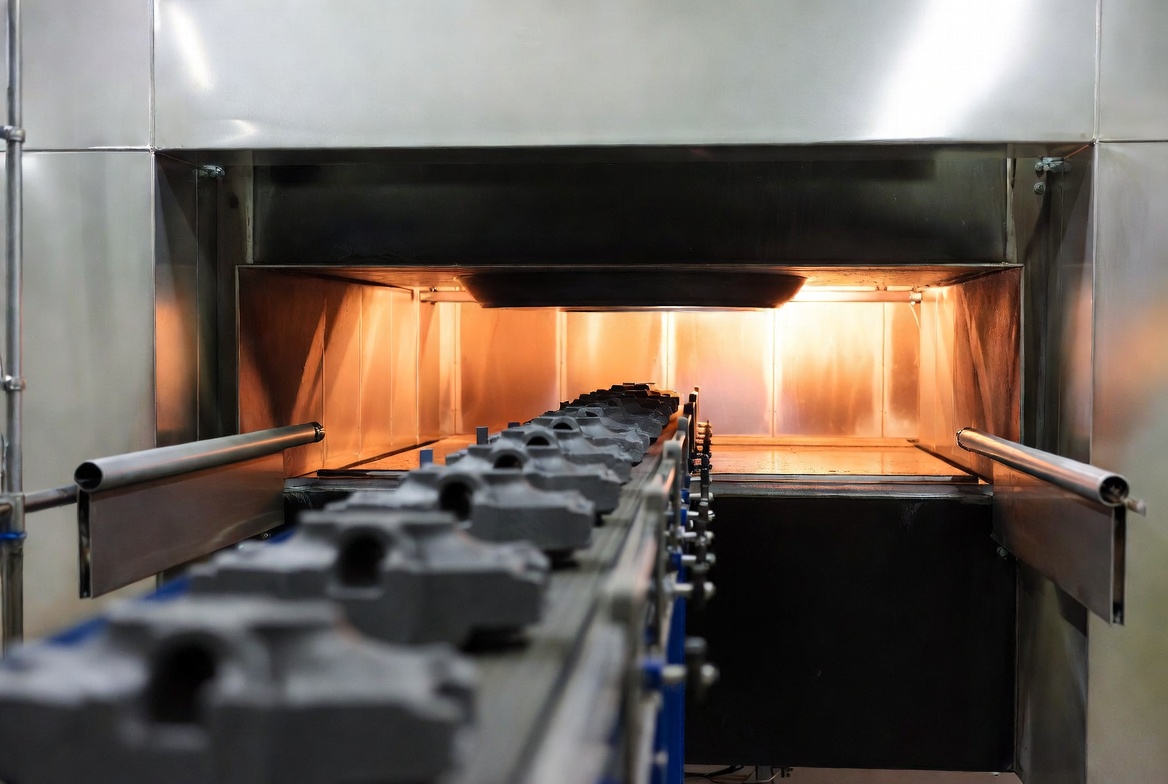
Several root causes typically converge to create visible defects in powder-coated castings:
- Casting porosity and trapped air inside the metal matrix. [powdercoatedtough]
- Residual moisture and oils from machining, storage, or poor pretreatment. [batesvilleproducts]
- Improper curing profiles, especially very high oven ramp rates or uneven heating. [pfonline]
- Incompatible or under-degassed primers and topcoats that gel too early and trap evolving gases. [pfonline]
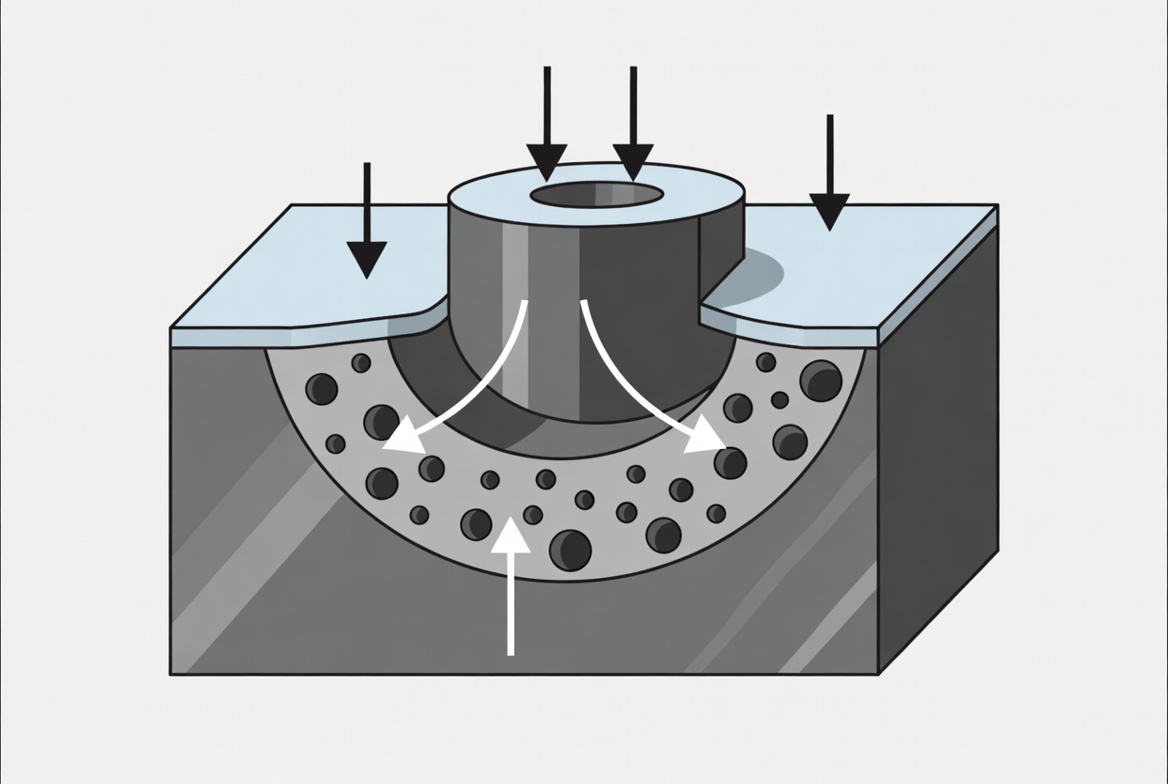
In practical terms, when the part temperature rises above a critical point in the oven, any trapped volatiles expand and try to escape through the coating film, forming pinholes or craters if the coating has already started to cure. [youtube]
A widely adopted method in the powder coating industry combines controlled pre-baking with careful surface preparation and specialized primers/topcoats. Below is a consolidated procedure based on industrial best practices and field experience. [tiger-coatings]
- Set the oven temperature slightly higher than the final cure temperature, typically 400–420°F (204–215°C) and not more than about 450°F (232°C). [powdercoatedtough]
- Hold the parts at temperature long enough for the substrate to fully reach temperature and release volatiles; for many iron castings this is 45–50 minutes depending on wall thickness and mass. [tiger-coatings]
- Some plants use simple rules of thumb like curing at 325°F for 10 minutes and degassing at 340°F for 15 minutes before coating. [batesvilleproducts]
In practice, I recommend developing a degassing curve per casting family, validating the minimum time and temperature needed to clear porosity without distorting the part. [pfonline]
After pre-bake, allow castings to cool down completely before abrasive blasting. [batesvilleproducts]
If blasting begins while the substrate is still hot, blast media such as sand or steel shot can embed into the expanded pores, creating local contamination sites and new pinhole sources. Cooling to near ambient temperature also improves profile control and blast consistency. [powdercoatedtough]
Once cool, perform abrasive blasting to create a clean mechanical profile suitable for powder adhesion. [tiger-coatings]
- Use sand or steel shot with appropriate mesh and pressure.
- Avoid over-blasting, which can open more pores or alter geometry.
- Target a uniform anchor profile consistent with your powder's recommended surface roughness. [p2infohouse]
Proper blasting removes oxide, loose contamination, and surface defects that could otherwise mimic outgassing (e.g., craters from under-cleaning). [p2infohouse]
For highly porous or critical castings, an additional short pre-bake after blasting can further reduce defects. [youtube]
Reintroducing parts into the oven at slightly elevated temperature gives any newly exposed pores another chance to release gas before coating. This is especially useful for large architectural profiles, heavy machine bases, and parts destined for high-visibility finishes. [pfonline]
After the final thermal cycle, use high-pressure dry air to remove embedded blast media and dust from pores and recesses. [powdercoatedtough]
This step is often overlooked, but residual media can behave like micro-contaminants, later volatizing or creating localized adhesion loss that resembles outgassing. [pfonline]
The final line of defense is powder formulation designed for porous substrates. [pfonline]
- Special outgassing primers and topcoats remain open longer during cure or include additives that allow gases to escape before full film gel. [pfonline]
- Some manufacturers also offer OGF (Out Gas Free) additives that can be dry-blended into standard powder to assist with this phenomenon on-site. [youtube]
For iron and aluminum castings, formulators recommend powders that provide more flow before hardening, reducing crater formation as gases evolve. [pfonline]
While coaters often try to solve outgassing entirely in the finishing department, a significant part of the problem resides in foundry practice. [pfonline]
Foundries can reduce entrapped gases by:
- Adjusting mold design with chills and vents to improve solidification and gas evacuation. [pfonline]
- Modifying metallurgy within allowable specs to reduce porosity and gas generation. [powdercoatedtough]
In situations where you have long-term supply relationships, initiating a joint quality improvement program with the foundry can yield substantial reductions in outgassing-related scrap. [pfonline]
For critical components, vacuum impregnation with polymer resins can effectively seal the casting and minimize gas release. [pfonline]
Two main processes are used:
- Dry vacuum pressure impregnation, which first removes gases from pores without liquid, then introduces resin under pressure. [pfonline]
- Wet vacuum pressure impregnation, where parts are submerged in sealant while vacuum and subsequent pressure are applied. [pfonline]
Both methods cure resin inside the porosity, dramatically reducing outgassing and leakage, although they add cost and require careful post-cleaning. [pfonline]
Beyond substrate preparation, thermal management during curing plays a key role in controlling outgassing. [youtube]
- Lower cure temperatures generally reduce the rate of air release and can help limit defects, provided film crosslinking remains within specification. [pfonline]
- Many coaters experiment with preheating above cure temperature followed by a slightly reduced cure temperature, balancing gas evolution with coating performance. [pfonline]
Fine-tuning these parameters requires shop-floor testing because each casting design responds differently. [batesvilleproducts]
Switching from conventional convection ovens to infrared (IR) or ultraviolet (UV) curing systems can reduce the need to heat the entire mass of the part. [powdercoatedtough]
By focusing energy on the coating rather than the bulk metal, IR or UV systems sometimes allow gases to remain trapped deeper in the casting while achieving surface cure, which can reduce pinholes on certain geometries. However, this approach must be carefully validated to avoid internal stress or long-term failures. [pfonline]
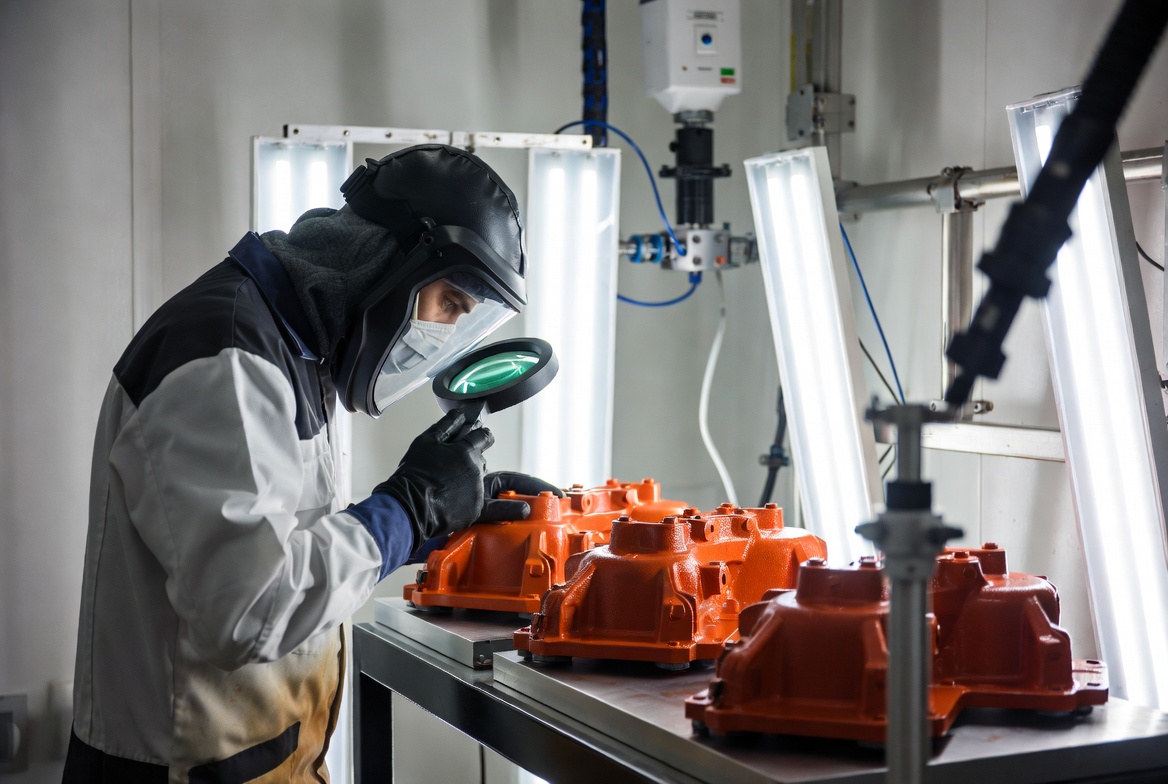
Establishing simple quality checks at the finishing line helps distinguish true outgassing from other coating defects. [youtube]
- Visual inspection under proper lighting for craters, pinholes, and blisters immediately after cure. [youtube]
- Crosshatch adhesion testing using etched grids and tape pull to confirm coating bonding to degassed substrates. [batesvilleproducts]
- Pencil hardness and solvent rub tests (e.g., MEK or acetone) to verify cure adequacy and avoid under-cured films that might mask outgassing in the short term. [batesvilleproducts]
These quick tests prevent misdiagnosis and support continuous improvement of degassing parameters. [youtube]
As a powder coating and eco-materials manufacturer serving architectural profiles, doors and windows, new energy vehicles, medical equipment, hardware, and electrical industries across China, Indonesia, and Saudi Arabia, Yinda Technology encounters outgassing challenges in diverse casting applications.
Drawing on industry best practices, our typical approach includes:
- Collaborative troubleshooting with customers and casting suppliers to review porosity, storage conditions, and pretreatment steps. [powdercoatedtough]
- Tailored recommendations on pre-bake parameters, surface preparation, and primer/topcoat selection based on substrate, geometry, and end-use requirements. [tiger-coatings]
- Where necessary, guidance on impregnation and sealant compatibility with our powder formulations. [pfonline]
This integrated perspective helps coaters move from trial-and-error to repeatable, documented processes that reduce rework, improve cosmetic quality, and stabilize line throughput.
To translate these concepts into daily operations, use the following checklist as a practical guide:
1. Review casting quality with the foundry and assess porosity, storage, and handling. [pfonline]
2. Define a pre-bake profile above cure temperature, validated per casting family. [tiger-coatings]
3. Cool fully before blasting, then create a consistent mechanical profile. [tiger-coatings]
4. Consider a second burn-off for highly porous or critical parts. [tiger-coatings]
5. Clean with high-pressure air and suitable chemical pretreatment to remove contaminants. [batesvilleproducts]
6. Specify outgassing-tolerant powders, primers, or additives with your supplier. [pfonline]
7. Optimize cure temperature and time, and evaluate IR/UV options where appropriate. [powdercoatedtough]
8. Implement QC tests (visual, adhesion, hardness, solvent rub) to monitor performance. [youtube]
If your team is struggling with recurring pinholes and blisters on iron castings, working with a technical powder coating partner can significantly accelerate problem resolution. Yinda Technology's engineering and technical service teams can:
- Audit your current process, from casting receipt to final cure.
- Recommend optimized degassing and curing profiles tailored to your specific substrates.
- Provide powder formulations and additives designed to mitigate outgassing while meeting color and durability requirements.
To move from reactive troubleshooting to predictable, high-yield finishing, reach out to our technical specialists with details on your casting types, defect photos, and current process parameters.
Q1: How can I distinguish outgassing from surface contamination defects?
A1: Outgassing typically presents as pinholes or craters appearing during or immediately after cure, while contamination issues often show fish-eyes or localized adhesion loss. Combining visual inspection with proper pretreatment and solvent rub tests helps distinguish the two. [batesvilleproducts]
Q2: Is pre-baking always necessary for powder coating castings?
A2: Pre-baking is highly recommended for porous castings because it drives out internal gases and moisture before coating, significantly reducing defects. Some low-porosity or low-temperature applications may tolerate minimal or no pre-bake, but this should be validated through testing. [pfonline]
Q3: Will lower cure temperatures completely eliminate outgassing?
A3: Lower cure temperatures can reduce gas evolution rates and help limit defects, but they cannot fully overcome severe porosity or poor casting quality. Effective control usually combines casting improvements, pre-bake, suitable powder formulations, and optimized cure profiles. [pfonline]
Q4: Are outgassing‑resistant powders enough by themselves?
A4: Outgassing‑tolerant powders and additives improve film flow and gas release during cure, but they perform best when combined with proper degassing, pretreatment, and process control. Relying only on special powders without addressing substrate issues rarely solves chronic problems. [tiger-coatings]
Q5: When should I consider resin impregnation of castings?
A5: Resin impregnation is recommended for highly porous or safety‑critical castings where outgassing, leakage, or structural integrity must be tightly controlled. Although it adds cost, it can greatly reduce defects and improve long-term performance in demanding applications. [pfonline]
1. TIGER Coatings – "How to Prevent Outgassing of Iron Castings?" (Industrial degassing steps and powder recommendations)
[https://www.tiger-coatings.com/us-en/tiger-group/tiger-blog/how-to-prevent-outgassing-of-iron-castings] [tiger-coatings]
2. Products Finishing – "Outgassing Prevention" (Foundry collaboration and pre-bake strategies)
[https://www.pfonline.com/articles/outgassing-prevention] [pfonline]
3. Powder Coated Tough – "Dealing with Outgassing—Root Causes and Mitigation Techniques" (Degassing rationale and process guidance)
[https://www.powdercoatedtough.com/News/ID/5239/Dealing-with-OutgassingRoot-Causes-and-Mitigation-Techniques] [powdercoatedtough]
4. Products Finishing – "Powder Coating Q&A: Reducing Outgassing" (Impregnation methods and powder design for castings)
[https://www.pfonline.com/articles/powder-coating-qa-reducing-outgassing] [pfonline]
5. Batesville Products – "Finishing castings: polishing, painting, and powder coating" (Degassing rules and finishing tests)
[https://batesvilleproducts.com/resource/finishing-castings-polishing-painting-and-powder-coating] [batesvilleproducts]
6. Products Finishing – "How to Limit Outgassing on Castings" (Temperature, porosity, and powder formulation interactions)
[https://www.pfonline.com/articles/how-to-limit-outgassing-on-castings] [pfonline]
7. YouTube – "Powder outgassing and how to prevent it – easy QC tests for powder coaters" (Visual demonstration of outgassing and prevention methods)
[https://www.youtube.com/watch?v=8aU5jbV0QOs] [youtube]
8. User's Guide to Powder Coating – Third Edition (General powder coating process guidance)


