Language


Views: 272 Author: Yinda Powder Coating Publish Time: 2026-07-22 Origin: Site


Content Menu
● Architectural-Grade Powder Coating Powders for Modern Buildings
● What Defines an Architectural-Grade Powder?
● Understanding Performance Levels for Building Metals
>> Matching Powder Performance to Exposure
>> Why Long-Term Durability Matters
● Key Powder Chemistries in Architectural Use
>> Super-Durable Polyester Powders
>> Fluoropolymer Architectural Powders
>> Polyurethane-Based Systems for Challenging Environments
● The Strategic Role of Color and Texture
>> Core Architectural Color Palettes
>> Textures and Nature-Inspired Finishes
● Real-World Architectural Applications
>> Façades and Cladding Systems
>> Windows, Doors, and Framing Systems
>> Public and Hygienic Environments
● Quality Control as the Foundation of Reliable Coatings
>> Essential Steps in Powder Coating Plants
>> Edge Coverage and Complex Geometry
● Emerging Directions in Architectural Powder Coatings
>> Market Growth and Regional Dynamics
>> Sustainability and Process Efficiency
● A Practical Framework for Powder Selection
>> What makes a powder coating suitable for architectural use?
>> When should a top-tier exterior powder be considered?
>> How important is pretreatment before powder coating architectural aluminum?
>> Are antimicrobial powders relevant outside healthcare environments?
>> What information should be requested from a powder manufacturer for a building project?
Architectural-grade powder coatings have become a defining material for modern façades, window systems, and exterior metalwork in projects that demand long-term durability, aesthetic consistency, and environmental performance. From a practitioner's perspective, choosing the right powder system is no longer just a matter of color; it is a strategic decision that influences lifecycle cost, safety, and the visual identity of a building over many years.
The last decade has seen a strong shift from traditional liquid coatings to advanced powder technologies in architectural applications. Specifiers, façade consultants, and metal fabricators are now looking for finishes that can withstand aggressive climates, intensive cleaning, and continuous UV exposure while still delivering precise color control on complex structures.
Architectural-grade powders are formulated around strict performance benchmarks for weathering, corrosion resistance, mechanical strength, and color retention. When combined with consistent pretreatment and curing practices, these systems provide a robust protective and decorative layer for aluminum, steel, and other architectural metals used in façades, windows, doors, and public environments.

Architectural-grade powder coatings are engineered specifically for building envelopes and exterior metal elements that face long-term exposure to sun, rain, wind, and pollution. They differ from general industrial powders in several critical ways.
First, they are developed to meet defined performance standards that describe how a coating must behave over time. These standards focus on gloss retention, chalking, color shift, and resistance to corrosion and mechanical damage. Second, architectural powders undergo extended outdoor and accelerated tests to verify that they can maintain appearance and protection in real-world conditions. Finally, manufacturers treat these systems as part of a documented performance package, backed by data, process guidelines, and consistent quality control.
For architects and fabricators, this means that specifying an architectural-grade powder is a commitment to measurable durability rather than a purely aesthetic choice. It is a way to reduce risk over the service life of a building by relying on coatings with proven behavior rather than assumptions.
One of the most practical ways to evaluate architectural powder coatings is to match performance level to exposure risk. Exterior metals live in very different environments even on the same project: some components sit under deep overhangs, others face direct sunlight and wind-driven rain, and others are subjected to coastal salt or aggressive urban pollution.
A structured approach typically looks like this:
- Low exposure: Interior metal, sheltered framing, decorative trims
- Moderate exposure: Standard windows, doors, balcony elements, mid-rise façades
- High exposure: High-rise façades, coastal structures, sun-facing curtain walls
For low-exposure zones, a well-formulated polyester powder with basic exterior durability may be sufficient. As exposure intensifies, super-durable polyester systems become more appropriate, offering higher resistance to UV and color change. For the harshest conditions—tall buildings, coastal atmospheres, and prestige projects—fluoropolymer-based powders are often treated as the benchmark for risk control.
Long-term durability is not just about avoiding early repaint cycles. It also affects:
- Structural confidence in the building envelope
- Consistency of brand and visual identity over time
- Maintenance planning and access costs
- Perceived quality in high-profile public and commercial spaces
When the finish on frames, cladding, or façade elements begins to chalk, fade, or blister, the impact on asset value and user perception is immediate. For this reason, many projects now treat powder selection as part of a broader lifecycle and risk assessment rather than a late-stage aesthetic decision.
Super-durable polyester powders have become a workhorse for exterior architecture. Compared with standard polyester formulations, they are designed for improved UV stability, better gloss retention, and reduced chalking. This makes them suitable for mid-rise façades, window and door frames, exterior louvers, and many public structures where exposure is significant but not extreme.
These powders provide an attractive balance between performance and value. They allow design teams to use popular shades—such as bright whites, deep blacks, and neutral greys—while maintaining color consistency for many years in typical outdoor environments. When applied over robust pretreatment and cured correctly, super-durable polyester systems can provide reliable protection in a wide range of climates.
Fluoropolymer powders sit at the top of the performance spectrum for exterior metal. They are formulated to deliver outstanding resistance to prolonged sun exposure, color fading, and environmental stress. These systems are typically selected for:
- High-rise towers and complex façades
- Coastal or high-UV regions
- Landmark public buildings and premium commercial assets
Their value becomes clear when maintenance access is difficult, expensive, or disruptive. A well-chosen fluoropolymer powder can keep façades visually stable while protecting underlying substrates for extended periods, reducing the need for early refurbishment and minimizing risk for building owners.
Polyurethane-based powders are widely adopted where high chemical resistance and gloss retention are required alongside mechanical robustness. In architectural contexts, they are appropriate for exterior metals exposed to industrial atmospheres, frequent cleaning with detergents, or contact with chemicals.
Beyond buildings, polyurethane powders have a strong presence in sectors such as agricultural, construction, and earthmoving equipment, where coated parts experience demanding conditions. This cross-industry experience reinforces their suitability for architectural zones that bridge the boundary between typical façade exposure and more aggressive environments.
Color selection in architectural powder coating goes far beyond visual taste. It influences heat gain, dirt visibility, maintenance behavior, and the perceived age of a building. Modern projects frequently rely on carefully curated palettes centered on white, grey, brown, and black, complemented by metallic and textured effects.
- White and off-white: Enhance brightness, highlight form, and support minimalist or clean design languages.
- Greys and charcoals: Provide neutrality and sophistication, pairing well with glass, stone, and concrete.
- Browns and earth tones: Help metal elements sit comfortably alongside natural materials and landscape features.
- Blacks and near-black tones: Create strong contrast, emphasize geometry, and support high-end visual identities.
Selecting these colors in high-performance formulations allows buildings to maintain their intended aesthetic over time. It also ensures that replacement panels, frames, or accessories can match existing work more accurately.
As metal becomes more visible in urban landscapes, architects are increasingly specifying textured and nature-inspired powder finishes. Subtle metallic effects, fine textures, and low-gloss formulations soften reflections and help façades blend more harmoniously with stone, wood, and glass.
These finishes can:
- Reduce glare on sun-exposed elevations
- Hide minor surface imperfections on large panels
- Create a tactile, crafted feel on handrails and public elements
- Provide unique yet durable expressions for brand-driven environments
When combined with solid performance chemistry, textured powders offer designers a way to deliver both visual character and long-term reliability.
Façades and cladding are among the most demanding applications for powder coatings. Large surface areas face continuous exposure to UV radiation, thermal cycling, and dynamic weather. Super-durable polyester and fluoropolymer powders are widely used here, providing:
- Consistent color and gloss across multiple elevations and orientations
- Protection against corrosion at panel edges, joints, and fixings
- A stable visual impression that supports the building's identity over many seasons
Successful façade projects treat finishing as an integrated part of the design and engineering process. Coating choice is coordinated with panel detailing, joint design, and drainage paths to minimize points of stress and prevent water accumulation that can accelerate degradation.
Window and door systems are high-contact elements where users directly experience the quality of a building. Powder-coated frames, sashes, and hardware must endure opening and closing cycles, abrasion from use, and intermittent weathering.
In these applications, super-durable polyester or polyurethane powders are common choices. They provide durable color, resistance to chipping, and strong adhesion on aluminum or steel substrates. Well-executed window and door finishing helps:
- Maintain a clean, sharp appearance at close viewing distances
- Prevent early corrosion at corners, rebates, and cut edges
- Reinforce user confidence in the building's overall quality
Consistent finish quality across all openings is particularly important in multi-unit residential projects and large commercial buildings, where small defects quickly multiply in visual impact.
Hospitals, schools, transport terminals, and public facilities place additional demands on powder coatings. Surfaces must withstand frequent cleaning, contact with disinfectants, and heavy traffic, while still supporting hygiene objectives and aesthetic expectations.
Antimicrobial powder formulations are increasingly used for high-touch surfaces such as handrails, partitions, door furniture, and equipment housings. These systems are designed to:
- Complement cleaning practices by reducing microbial loading on coated surfaces
- Provide durable finishes that resist damage from cleaning chemicals
- Maintain a consistent appearance despite intensive use
Their effectiveness depends on rigorous surface preparation and controlled curing, reinforcing the principle that advanced formulation must be matched by disciplined process execution.
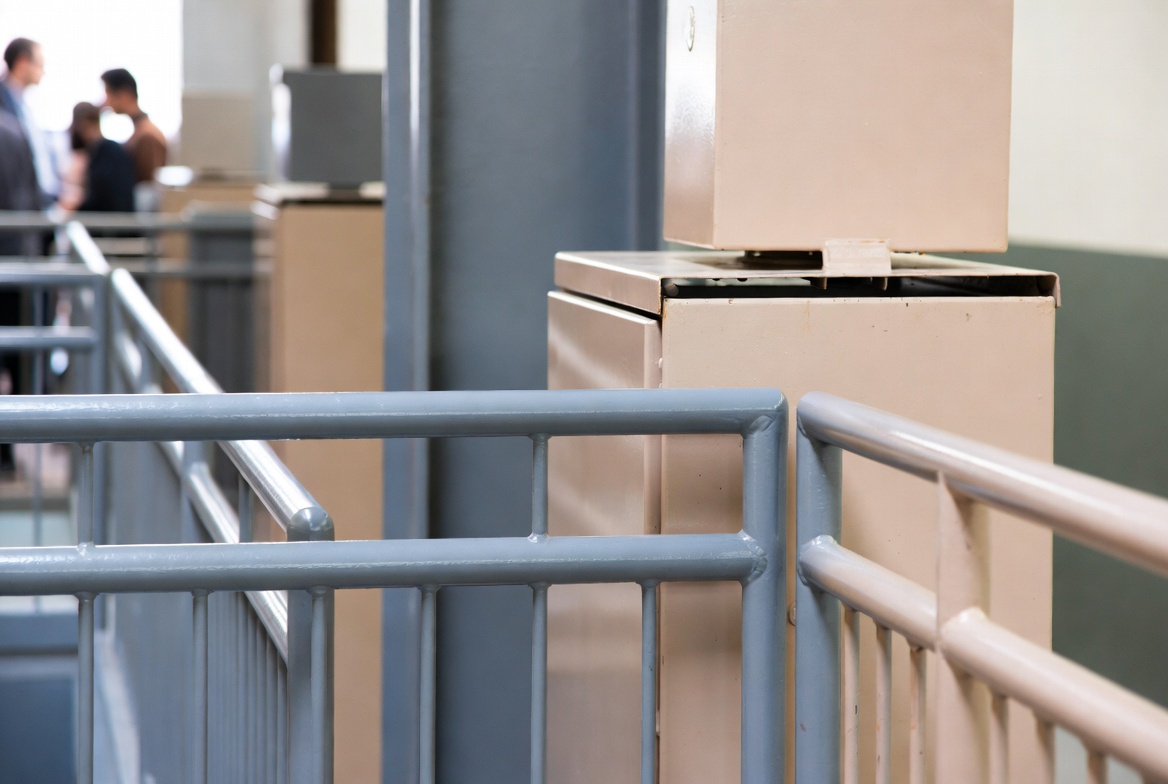
Even the most advanced architectural powder cannot deliver its potential without strong process control. Reliable plants share several key disciplines:
- Thorough surface preparation
Accurate cleaning and pretreatment remove contaminants and create a chemically active surface that promotes strong bonding. Poor preparation is one of the leading causes of coating failure.
- Controlled application parameters
Electrostatic settings, gun distance, powder flow, and booth conditions are carefully managed to achieve consistent film thickness and even coverage. This reduces risks of thin spots, excessive build, and visual defects.
- Verified curing profiles
Oven temperature mapping, time-at-temperature checks, and test panels confirm that powders reach full cure. Under-cured coatings may look correct initially but can fail prematurely in service.
- Routine inspection and documentation
Visual checks, adhesion tests, and recordkeeping allow issues to be traced, trends to be monitored, and compliance to be demonstrated. This documentation is especially important on large or critical projects.
When architectural work is distributed across multiple production sites, standardized quality procedures and shared data are essential. They ensure that every batch of coated components meets the same performance expectations, regardless of where it was produced.
Architectural metalwork increasingly features complex geometry: sharp edges, perforations, deep recesses, and intricate profiles. These features can be vulnerable points if coating coverage is not uniform.
Advanced powder technologies and optimized application techniques are designed to improve edge coverage and penetration into recesses. They help:
- Protect sharp corners and cut edges from early corrosion
- Maintain color and gloss continuity across complex shapes
- Extend the useful life of architectural details and accessories
In sectors such as heavy equipment and industrial structures, lessons learned about edge protection and coverage are now being applied directly to building components, strengthening overall performance.
Demand for powder coatings continues to grow across construction, automotive, and industrial sectors. Architectural applications are a notable driver, reflecting increased investment in façades, infrastructure, and public buildings. Regions with rapid urbanization and strong building activity show particularly strong adoption of advanced powder technologies.
This growth encourages manufacturers to expand capacity, improve energy efficiency in curing processes, and invest in new formulations that address evolving regulations and sustainability expectations.
Environmental considerations are reshaping expectations for building finishes. Powder coatings already offer inherent advantages such as low volatile organic compound emissions and high material utilization. Current developments focus on:
- Lower-temperature curing systems to reduce energy use
- Formulations with improved material yield and reduced waste
- Extended durability to minimize rework and refurbishment
- More transparent reporting around environmental performance
For project teams, these developments support broader sustainability objectives by aligning durable finishes with energy and resource efficiency throughout the building lifecycle.
For architects, specifiers, and fabricators, selecting an architectural powder is best approached through a clear framework rather than isolated decisions. A practical sequence is:
1. Define exposure conditions
Map sun, humidity, temperature swings, pollution, salt spray, and mechanical stress for each component.
2. Set performance level targets
Decide whether basic exterior durability, enhanced weathering performance, or top-tier long-term stability is required.
3. Choose the appropriate chemistry
Use super-durable polyester for balanced performance, fluoropolymer systems for the most demanding environments, and polyurethane-based powders where chemical resistance and gloss control are central.
4. Clarify color and texture strategy
Align palettes and finishes with architectural intent while considering maintenance behavior, dirt visibility, and heat gain.
5. Verify production capability
Ensure that coating partners can demonstrate consistent surface preparation, application control, curing validation, and inspection practices.
6. Document expectations and responsibilities
Capture performance criteria, inspection regimes, and maintenance guidelines so that all parties share the same understanding of targets and workflows.
By following such a framework, project teams can bridge the gap between design aspirations and real-world durability, creating façades and metal systems that remain visually coherent and structurally reliable over time.
Architectural-grade powder coatings now play a central role in how buildings express identity, handle environmental challenges, and deliver long-term value. When performance levels, chemistries, colors, and processes are chosen and executed with care, these coatings transform metal elements into durable assets rather than maintenance liabilities.
For architects, engineers, and manufacturers, the most successful projects treat powder-coated surfaces as strategic components of the building envelope. They integrate material knowledge, quality control, and practical design into a coherent plan, ensuring that façades, frames, and public environments continue to perform and inspire throughout their service life.
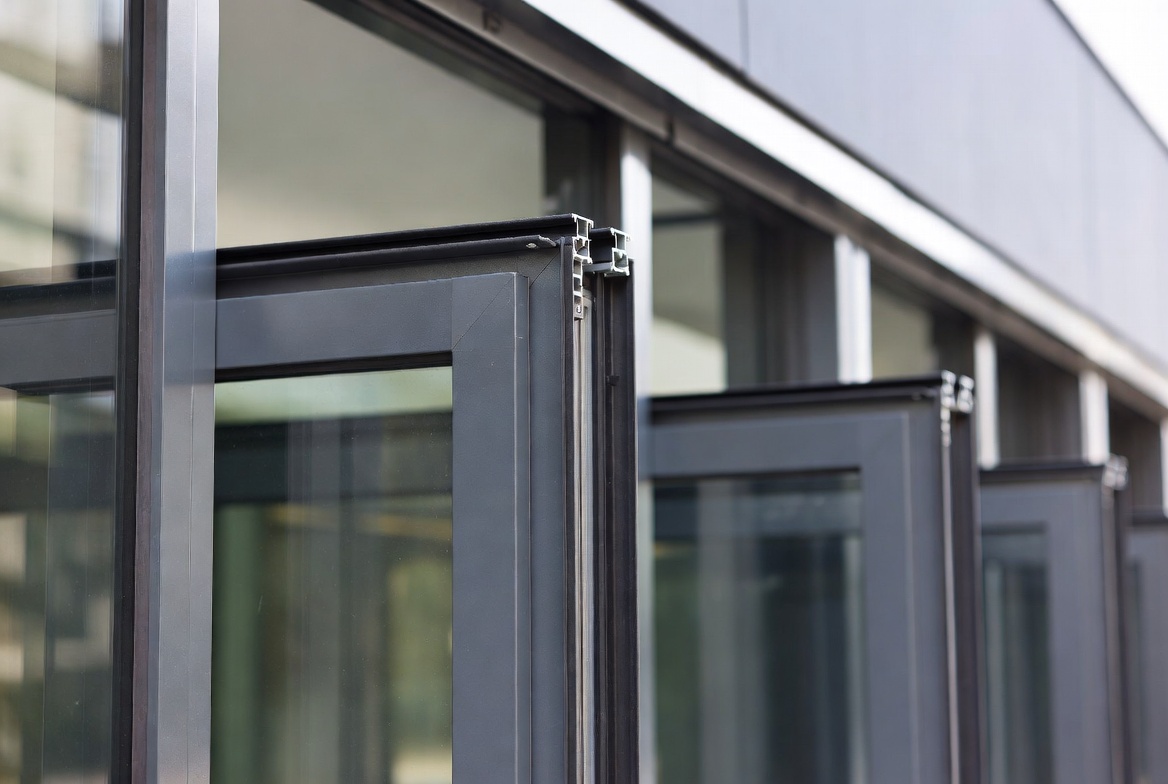
A powder coating is suitable for architectural use when it is formulated and tested to deliver long-term resistance to UV exposure, color change, corrosion, and mechanical wear on building metals. It should be supported by performance data and clear application guidelines.
Top-tier exterior powders are appropriate when components face intense sun, marine atmospheres, high pollution, or difficult access for maintenance. These systems help manage risk on structures such as high-rise façades, coastal buildings, and landmark projects.
Pretreatment is critical. Proper cleaning and conversion coatings remove contaminants and create an active surface that promotes durable bonding. Without strong pretreatment, even advanced powders can suffer from adhesion loss and under-film corrosion.
Antimicrobial powders are increasingly relevant in schools, transport hubs, public washrooms, and other high-traffic areas. They complement cleaning protocols by reducing microbial presence on coated surfaces, particularly on handrails, partitions, and equipment housings.
Project teams should request performance data, durability test results, recommended pretreatment and curing parameters, color stability information, and guidance on inspection and maintenance. This supports informed decisions and consistent execution across the project.
1. Kroma Coatings – "Top 5 Architectural Grade Powder Coating Powders in 2025" – https://www.kromacoatings.com/post/architectural-grade-powder-coating-powders
2. Grand View Research – "Powder Coatings Market Size And Share Report, 2026–2033" – https://www.grandviewresearch.com/industry-analysis/powder-coatings-market-analysis
3. Worldwide Architectural Powder Coating Market 2026 – https://pmarketresearch.com/worldwide-architectural-powder-coating-market-research/
4. Coherent Market Insights – "Powder Coatings Market Size, Trends & Forecast, 2026–2033" – https://www.coherentmarketinsights.com/market-insight/powder-coatings-market-339
5. Coatings World – "The 2026 Architectural Coatings Market" – https://www.coatingsworld.com/the-2026-architectural-coatings-market/
6. ResearchAndMarkets.com – "Polyurethane Powder Coatings Market – Growth, Trends, and Forecasts" – https://www.researchandmarkets.com/r/xk2eqn
7. Technavio – "Powder Coatings Market Analysis, Size, and Forecast 2026–2030" – https://www.technavio.com/report/powder-coatings-market-analysis
8. Yinda Powder Coating – "How Advanced Powder Coatings Deliver Reliable Edge Coverage For ACE And Industrial Applications" – https://www.yinda-global.com/how-advanced-powder-coatings-deliver-reliable-edge-coverage-for-ace-and-industrial-applications.htm
9. Premium Powder Coating – "Quality Control Best Practices in Industrial Powder Coating Plants" – https://premiumpowdercoating.com/quality-control-best-practices-in-industrial-powder-coating-plants/
10. Topo Powder – "Colour Trends in Powder Coatings 2026" – https://topopowder.com/en/blog/colour-trends-in-powder-coatings-2026/


