Language


Views: 248 Author: Yinda Powder Coating Publish Time: 2026-07-23 Origin: Site


Content Menu
● What Makes Transit Aluminum Entry Doors a Special Coating Challenge
● Core Characteristics of Anti-Graffiti Powder Coatings
>> Engineered Surface Chemistry
>> Cleanability and Repeat Maintenance
● Standard Polyester Powder Coatings on Public Transit Doors
>> Strengths in Conventional Architectural Use
>> Limitations Under Aggressive Cleaning and Vandalism
● Performance Comparison for Public Transit Aluminum Entry Doors
>> Visual Brand and Passenger Experience
● Environmental and Health Considerations
>> Coating Formulations and Emissions
>> Resource Efficiency Over the Lifecycle
● Practical Selection Criteria for Door Specifiers and Operators
>> Assessing Graffiti Risk and Operating Environment
>> Maintenance Strategy and Workforce
● Implementation Insights from Powder Coating Practice
>> Cleaning Protocols for Front-Line Teams
● When Each Coating System Makes Strategic Sense
>> Appropriate Uses for Standard Polyester
>> Strategic Advantages of Anti-Graffiti Powder Coatings
● FAQ
Anti-graffiti powder coatings provide a more resilient, easier-to-maintain finish for public transit aluminum entry doors than standard polyester, particularly in environments where vandalism and intensive cleaning are daily realities. Standard polyester systems still have a role in lower-risk applications, but their limitations become costly when doors are repeatedly exposed to graffiti, solvents and mechanical wear.
Public transit aluminum entry doors occupy one of the most demanding positions in any rail or bus network. They are the physical interface between passengers and vehicles, exposed every day to touch, impact, dirt, moisture and, in many locations, graffiti. Selecting the right powder coating system for these doors is not just a design decision but a long-term operational strategy.
In this context, two options are commonly considered: standard polyester powder coatings and specialized anti-graffiti powder coatings. Both protect aluminum substrates, yet they deliver very different results when transit doors become repeated targets for vandalism or aggressive cleaning routines.

Public transit entry doors differ from typical architectural doors for several reasons. They are often installed on trains, metros, trams and buses, placed at high-traffic points where thousands of passengers pass through daily. Every opening and closing cycle, every touch and every collision with luggage or equipment contributes to cumulative wear.
At the same time, these doors sit at eye level, making them prime canvases for spray paint, permanent markers and stickers. Their visibility amplifies the visual impact of graffiti, affecting how passengers perceive cleanliness, safety and professionalism across the entire network. This combination of heavy mechanical stress and repeated vandalism sets a demanding stage for any coating system.
Anti-graffiti powder coatings are formulated with highly crosslinked resin systems that create dense, non-porous surfaces. This tight surface structure reduces the ability of paints, inks and contaminants to penetrate deeply into the coating. When graffiti occurs, cleaning agents can more effectively dissolve and lift the unwanted material from the surface instead of leaving semi-permanent stains.
These coatings commonly rely on modified polyester or polyurethane chemistries that balance hardness with flexibility, ensuring that door panels withstand both impact and cleaning without cracking or peeling. As a result, transit authorities can subject coated doors to repeated cleaning cycles using specific solvents and techniques with minimal damage to color and gloss.
For maintenance teams, one of the most valuable attributes of anti-graffiti powder coatings is predictable cleanability. The surface is designed so that spray paint, marker ink, lipstick and similar substances can be removed more completely, often in shorter timeframes. Cleaning shifts from a destructive emergency response into a routine, repeatable process.
Where standard coatings might degrade after a handful of intensive cleaning events, anti-graffiti systems aim to withstand many such cycles. Properly specified and maintained, they help doors retain their original appearance far longer, even in urban networks with frequent graffiti incidents. This stability is crucial for long-term planning of labor, materials and downtime.
Standard exterior-grade polyester powder coatings have been widely adopted for aluminum doors and window frames in commercial and residential buildings. They offer solid resistance to weathering, a broad color and gloss range, and a cost-effective route to durable exterior finishes. For typical architectural applications with limited vandalism and moderate cleaning schedules, these coatings perform reliably.
In environments where doors are primarily affected by sunlight, moisture and normal wear, standard polyester remains a rational baseline choice. Many fabricators and specifiers appreciate the established application processes and predictable performance under conventional exposure.
The challenge appears when these same standard polyester coatings are used on public transit aluminum entry doors that face repeated graffiti attacks. Removing spray paints and inks from such surfaces often requires stronger solvents, abrasive pads or mechanical scrubbing. Over time, these cleaning methods can dull gloss, shift color, and damage the coating film itself.
This degradation leads to patchy appearance, visible cleaning shadows and an increased need for partial or full repainting. The finish becomes more difficult to maintain consistently, particularly when vandalism occurs frequently and response times must be short. For transit operators, these limitations can translate into higher labor costs, more downtime and diminished passenger perception of cleanliness and care.
To understand the practical impact of each system, it helps to compare them directly in terms of graffiti resistance, cleanability, durability, aesthetics and long-term maintenance realities. The following table summarizes the most critical differences relevant to aluminum entry doors in public transit environments.
| Aspect | Anti-Graffiti Powder Coating | Standard Polyester Powder Coating |
|---|---|---|
| Graffiti resistance | Purpose-designed to resist spray paints and inks, allowing more complete removal with less damage to the film. | Provides basic protection but no specific graffiti features; inks and paints tend to stain and are harder to erase. |
| Cleanability | Maintains appearance through repeated cleaning cycles using defined solvents and methods. | Sensitive to aggressive solvents and scrubbing; gloss and color typically degrade over time. |
| Durability in transit use | High hardness and abrasion resistance suitable for heavy passenger traffic and frequent contact. | Adequate for general architecture but less optimized for intense mechanical abuse on busy transit doors. |
| Aesthetic stability | Better retention of color and gloss despite vandalism and cleaning routines. | More likely to show cleaning marks, fading and uneven appearance after repeated graffiti removal. |
| Lifecycle maintenance cost | Helps reduce repaint frequency and supports predictable maintenance planning. | Lower initial coating cost but often higher cumulative expenses for cleaning, repair and repainting. |
From the passenger's viewpoint, the condition of entry doors sends a strong signal about the state of the network. Clean, intact finishes suggest care, reliability and professionalism. Doors scarred by graffiti residues, faded patches and uneven touch-up areas can undermine confidence, even if trains and buses are mechanically sound.
Anti-graffiti coatings contribute to a more stable visual presentation by allowing maintenance teams to recover door appearance rapidly. Standard polyester finishes, while acceptable in low-risk environments, are more likely to display evidence of repeated scrubbing and spot repairs. Over years of operation, this difference in aesthetic stability becomes increasingly visible.
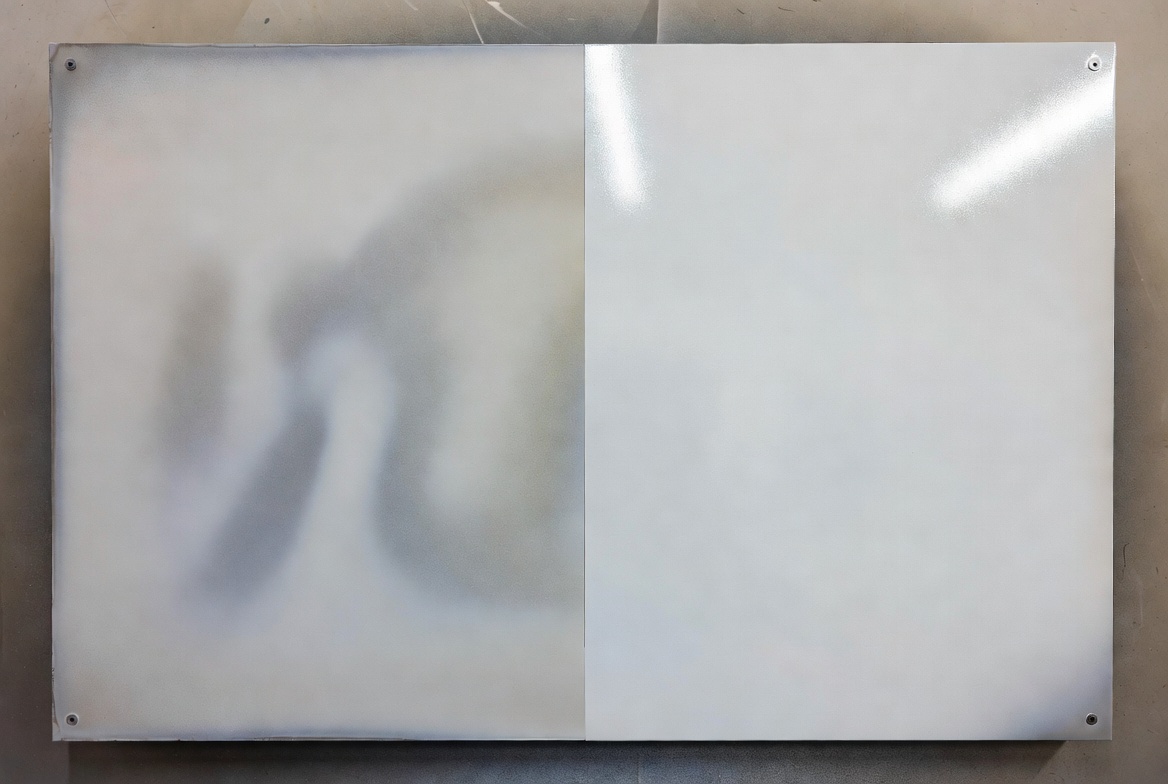
Powder coatings, by design, are solvent-free during application and generally emit very low levels of volatile compounds. This inherently supports cleaner production environments and reduced atmospheric emissions compared with many liquid paint systems. Anti-graffiti variants maintain these core benefits while adding specialized performance features related to cleaning and durability.
When doors must meet specific fire and smoke standards, particularly inside rail vehicles or enclosed station areas, coating choices become even more critical. Many systems formulated for transportation use consider these requirements during development, ensuring that doors do not compromise overall safety strategies. Evaluating such characteristics alongside graffiti resistance helps align technical performance with regulatory expectations.
Beyond the application stage, resource efficiency extends over years of service. Coatings that survive repeated cleaning and vandalism without frequent repainting reduce material consumption, energy use and waste associated with maintenance activities. By extending intervals between major restoration campaigns, anti-graffiti powder coatings can contribute to leaner lifecycle resource profiles for transit door systems.
Standard polyester coatings may require more regular touch-ups or full recoating when graffiti and harsh cleaning conditions persist. Even if their initial cost is lower, the cumulative materials and labor over long service periods can outweigh early savings. For networks with ambitious sustainability and resource management goals, this balance deserves close attention.
Before choosing a coating system, specifiers and operators should evaluate the typical graffiti risk for their lines and stations. Dense urban areas, environments near schools or nightlife zones, or historically problematic stops often experience higher vandalism rates. In such scenarios, the added resilience of anti-graffiti coatings can quickly pay off.
In contrast, routes with lower passenger flow and limited public access may see only occasional graffiti events. For those applications, standard polyester might remain a viable choice if maintenance teams can manage the occasional clean-up without pushing coatings beyond their limits. Matching protection level to risk profile avoids both over-engineering and under-protection.
Coating decisions also depend on maintenance philosophy and staffing. Systems with regular inspection and cleaning routines can take full advantage of easy-clean properties, preventing graffiti from becoming entrenched. Clear protocols, training and appropriate cleaning products are essential to unlock the full value of anti-graffiti coatings.
Where maintenance capacity is restricted, it becomes even more important that each cleaning intervention delivers strong results without harming the finish. The ability to remove graffiti quickly and restore doors to a uniform appearance with limited resources is a significant operational benefit.
At the manufacturing level, switching from standard polyester to anti-graffiti powder coatings does not require reinventing the coating line. Aluminum preparation, application and curing steps remain broadly similar. The main difference lies in the formulation and performance expectations rather than in fundamental process changes.
Consistent surface preparation, including cleaning and appropriate pretreatment, continues to be essential for adhesion and corrosion resistance. Film thickness must be controlled to achieve uniform properties, especially around edges, handle regions and high-wear zones. These factors are familiar to experienced powder coating plants and can be integrated into existing quality systems.
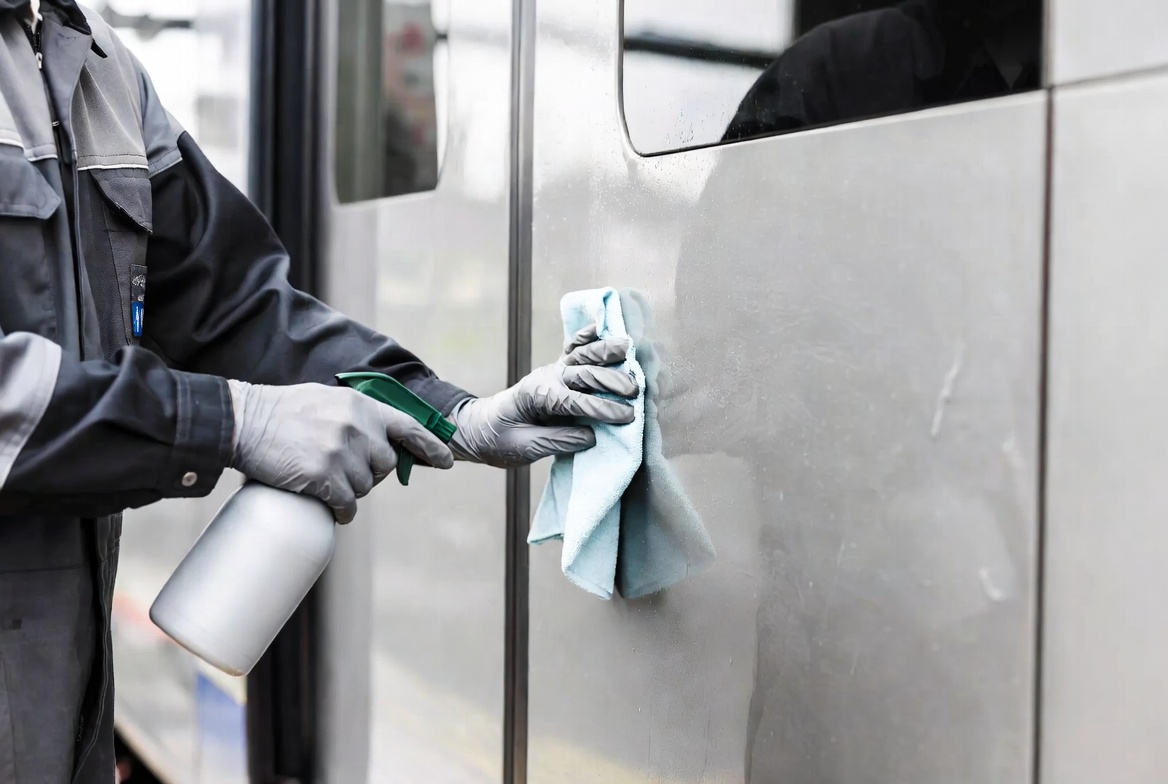
To maintain performance, maintenance crews require clearly defined cleaning protocols that outline which solvents, tools and techniques are suitable. Using inappropriate products or overly abrasive methods can compromise even a robust anti-graffiti coating. Documentation, training and feedback loops between manufacturers and operators help ensure that day-to-day practice aligns with the coating's design envelope.
When these elements are in place, aluminum doors finished with anti-graffiti powder coatings typically deliver more predictable results and smoother maintenance cycles than doors relying solely on standard polyester finishes in high-risk areas.
Standard polyester powder coatings still have a valid role in many transit-related projects, especially when risk levels and cleaning intensity remain moderate. They can be suitable for:
- Doors in low-vandalism routes or private access areas.
- Projects with limited budgets where graffiti is a rare event.
- Situations where architectural alignment with existing polyester-coated elements is a priority.
In these contexts, the balance between cost and performance may still favor standard polyester coatings, provided maintenance plans account for occasional graffiti incidents.
Anti-graffiti powder coatings provide clear advantages where doors are repeatedly exposed to vandalism and intense use. They are well aligned with:
- Urban metro and rail networks with documented graffiti problems.
- Bus systems operating in busy city centers and transport hubs.
- Critical entrances where passenger impression and visual control are central to network identity.
By supporting easier cleaning, longer intervals between major restorations and more consistent appearance, these coatings offer a more resilient strategy for public transit aluminum entry doors in demanding environments.
Choosing between anti-graffiti powder coatings and standard polyester for public transit aluminum entry doors is ultimately a question of risk management, lifecycle thinking and passenger experience. While standard polyester may suffice for certain low-risk installations, many busy networks benefit from the added protection, cleanability and visual stability that anti-graffiti systems provide.
For stakeholders responsible for door design, fabrication and maintenance, taking the time to evaluate operating conditions, graffiti patterns and resource constraints leads to more informed coating decisions. Aligning coating choice with actual field realities helps safeguard both the physical performance of aluminum entry doors and the perceived quality of the transit environment.
Q1: Why are aluminum entry doors in transit systems especially vulnerable to graffiti?
They are highly visible, easily accessible and represent a symbolic "canvas" for vandals, making them frequent targets compared with less prominent surfaces.
Q2: Can standard polyester coatings be upgraded later with an anti-graffiti clear topcoat?
Some easy-clean systems are designed as clear finishes over existing polyester bases, but performance depends on surface condition, adhesion and correct preparation.
Q3: Do anti-graffiti powder coatings limit the color range available to designers?
Modern systems can be formulated in multiple colors and gloss levels, although certain highly specialized finishes may have more limited palettes than generic polyester lines.
Q4: How often can doors coated with anti-graffiti powder be cleaned before performance declines?
Well-formulated systems are designed to withstand many cleaning cycles using recommended solvents without noticeable loss of gloss or color.
Q5: Is there a significant difference in application process between the two coating types?
The core application steps for aluminum, including surface preparation, spraying and curing, are similar; the main differences lie in formulation and end-use performance rather than process changes.
1. TIGER Coatings – "Surface Protection with Anti-Graffiti Powder Coating" – Overview of anti-graffiti powder technology and key transportation applications. https://www.tiger-coatings.com/about/tiger-blog/anti-graffiti-powder-coating
2. Sherwin-Williams – "Antigraffiti Powder Coatings" – Technical brochure covering graffiti resistance, cleaning cycles and transit-related performance. https://industrial.sherwin-williams.com/content/dam/pcg/sherwin-williams/general-industrial/emeai/es/es-es/pdfs/brochures/antigraffiti-powder-coatings.pdf
3. Pooshesh Fam – Formulations page – Descriptions of powder coating systems including anti-graffiti and super durable polyester for transportation and infrastructure. https://poosheshfam.com/en/fp/Formulations
4. SP&PC – "The 3 Powder coating types explained" – Discussion of standard polyester powder coatings as entry-level exterior finishes for doors and windows. https://sppcltd.co.uk/2021/07/the-3-powder-coating-types-explained/
5. Interpon – "Interpon EC™: Easy Clean 'Anti Graffiti' Powder Coating" – Brochure detailing easy-clean powder coatings and their suitability for public furniture and transit installations. https://www.hitechlockers.com/wp-content/uploads/2019/01/AU-EASYCLEAN-BROCHURE.pdf
6. IFS Coatings – "The Architect's Guide to Powder Coatings" – Commentary on the performance of polyester powder coatings in architectural environments. https://ifscoatings.com/wp-content/uploads/2024/07/Architects-Guide-To-Powder-Coatings-2024.pdf
7. TIGER Coatings – "Powder Coating for Transportation" – Overview of transportation-focused powder coating properties, including durability and cleanability for rail and bus components. https://www.tiger-coatings.com/powder-coatings/applications/transportation


