Language


Views: 222 Author: Yinda Powder Coating Publish Time: 2026-06-04 Origin: Site


Content Menu
● Why Corrosion Protection Still Fails in Real Projects
● How Powder Coating Primers Protect Metal
● Primer Types and Corrosivity Classes (C3–C5)
>> Common Powder Primer Chemistries
>> Matching Primers to Corrosivity Levels
● Where Powder Primers Add the Most Value
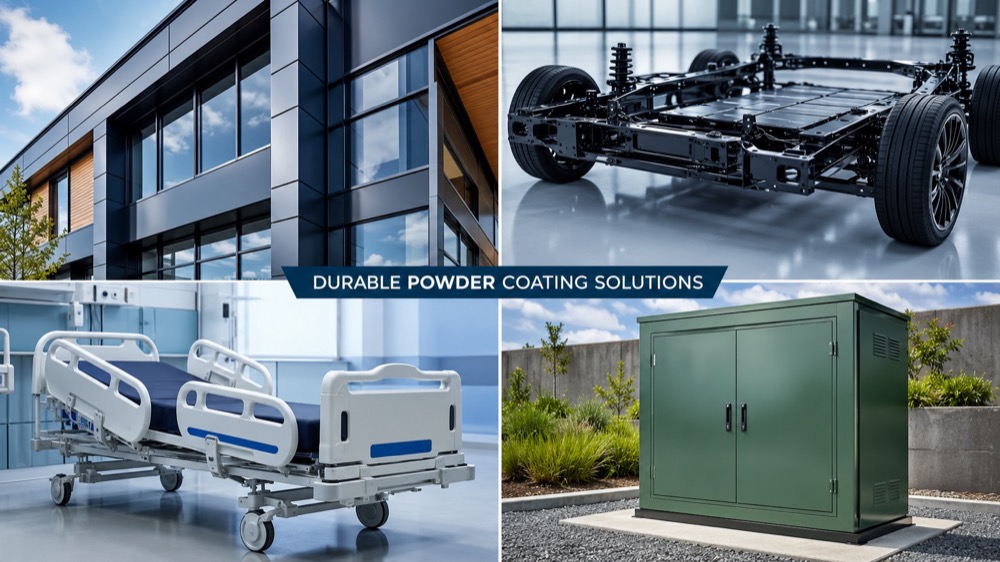
>> Architectural Aluminum and Building Profiles
>> EV, Automotive, and Transportation Components
>> Medical Devices and Clean Environments
>> Outdoor Furniture, Hardware, and Electrical Enclosures
● The Role of Pretreatment in Corrosion Performance
● Latest Trends in Powder Coating and Primer Technology
● Designing a Two‑Layer Powder System – A Practical Framework
>> Step‑by‑Step Approach for Engineers and Buyers
● Industry Case Insight – Real‑Time Optimization of Powder Coating Plants
● Practical Checklist for OEMs and Fabricators
● Why Partnering with a Specialist Powder Coating Supplier Matters
● Call to Action – Build Your Next‑Generation Corrosion Protection System
● FAQs on Powder Coating Primers and Corrosion Protection
As a coatings specialist working with OEMs across Asia and the Middle East, I've seen how the right primer system can literally double the lifespan of steel and aluminum components exposed to coastal air, industrial fumes, or aggressive cleaning cycles. When manufacturers rely on a single topcoat layer, sharp edges, welds, and cut‑outs often become the weak points where corrosion starts, leading to premature failures, warranty claims, and brand damage. By adding a dedicated powder coating primer under a durable topcoat, you build a two‑layer protection system that resists moisture, oxygen, and chemical attack far more effectively than conventional liquid paints. [indoent]
From architectural profiles in Singapore's humid climate to EV battery housings in coastal Indonesia and medical equipment in Saudi Arabia's hospitals, the combination of optimized pretreatment, primer, and topcoat is becoming the new baseline for serious corrosion performance. In this article, I will walk through how powder coating primers work, where they add the most value, and how manufacturers can design a corrosion protection system that is both technically robust and commercially sensible. [linkedin]

Even with modern powders, many metal products still corrode earlier than expected because the protection system is incomplete or poorly matched to the environment. [hipc.co]
Typical failure causes include: [rapidcoat]
- Insufficient pretreatment or poor cleaning before coating
- Relying on one‑coat powder systems in high‑corrosivity areas
- Under‑film corrosion starting at sharp edges and corners
- Incorrect film thickness or uneven coverage
- Using the wrong resin system for UV or chemical exposure
In steel applications, a single powder topcoat often leaves edges and cut areas with reduced film build, which means less barrier against water and ions. Once water penetrates through micro‑defects or damaged areas, corrosion can spread underneath the coating, leading to blistering, rust spots, and eventually loss of adhesion. [tiger-coatings]
For manufacturers supplying infrastructure projects or export markets under strict durability specifications, these failures are no longer acceptable. A structured use of powder primers, aligned with standards like ISO 12944 corrosivity categories (C3–C5), is now expected by many international buyers. [tiger-coatings]
Powder coating primers work primarily as barrier coatings and, in the case of zinc‑rich epoxies, as sacrificial layers that preferentially corrode instead of the steel substrate. [rapidcoat]
Key protection mechanisms include: [hipc.co]
- Barrier effect – Reducing permeability to oxygen, ions, and moisture
- Improved adhesion – Creating a better anchor for the topcoat on pretreated metal
- Edge coverage – Increasing film build on critical geometries
- Corrosion inhibition – Using epoxy or functional pigments to slow corrosion reactions
- System synergy – Working together with pretreatment and topcoat to form a multilayer defense
Modern powder primers are tailored for specific substrates such as steel, galvanized steel, and aluminum, and are tuned to meet particular corrosivity classes up to demanding C5 environments. When correctly chosen and applied, they significantly delay the onset of rust, even in coastal, industrial, or high‑humidity climates like Southeast Asia. [hipc.co]
Industry practice often refers to ISO 12944‑2 corrosivity categories when selecting a primer–topcoat system. Leading suppliers offer differentiated primer chemistries to match these classes. [rapidcoat]
- Epoxy‑based primers
Used where maximum corrosion resistance is critical (e.g., up to C5‑H), especially on steel structures and heavily exposed components. They provide excellent barrier properties and chemical resistance but typically require a UV‑resistant topcoat. [tiger-coatings]
- Epoxy‑polyester hybrids
Designed for applications up to around C4 where a balance between corrosion protection and flow/appearance is required. These systems are popular for general industrial equipment, enclosures, and machinery. [tiger-coatings]
- Polyester‑based primers
Engineered for exterior applications that demand good corrosion resistance and UV stability, particularly when combined with high‑durability polyester topcoats. They can be used up to C5 in the right system and pretreatment conditions. [tiger-coatings]
- Zinc‑rich epoxy primers
These primers use zinc‑rich epoxy technology to provide strong sacrificial protection on steel. They are especially effective when chemical pretreatment is difficult, such as on large shot‑blasted structures, offering enhanced rust resistance even if minor surface damage occurs. [rapidcoat]
A typical mapping might look like this, depending on substrate and pretreatment: [rapidcoat]
| Corrosivity category | Typical environments | Suitable powder primer types |
|---|---|---|
| C3 | Urban, moderate pollution, indoor industrial areas | Epoxy‑polyester hybrid, polyester primer |
| C4 | Chemical plants, coastal industrial, swimming pools | Epoxy‑polyester hybrid, epoxy primer |
| C5‑I / C5‑M | Offshore, heavy industrial, marine, high humidity and pollution | Epoxy or zinc‑rich epoxy primer with robust system |
This structured approach helps engineers, specifiers, and buyers align their coating systems with expected service conditions instead of working on guesswork. [tiger-coatings]
Powder coating primers are not necessary for every project, but they deliver outsize ROI in high‑risk or high‑value applications. [linkedin]
Architectural facades, window and door profiles, and curtain wall systems must withstand UV exposure, pollution, and coastal salt spray. While aluminum is more corrosion resistant than steel, filiform corrosion can still develop under coatings if pretreatment and priming are inadequate. [ulprospector]
Using a dedicated primer layer helps: [hipc.co]
- Improve adhesion on complex profile geometries
- Enhance edge coverage on cut and machined sections
- Extend color and gloss retention when paired with premium polyester topcoats
For manufacturers exporting to regions with stringent façade warranties, a carefully documented primer–topcoat system is quickly becoming a competitive necessity. [ulprospector]
The latest powder coating innovations in automotive and EV sectors focus on multi‑layer systems to deliver superior scratch resistance, UV performance, and corrosion protection. Components like chassis parts, battery enclosures, brackets, and body accessories face stone‑chips, de‑icing salts, and thermal cycling. [linkedin]
In these cases, a corrosion‑resistant primer ensures that even when the topcoat is mechanically damaged, the substrate maintains a barrier against fast rust propagation. Low‑temperature curing and advanced primers also help OEMs reduce cycle times and energy consumption while maintaining performance. [pcimag]
Hospitals and clinics increasingly rely on antimicrobial and chemically resistant powder coatings on beds, instruments, and devices. Aggressive cleaning agents and frequent disinfection cycles can attack coatings and substrates over time. [linkedin]
A robust primer system under an antimicrobial topcoat improves long‑term resistance to: [linkedin]
- Corrosive disinfectants and cleaning chemicals
- Humidity and condensation in controlled environments
- Mechanical wear around joints, hinges, and bed rails
This combination supports both hygiene and asset longevity, helping operators reduce maintenance costs. [linkedin]
Powder‑coated outdoor furniture, fences, HVAC housings, and switchgear enclosures face continuous UV, rain, and sometimes sea air. Not all powder systems are equal; without proper pretreatment and priming, color fading and rust can develop quickly. [ulprospector]
Industrial coaters report that integrating a primer layer and controlled pretreatment significantly increases the lifespan and corrosion resistance of powder‑coated metals in wet climates. This has become a selling point for premium outdoor furniture and robust MEP hardware. [ulprospector]
No primer can compensate for poor surface preparation. Experienced coaters treat pretreatment as a critical process step, not a checkbox. [hipc.co]
Common best practices include: [hipc.co]
- Thorough degreasing and cleaning to remove oils and contaminants
- Conversion coatings or other chemical pretreatments to form a corrosion‑resistant barrier
- Rinse quality control to avoid contamination and staining
- Drying conditions tuned to avoid flash rust and moisture traps
For aluminum, immersion in lab‑tested pretreatment chemicals helps convert the surface into a corrosion‑resistant, non‑metallic barrier layer. For steel, when chemical pretreatment is difficult, zinc primer can act as an alternative solution, especially on shot‑blasted surfaces. [rapidcoat]
Humidity control inside the powder coating plant is also crucial because powder materials are hygroscopic and can absorb moisture, leading to poor adhesion and higher corrosion risk if not managed correctly. [hipc.co]
Powder coating technology continues to evolve, driven by performance, sustainability, and energy‑saving demands. [pcimag]
Key trends include: [pcimag]
- Nanotechnology integration in powders to enhance barrier properties and scratch resistance
- Low‑temperature curing systems that cut oven energy consumption and allow coating of heat‑sensitive substrates
- Antimicrobial and anti‑fingerprint finishes for appliances and medical devices
- Self‑cleaning and UV‑stable architectural coatings that maintain aesthetic quality longer
- Increased adoption of multi‑layer systems (primer + functional or decorative topcoat) across industries
For manufacturers like Yinda Technology, with R&D and production bases in China, Indonesia, and Saudi Arabia, these trends create opportunities to tailor regional solutions—such as UV‑stable primers for Middle East facades or anti‑fingerprint systems for Southeast Asian appliances. [tiger-coatings]
From a manufacturing and engineering perspective, designing an effective corrosion protection system means balancing performance, process complexity, and cost. [rapidcoat]
1. Define the environment and lifespan
Map the application to an ISO 12944 corrosivity category (C3, C4, C5‑I, C5‑M) and define the expected service life (e.g., 10, 15, 25 years). [tiger-coatings]
2. Specify the substrate and fabrication details
Identify whether the part is steel, hot‑dip galvanized steel, or aluminum and document critical geometries like edges, welds, and hollow sections where corrosion often starts. [hipc.co]
3. Choose the pretreatment route
Decide on chemical pretreatment, blasting, or a combination, based on available equipment and regulatory constraints. [tiger-coatings]
4. Select an appropriate primer system
Align primer chemistry (epoxy, epoxy‑polyester, polyester, zinc‑rich) with the corrosivity class and pretreatment approach. [rapidcoat]
5. Match topcoat to aesthetics and exposure
Use UV‑resistant polyester or fluoropolymer topcoats for exterior applications, and specialized functional coats for antimicrobial or anti‑fingerprint needs. [ulprospector]
6. Define film thicknesses and edge protection
Set minimum total film build and ensure process controls to achieve consistent coverage, especially on sharp edges and corners. [hipc.co]
7. Validate through testing
Conduct salt spray or cyclic corrosion tests, cross‑hatch adhesion tests, and real‑world exposure trials to confirm performance before scaling up. [rapidcoat]
Manufacturers who follow this framework typically see fewer field complaints, lower rework rates, and stronger acceptance by global OEMs and project specifiers. [linkedin]
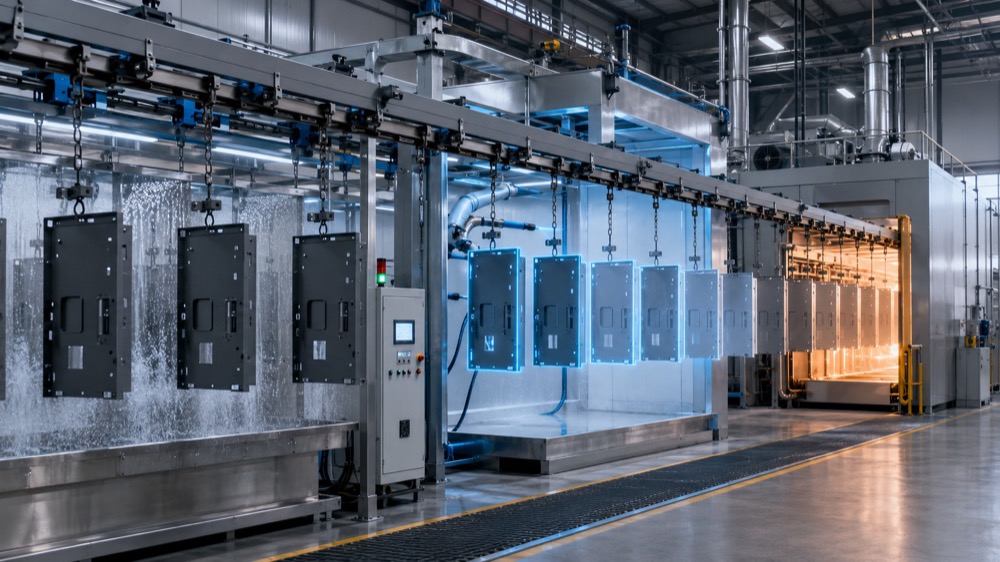
Industrial powder coaters that serve demanding markets have started integrating real‑time monitoring and Industry 4.0 tools into their lines. By tracking oven temperature profiles, conveyor speeds, and energy use, they identify waste and optimize curing and film build more precisely. [toolsforsmartminds]
One documented case shows how a leading industrial powder coating company used data from a monitoring system to reduce waste and improve coating quality, resulting in higher profitability and process stability. When combined with robust primer systems and controlled pretreatment, this type of process intelligence helps ensure that the corrosion performance specified on paper is actually delivered on every batch. [toolsforsmartminds]
For engineers, procurement teams, and coating partners, the following quick checklist can help drive better corrosion outcomes with powder coating primers:
- Confirm the corrosivity class (C3–C5) of your target environment. [tiger-coatings]
- Verify that pretreatment processes are validated and regularly tested. [hipc.co]
- Require documentation on primer chemistry and performance ratings. [rapidcoat]
- Ensure total film thickness and edge coverage are specified and measured. [tiger-coatings]
- Ask for real‑world references and test data, especially for critical applications. [toolsforsmartminds]
- Evaluate energy‑efficient and low‑temperature curing systems where applicable. [pcimag]
By treating corrosion protection as a system rather than a single product decision, manufacturers can reduce lifecycle cost and enhance end‑user confidence. [linkedin]
The fastest way to unlock the full potential of powder coating primers is to collaborate with a specialized supplier that understands both formulation and real‑world application. Yinda Technology, for example, has built its presence in the powder coating market with a focus on the aluminum processing industry and now operates production bases in China and Indonesia, serving a wide range of metal applications. [indoent]
Working with partners who combine R&D capability, modern equipment, and technical support helps ensure that your primer–topcoat system is not only compliant on paper but also optimized for your specific substrate mix, production line, and target markets. This becomes especially important when scaling to multiple regions with different climatic and regulatory requirements. [tiger-coatings]
If your building profiles, doors and windows, EV components, medical equipment, hardware, or electrical products are facing aggressive environments, now is the right time to reassess whether a primer‑less coating system is still adequate. By upgrading to a well‑designed primer + topcoat system, specified to the correct corrosivity class and implemented with disciplined pretreatment, you can significantly extend product life, reduce warranty risk, and strengthen your brand reputation. [linkedin]
For manufacturers and coaters looking to implement or upgrade primer‑based powder systems across China, Indonesia, and Saudi Arabia, engaging early with a technical team that can recommend resin systems, pretreatment routes, and test protocols is critical. Reach out to your powder coating partner to review your current coating stack, identify gaps, and co‑develop a corrosion protection solution tailored to your production lines and target markets. [indoent]
Q1: Do I always need a powder coating primer for corrosion protection?
A primer is not always mandatory, but it becomes highly recommended in C3–C5 environments, on steel substrates, and wherever sharp edges, cut‑outs, or welds are present. In mild indoor applications, a single topcoat may be sufficient if pretreatment and film build are well controlled. [hipc.co]
Q2: What is the main difference between epoxy and polyester primers?
Epoxy primers typically offer stronger corrosion and chemical resistance and are common for high‑corrosivity categories like C5, while polyester primers provide better UV stability and are favored for exterior applications when combined with suitable topcoats. Many systems also use epoxy‑polyester hybrids to balance flow, appearance, and protection. [tiger-coatings]
Q3: Can zinc‑rich powder primers replace chemical pretreatment?
Zinc‑rich epoxy primers can reduce or partially replace pretreatment in some cases, especially on shot‑blasted steel, by providing sacrificial corrosion protection. However, best practice still combines surface cleanliness with appropriate primer selection for maximum durability. [rapidcoat]
Q4: How does humidity affect powder coating and corrosion?
Because powder coating materials are hygroscopic, high humidity during coating can cause poor adhesion, pinholes, and greater risk of under‑film corrosion. Controlling humidity levels and ensuring proper drying before curing is therefore essential for long‑term performance. [hipc.co]
Q5: How can I verify that my primer–topcoat system will meet project requirements?
You should request documented test data, such as salt spray or cyclic corrosion test results, and consider running your own qualification trials that replicate the target environment. Collaborating with your coating supplier and applicator on specification, process control, and testing will greatly reduce the risk of unexpected failures. [toolsforsmartminds]
1. TIGER Coatings – "Effective Corrosion Protection with Powder Coatings and Primers." Available at: [https://www.tiger-coatings.com/about/tiger-blog/effective-corrosion-protection-with-powder-coatings-and-primers] [tiger-coatings]
2. LinkedIn – "Unlocking the Future of Powder Coating: Innovation Across Industries." Available at: [https://www.linkedin.com/pulse/3-unlocking-future-powder-coating-innovation-across-industries-thao-v04lc] [linkedin]
3. IndoENT – "Yinda Technology Powder Coating Enterprise Invests in Indonesia." Available at: [https://www.indoent.com/en/4165.html] [indoent]
4. Rapid Coat – "Zinc Primer Anti Corrosion (Rust Protective) Powder Coating." Available at: [https://www.rapidcoat.com/products/thermosetting/zinc-primer-anti-corrosion-rust-protective-powder-coating] [rapidcoat]
5. HIPC – "Powder Coating and Corrosion Resistance – Is Powder Coating Resilient to New Zealand's Wet Weather?" Available at: [https://www.hipc.co.nz/blog/post/99842/power-coating-and-corrosion-resistance-is-powder-coating-resilient-to-new-zealands-wet-weather] [hipc.co]
6. UL Prospector – "Latest Trends in Powder Coating Technology." Available at: [https://www.ulprospector.com/knowledge/18349/pc-latest-trends-in-powder-coating-technology] [ulprospector]
7. PCI Magazine – "The Powder Coatings Industry in 2024." Available at: [https://www.pcimag.com/articles/112177-the-powder-coatings-industry-in-2024] [pcimag]
8. Tools for Smart Minds – "Real-Time Monitoring of a Powder Coating Plant (Case Study – VERINCOLOR)." Available at: [https://www.toolsforsmartminds.com/en/case-studies/185-real-time-monitoring-of-a-powder-coating-plant] [toolsforsmartminds]
9. TIGER Coatings China – Company profile and surface technology solutions. Available at: [https://www.tiger-coatings.cn] [tiger-coatings]
Hot Tags: powder metallic, fbe epoxy, fusion bond coating, gloss coating, powder coating aluminum patio furniture, coating primer, ceramic coating for automotive paint, fast paint, coating corrosion protection, wholesale, custom, manufacturers, suppliers, factory, sampling, trial, prototype


