Language


Views: 277 Author: Yinda Powder Coating Publish Time: 2026-09-30 Origin: Site


Content Menu
● Why Painting Over Powder Coat Requires Extra Preparation
● When Should You Paint, Repair, or Recoat?
>> A Practical Decision Example
● How to Check Whether the Existing Coating Is Sound
● How to Paint Over Powder Coat: Seven Steps
● Which Paint Works Best Over Powder Coat?
● Special Considerations for Aluminum Windows and Doors
● How to Validate a Repair Before Full Application
● When Is Full Powder Recoating the Better Choice?
● Plan the Finish Around the Part
>> Can you paint over powder coat without removing it?
>> Do you need to sand powder coating before painting?
>> What primer should you use on powder-coated metal?
>> Can you spray paint over powder-coated aluminum?
>> Can you paint over a peeling powder coat?
>> Will paint over powder coat last as long as a new powder coating?
>> Can you apply new powder coating over old powder coating?
Yes, you can paint over powder coat—but only when the existing finish is firmly attached and the new coating system is compatible with it. The difficult part is not putting paint on a powder-coated surface. It is getting that paint to stay in place through handling, cleaning, weather, and everyday use. This guide explains how to assess the old finish, prepare it, choose a primer and topcoat, and decide when stripping and recoating is the safer investment.

A cured powder coating provides a continuous, durable finish. That is useful in service, but its smooth surface can make it difficult for another coating to grip. Dirt, oil, weathering residue, and insufficient sanding increase the risk of poor adhesion.
There is also a second bond to consider: the bond between the *original powder coat and the metal underneath*. New paint cannot rescue a coating that is already lifting from its substrate. If the underlying layer fails, the fresh paint will come away with it.
For a purchasing team or maintenance contractor, this changes the starting question. Do not begin with "Which paint should we buy?" Begin with "Is the existing coating a sound foundation?" A small color change on an intact panel is a different project from refinishing a corroded window frame or a heavily used metal enclosure.
Overpainting is most suitable for a sound coating with a cosmetic problem. Local damage, widespread peeling, and corrosion call for different responses. Use the table as an initial decision guide, not as a substitute for inspecting the actual part.
| Surface condition | Recommended starting approach | Main concern |
|---|---|---|
| Intact, well-adhered coating; color change needed | Clean, abrade, test compatibility, then paint | New paint-to-powder adhesion |
| Small scratch; no widespread lifting | Prepare and repair the local area | Color, gloss, and texture match |
| Small area of exposed metal | Remove corrosion, prepare the metal, and use an appropriate spot primer | Protection at the damaged edge |
| Peeling, blistering, or extensive underfilm corrosion | Remove failing coating and assess full refinishing | Unreliable underlying adhesion |
| High-wear or tightly specified component | Agree on a validated repair or recoating process | Performance and approval requirements |
A touch-up is not the same as a factory-applied powder finish. Even a close color match can look different because gloss, surface texture, application method, and weathering history differ. On a prominent architectural component, prepare a sample in the actual lighting conditions before approving a large repair.
Imagine a batch of powder-coated aluminum window profiles in the wrong color. If the coating is intact, correctly bonded, and suitable for the proposed paint system, overpainting may avoid stripping otherwise usable material. Now imagine profiles with lifting around cut edges and corrosion beneath the coating. Painting the visible face alone would leave the cause of failure in place.
The difference is substrate condition, not simply project size. The same reasoning applies to doors, appliance panels, hardware, and equipment housings.
Inspect the entire area that will receive paint, including corners, fastener holes, welds, and edges. These locations can reveal damage that is easy to miss on a broad, flat face.
Look for:
- Flaking, blistering, cracks, or edges that lift when gently probed.
- Rust on steel or signs of corrosion beneath a damaged aluminum finish.
- Grease, sealant residue, chalking, or contamination that cleaning may not remove.
- Previous touch-ups whose composition and adhesion are unknown.
- Scratches deep enough to expose bare metal.
If the coating is questionable, arrange a properly specified adhesion assessment on a representative sample or inconspicuous area. ASTM D3359 and ISO 2409 describe cut-and-tape or cross-cut approaches, but they have scope and interpretation limits. Their results help assess resistance to separation; they do not provide an absolute bond-strength measurement. The chosen method must suit the coating thickness and surface.
Do not treat one successful tape pull as proof that a finish will survive years outdoors. Check the original coating, the proposed primer, and the complete system against the project's acceptance requirements. For critical parts, agree on the test method and pass criteria *before* production begins.
The process below is a practical framework for liquid paint over an existing powder-coated finish. Always follow the selected products' technical data sheets for surface preparation, application conditions, film build, drying, and curing. There is no universal sanding grade, primer, or wait time for every combination.
1. Confirm the substrate and use. Identify whether the part is aluminum, steel, galvanized steel, or another material. Record whether it will face sun, moisture, frequent handling, chemicals, or repeated cleaning. These details affect both the repair method and paint choice.
2. Remove contamination. Wash off ordinary dirt with a suitable cleaner, rinse where required, and let the surface dry. Remove oil or grease with a cleaner approved for the existing coating. Test unfamiliar solvents in a small area first; aggressive cleaning can damage a sound finish.
3. Remove loose coating and corrosion. Do not bridge peeling edges with new paint. Take damaged areas back to a sound boundary, address corrosion on the exposed metal, and feather the transition so it will not show as a sharp ridge beneath the topcoat.
4. Abrade the intact powder coat. Scuff the surface evenly until the gloss is reduced and the intended area has a consistent profile. As an example—not a universal specification—one published repainting guide suggests approximately 180–220-grit paper for a sound, glossy surface. A selected coating system may call for a different abrasive or preparation standard.
5. Clean again and protect adjacent areas. Remove sanding dust and any remaining residue. Mask glazing, gaskets, labels, threads, electrical contacts, and finished surfaces that must not be painted. Make sure the prepared area stays clean before priming.
6. Prime where the system requires it. Choose a primer demonstrated to work with the prepared powder coating and proposed topcoat. Treat bare aluminum, steel, or galvanized areas according to their own substrate requirements; a primer that works on an intact coating is not automatically suitable for every exposed metal. Some approved systems allow direct application without an overall primer, so check the actual product instructions rather than assuming one is always necessary.
7. Apply and inspect the topcoat. Use the specified application method and observe the stated recoat and full-cure intervals. Inspect coverage at edges and repaired areas. Test a sample before committing to a complete production run or highly visible installation.
Preparation should be approved as a system, not as isolated steps. For example, changing a primer after a successful sample test changes the system you validated. Repeat the compatibility check if a material, surface condition, or application method changes.
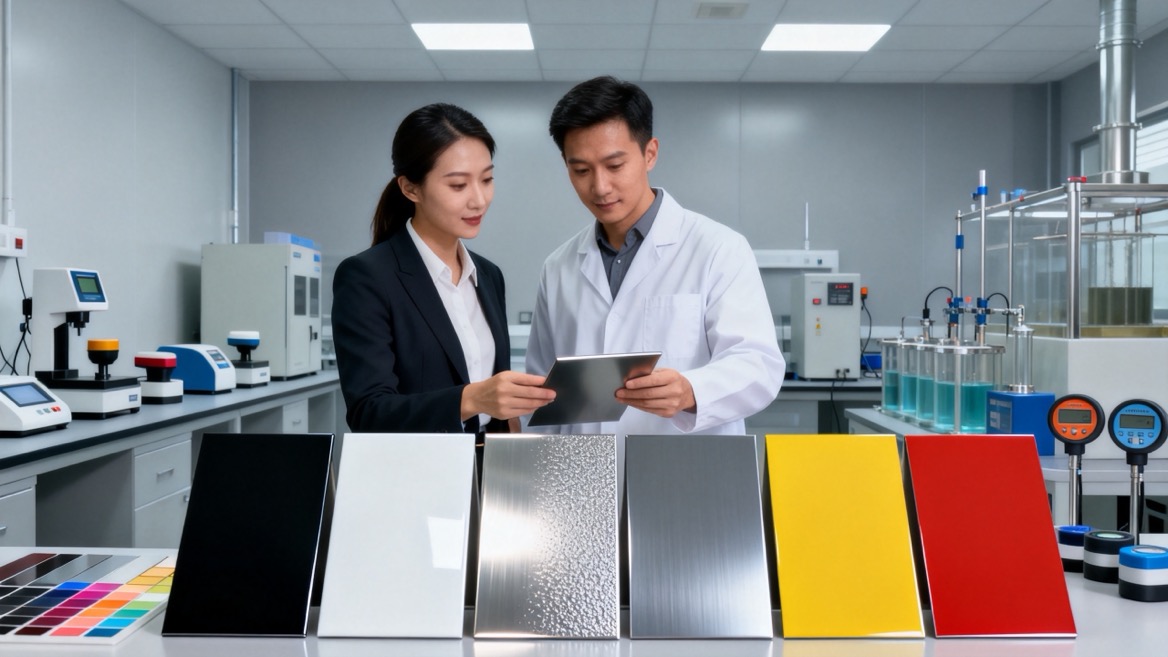
There is no single "best paint" for every powder-coated part. Choose a compatible coating system based on the existing finish, exposure, required appearance, and the topcoat manufacturer's written instructions.
| Project requirement | System to discuss with the paint supplier | What to verify |
|---|---|---|
| Interior cosmetic color change | Suitable adhesion primer and decorative topcoat, or an approved direct-to-surface product | Adhesion and appearance on a sample |
| Outdoor architectural metalwork | Exterior-rated primer and topcoat system suited to the substrate | Weather exposure, maintenance, and warranty |
| Frequent handling or cleaning | A specified industrial coating system | Chemical and abrasion requirements |
| Exposed metal within a repair | Substrate-appropriate spot primer plus compatible finish | Corrosion protection and edge coverage |
| Production-scale refinishing | Validated liquid-paint process or full powder recoating | Repeatability and acceptance tests |
Epoxy and polyurethane products are possible components of industrial systems, but neither name alone guarantees adhesion to an unknown powder coat. A manufacturer's technical data sheet for one powder primer, for instance, specifies a particular polyurethane liquid topcoat and a particular sanding procedure. That instruction belongs to that product, not to every existing powder-coated item.
Similarly, do not reject every water-based paint—or accept every solvent-based paint—based only on its carrier. The decisive issue is whether the *complete, tested system* suits the prepared surface and service conditions.
Powder-coated aluminum profiles deserve particular care because much of their long-term performance depends on the original metal preparation beneath the finish. If corrosion or coating lift is already present, a surface repaint may conceal the problem without resolving it.
Inspect glazing edges, drainage paths, joints, and exposed cuts before choosing a repair. Do not block drainage openings or paint over seals without checking compatibility. If the project is under a coating or installer warranty, obtain the original applicator's guidance before sanding or applying another finish.
For an installed facade or window system, on-site liquid painting may be more practical than removing every profile. That convenience does not remove the need for cleaning, a representative trial area, and agreement on the expected color and gloss. In coastal or other demanding environments, ask for a maintenance and repair plan suited to the exposure rather than assuming an ordinary cosmetic touch-up will provide the required protection.
A sample panel or discreet trial area is one of the most valuable steps in a commercial repainting project. It lets the team find problems while the cost of changing course is still small.
Document the starting condition and the full proposed process: cleaner, abrasive, primer, topcoat, application method, and cure schedule. After the coating has cured as directed, inspect its appearance and evaluate adhesion using an agreed method appropriate to the film. For a multi-layer system, note *which interface* failed if any material separates.
Where relevant, also check color and gloss against the approved sample, coverage around edges, and resistance to the intended cleaning routine. A passing adhesion check does not by itself establish corrosion protection or long-term weathering performance. Those requirements need their own agreed evidence and acceptance criteria.
This approach is especially useful when parts will be repeated across many doors, profiles, housings, or production batches. One controlled trial is more informative than discovering inconsistent results after every item has been painted.
Consider stripping and recoating when the existing finish is failing over a large area, corrosion extends beneath it, or the part requires a controlled factory finish. Recoating may also be preferable when appearance consistency across many components matters more than the convenience of on-site painting.
Before selecting a route, compare the total project cost, not just the price of paint. Include removal and transport, disassembly, surface preparation, masking, downtime, inspection, and possible rework. A small, sound area may justify liquid repair. A large batch with widespread coating failure may justify a more comprehensive process.
Do not assume that applying fresh powder directly over old powder will solve a failure. The remaining coating must be suitable for the intended process, and the full system must be assessed for preparation, adhesion, heat exposure, and final performance.
The answer to "Can you paint over powder coat?" is yes, if the existing coating is sound and the new system is prepared and validated for it. When the old finish is failing, protecting the part may require removing damaged material and rebuilding the coating system instead.
Yinda Technology develops and manufactures powder coatings for applications including architectural profiles, doors and windows, new-energy vehicles, medical equipment, hardware, and appliances. If you are deciding between a local repair, a liquid overcoat, and factory recoating, contact Yinda Technology with the substrate, current coating condition, operating environment, appearance target, and project volume. Those details provide a useful starting point for discussing an appropriate coating strategy.
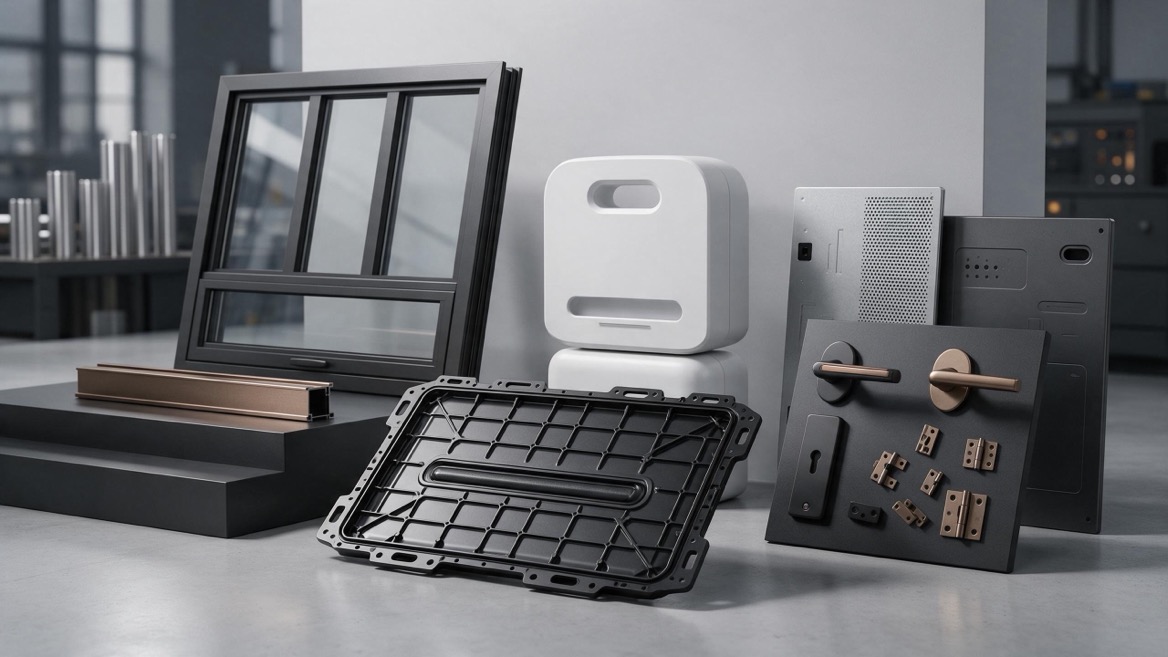
Yes, if the existing coating is firmly attached and the proposed paint system is compatible. Clean it, abrade it as required, and test the complete system. Remove loose or failing areas rather than painting across them.
Usually, abrasion helps prepare a smooth finish for an overcoat. The correct abrasive and degree of sanding depend on the existing coating and the new product's instructions. The goal on a sound area is normally to create a consistent prepared surface, not to expose all the metal.
Use a primer whose manufacturer supports its use on the prepared coating and with the intended topcoat. Exposed metal may need a different spot primer. Verify the proposed combination on a representative sample.
Spray application is possible, but the result depends on cleaning, surface preparation, product compatibility, and control of overspray. For aluminum windows or doors, check corrosion, seals, drainage openings, and warranty conditions first.
Do not paint directly over a peeling area. Remove material that is no longer firmly attached and investigate the cause. If failure is extensive or corrosion is present beneath the coating, full refinishing may be more reliable.
There is no universal lifespan comparison. Durability depends on the original coating, preparation, paint system, application, and service environment. Specify the performance you need and validate the proposed system rather than relying on a generic lifespan claim.
It may be possible in a qualified process, but it is not an automatic substitute for stripping. The original finish, preparation, curing conditions, and adhesion of the finished system must all be assessed.
The following sources support the preparation, repair, product-compatibility, and testing guidance above. They do not represent test results for Yinda Technology products.
1. Precision Coating Technology & Manufacturing, "[Can You Paint Over Powder Coat?]" — source article used as the restructuring baseline. [precisioncoatingtech]
2. Rawlins Paints, "[Painting Powder Coated Metal: The Ultimate Guide]" — surface-preparation guidance and publicly posted reader questions about practical repair scenarios. [rawlinspaints]
3. QUALICOAT UK & Ireland, "[Specifying & Maintaining Architectural Powder Coatings]" — aluminum pretreatment, maintenance, damage repair, and exposure considerations. [qualicoatuki]
4. AkzoNobel Powder Coatings, "[Interpon Redox Active EL555K: Product Data Sheet]" — an example of product-specific liquid-overcoat and damage-repair instructions; not a universal specification. [powdercoatings.brand.akzonobel]
5. ISO, "[ISO 2409:2020 — Paints and Varnishes: Cross-Cut Test]" — test purpose, interpretation, and scope limits. [iso]
6. ASTM International, "[ASTM D3359-23 — Standard Test Methods for Rating Adhesion by Tape Test]" — method selection and limitations for coating adhesion assessment. [astm]
7. Vanda Coatings, "[Painting over Powder Coated Aluminium]" — on-site aluminum repainting and preparation considerations. [vandacoatings.co]


