Language


Views: 232 Author: Yinda Powder Coating Publish Time: 2026-06-23 Origin: Site


Content Menu
● Introduction: Why Global Alignment Matters in Automotive Coatings
● What "Global Alignment" Really Means in the Automotive Context
● Why OEMs Are Raising the Bar on Coating Consistency
● Lessons from a Reference Case: Global Automotive Powder Series
● Yinda Technology: A Global Partner for Automotive Powder Coatings
● How Global Alignment in Coatings Drives Business Value
>> 1. Faster Platform Launches and Localizations
>> 2. Lower Total Cost of Quality
>> 3. Stronger ESG and Sustainability Performance
● Sustainability and Regulatory Alignment in Automotive Coatings
● Regional Insight: Why China, Southeast Asia, and the Middle East Matter
● Practical Steps to Achieve Global Alignment with Yinda Technology
>> Step 1: Define a Global Coating Specification Set
>> Step 2: Select Globally Scalable Powder Systems
>> Step 3: Pilot and Benchmark Across Multiple Plants
>> Step 4: Standardize Training and Documentation
>> Step 5: Monitor, Improve, and Report
● How Yinda Supports EV and New Energy Vehicle Programs
● Choosing the Right Coatings Partner for Global Alignment
● Call to Action: Align Your Global Coating Strategy with Yinda
● FAQ: Global Alignment and Automotive Powder Coatings
In today's automotive industry, global alignment in coatings is no longer optional; it is a strategic requirement for OEMs and Tier‑1 suppliers who operate across multiple continents and platforms. When a vehicle platform is assembled in China, painted in Indonesia, and exported to Europe or the Middle East, the coating system must perform consistently under different climates, regulations, and manufacturing realities. [morganlewis]
As a powder coatings manufacturer with R&D, production, and subsidiaries in China, Indonesia, and Saudi Arabia, Yinda Technology has seen first‑hand how misalignment between regions can increase cost, quality risks, and time‑to‑market for automotive and EV programs. Drawing on more than a decade of global manufacturing experience and a senior technical team with over 20 years in powder coatings, we help OEMs and component suppliers achieve consistent coating performance across markets while meeting rising sustainability and regulatory expectations. [canpaint]

In the context of automotive coatings, global alignment is the ability to design, qualify, and apply the same (or equivalent) coating system across multiple regions while maintaining the same visual appearance, durability, and regulatory compliance. [tiger-coatings]
From an automotive coatings specialist's perspective, this alignment includes:
- Technical alignment: Harmonized coating specifications, performance tests, and validation protocols for different plants and suppliers. [basf]
- Regulatory alignment: Coatings that meet VOC, REACH, and heavy‑metal requirements across the US, EU, Asia, and the Middle East without major reformulation. [mhmautopaint]
- Operational alignment: Similar process windows for curing, line speed, and film build so that new plants can start up quickly with minimal trial‑and‑error. [morganlewis]
When these dimensions are aligned globally, OEMs can scale platforms faster, lower total cost of quality, and respond more flexibly to changes in production location or supply chain disruptions. [wirelesscar]
Automakers are under pressure from electrification, digitalization, and sustainability regulations, and those pressures are reshaping their expectations of coatings suppliers. At the same time, global consumers increasingly judge quality by surface finish, color consistency, and corrosion resistance, especially on high‑visibility components such as wheels, exterior trim, and EV battery housings. [tiger-coatings]
From my work with B2B manufacturing customers, I see three clear demands from OEM procurement and engineering teams:
- One global spec, many plants: They want fewer regional variants and more globally approved systems to simplify sourcing and inventory. [mckinsey]
- Verified sustainability data: Coatings must come with transparent carbon footprint and VOC information to support OEM ESG reporting and internal CO₂ simulations. [canpaint]
- Speed to localization: When an OEM moves a platform from one region to another, they expect suppliers to replicate performance with minimal re‑qualification. [morganlewis]
Meeting these expectations requires not only chemistry expertise but also strong global process discipline and knowledge transfer between regions. [wirelesscar]
A leading global powder coatings brand demonstrates how a structured automotive series can support global alignment. Their portfolio covers: [tiger-coatings]
- Epoxy/polyester primers for wheel applications
- Polyester and polyurethane systems for trim, frame, and brake calipers
- Acrylic clear coats for high‑gloss, high‑durability finishes [tiger-coatings]
Each product family is linked to specific application areas and validated with major OEMs, making it easier to roll out the same coating stack worldwide. More importantly, their R&D centers in North America, Europe, and China allow them to transfer technology and projects internationally with high fidelity, which significantly reduces launch risk when OEMs shift production between continents. [morganlewis]
Yinda Technology adopts a similar philosophy: a global portfolio combined with localized technical support so that automotive customers can maintain consistent performance when sourcing from China, Indonesia, or other regions covered by our network. [indoent]
Founded in 2010 and headquartered in Foshan, Guangdong, Yinda Technology has grown into a world‑class powder coating manufacturer with an independent R&D center, modern testing facilities, and a senior R&D team with over 20 years of industry experience. [yindapc]
Our group structure supports customers across key automotive growth markets:
- Yinda Technology (China HQ) – R&D, core manufacturing, and technical service hub for Asia and global exports. [yindapc]
- Indonesia Yinda – Local production and service, supporting automotive and building industries in Southeast Asia. [yinda-global]
- Subsidiary network including Hong Kong entity – Facilitating cross‑border trade, logistics, and project coordination for international customers. [emis]
Our powder coatings are widely used in hardware and electrical appliances, building profiles, medical equipment, and energy‑saving automobiles, with products sold to markets worldwide. For automotive and EV applications, we focus on: [yinda-global]
- Wheels and wheel accessories
- Exterior profiles and trim
- Structural components and brackets
- Charging infrastructure and related hardware [yinda-global]
This footprint makes Yinda a natural partner for OEMs and Tier‑1 suppliers who need aligned coating performance across China, Southeast Asia, and the Middle East.
From an industry practitioner's viewpoint, global coating alignment is not just a technical exercise; it directly impacts P&L, brand perception, and sustainability metrics. Organizations that achieve high alignment across regions see three main business benefits. [wirelesscar]
When an OEM migrates production of a vehicle or component to a new plant or region, pre‑approved global coating systems drastically cut down validation time. With harmonized formulations and shared test data, new locations can move from sample to SOP with fewer line trials and fewer surprises in corrosion or appearance. [wirelesscar]
For Yinda's customers, this means:
- Shorter time‑to‑market when entering new regions
- Less rework on specifications and test plans
- Reduced risk of late‑stage quality issues during ramp‑up [yindapc]
Coating inconsistencies often show up as paint defects, color mismatch, or premature corrosion, all of which generate scrap, re‑paint, or warranty claims. By aligning coating systems, process windows, and quality criteria at a global level, OEMs can reduce variability and stabilize quality across plants. [basf]
Aligned powder coating systems typically help:
- Reduce reject rates and rework on coating lines
- Standardize inspection and acceptance criteria
- Simplify training of operators and quality engineers [canpaint]
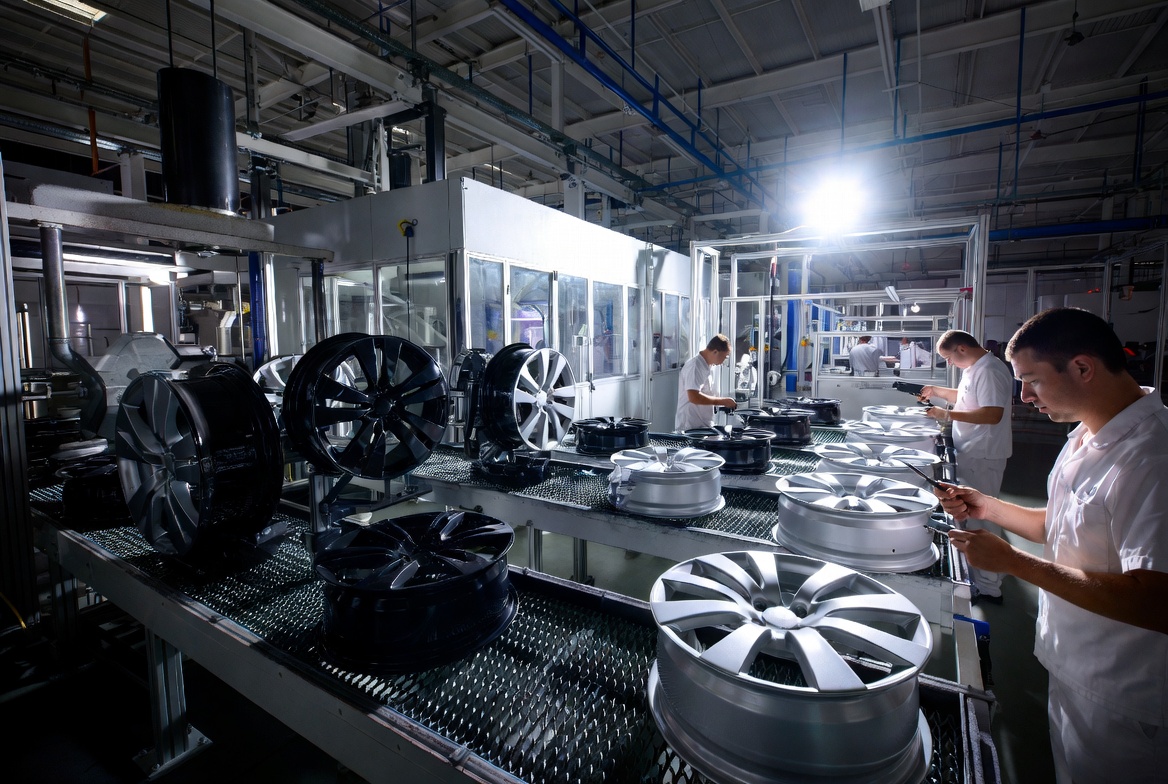
Regulators and stakeholders now expect coherent sustainability strategies across entire supply chains, including coating and pre‑treatment. The coating sector contributes by reducing VOCs, eliminating hazardous substances, and lowering energy consumption during manufacture and application. [basf]
Globally aligned, eco‑friendly coatings allow OEMs to:
- Report consistent VOC and CO₂ performance across regions
- Meet or exceed the strictest regional standards (for example, EU VOC limits) and apply them as a global benchmark
- Demonstrate progress towards fleet‑wide sustainability goals using credible, comparable data. [mhmautopaint]
Sustainability is moving from a "nice‑to‑have" to a core buying criterion in automotive coatings. Eco‑friendly automotive paints and powder coatings increasingly aim to meet or exceed regulations such as EU REACH and VOC directives, while eliminating heavy metals like lead and mercury. [basf]
Industry leaders are exploring:
- Low‑VOC and waterborne chemistries, with VOC content compliant with EU directive requirements. [mhmautopaint]
- Energy‑efficient curing profiles that reduce oven temperatures or line times without sacrificing performance. [basf]
- Life‑cycle assessments and certified carbon footprint tools, enabling OEMs to simulate and reduce CO₂ impacts in the paint shop. [basf]
Yinda's positioning as a powder coating and eco‑materials specialist directly supports these priorities, as powder coatings inherently avoid solvents and can be optimized for reduced waste and energy consumption. [canpaint]
The growth of the automotive and EV market is no longer confined to traditional centers in Europe and North America. Asia‑Pacific has become one of the fastest‑growing regions for advanced automotive technologies, while the Middle East is investing heavily in EV and mobility innovation to diversify its economies. [accio]
For coatings, this shift means:
- Strong demand for local production that still meets global OEM standards.
- Increased need for suppliers with multi‑regional presence and the ability to coordinate projects across borders.
- A premium on partners who understand both global regulations and local application practices. [accio]
With its network in China, Indonesia, and beyond, Yinda is well positioned to connect global OEM specifications with local execution, especially for platforms targeting Asia and emerging markets. [indoent]
From a practical B2B operations perspective, global alignment in automotive coatings can be approached as a structured program rather than a one‑off project. Below is a framework we often recommend when working with OEMs and Tier suppliers.
Start by consolidating coating requirements from different regions into a single master specification covering:
1. Performance criteria (corrosion tests, stone‑chip, UV durability, chemical resistance).
2. Appearance and color tolerances.
3. Regulatory constraints (VOC, heavy metals, regional approvals). [canpaint]
In many cases, the global spec is built around the most demanding region, then applied as a baseline globally to simplify compliance and communication. [mhmautopaint]
Work with your coatings partner to choose powder systems that can be produced and quality‑controlled consistently across regions, such as epoxy‑polyester primers and polyester or polyurethane topcoats for automotive wheels and trim. [yinda-global]
Key selection criteria include:
- Proven track record in relevant applications (for example, wheels, EV structures).
- Availability of equivalent raw materials in different regions.
- Ability to maintain gloss, color, and mechanical performance under local conditions. [yinda-global]
Before global rollout, conduct coordinated pilot runs in two or more plants, ideally in different regions, to validate:
- Film build and coverage at typical line speeds.
- Cure window robustness under local oven conditions.
- Defect rates (orange peel, pinholes, color variance). [tiger-coatings]
Yinda's technical service teams in China and Indonesia can support on‑site audits, troubleshooting, and line optimization to ensure that results are comparable and stable. [indoent]
Sustainable alignment depends on people as much as chemistry. Documentation should include:
- Standard operating procedures for pre‑treatment, application, and curing.
- Clear visual inspection standards and defect libraries.
- Maintenance and cleaning guidelines for powder booths and recovery systems. [basf]
Consistent training material, delivered across regions, helps ensure that operators and quality teams interpret standards in the same way.
Finally, treat global alignment as an ongoing program, not a one‑time event. Track:
- Reject rates and rework costs by plant and component.
- Compliance with VOC and sustainability targets.
- Feedback from OEM auditing teams and end customers. [basf]
Coating partners like Yinda can support continuous improvement through regular technical reviews, formulation updates, and alignment with the latest regulatory and sustainability developments.
New energy vehicles (NEVs) and EVs introduce fresh challenges for coatings, from battery enclosures to lightweight alloy components and charging infrastructure. These components require coatings that offer high corrosion protection, strong adhesion, and durable aesthetics under more demanding operating conditions. [morganlewis]
Yinda's powder coatings for energy‑saving automobiles are engineered to:
- Protect aluminum and steel parts exposed to harsh road and climate conditions.
- Deliver consistent color and gloss across complex geometries such as wheels and battery housings.
- Support lightweight design goals by enabling thinner yet robust coating layers. [yindapc]
By integrating EV‑focused requirements into our global alignment approach, we help OEMs synchronize coating solutions for both internal combustion and electric platforms across multiple markets.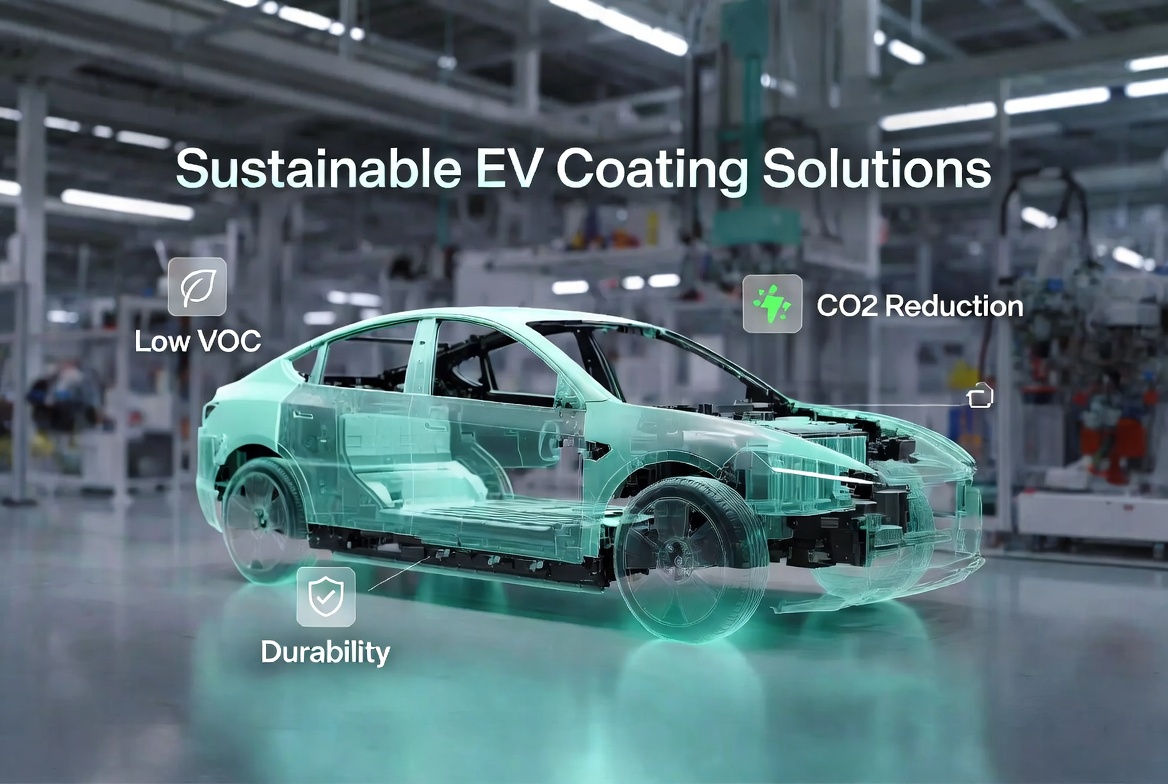
Not all coatings suppliers are equally equipped to support global alignment. When evaluating partners for an automotive or EV program, it is useful to consider the following factors.
- Global footprint with regional depth: Does the supplier operate in the same regions as your plants and key suppliers, with real technical teams on the ground? [yindapc]
- Proven automotive references: Do they have experience in wheels, trim, or structural components for leading OEMs or Tier‑1s? [yinda-global]
- Sustainability capabilities: Can they provide data and tools to support VOC and CO₂ targets, and are they aligned with international standards? [basf]
- R&D and customization capacity: Can they adapt formulations to local raw materials and regulatory limits without compromising performance? [canpaint]
Yinda Technology combines multi‑regional manufacturing, deep powder coating expertise, and a strong focus on eco‑materials, positioning us as a long‑term partner for globally aligned automotive coating strategies. [indoent]
If your automotive or EV programs involve multiple plants, regions, or supplier tiers, now is the right time to review how aligned your coating systems truly are. Misalignment often hides in small specification differences, uncoordinated local substitutions, or inconsistent training—and it only becomes visible when a new plant launches or a warranty issue arises. [morganlewis]
By collaborating with a coatings partner that understands both global standards and local realities, you can protect your brand, improve sustainability performance, and accelerate platform rollouts. To explore how Yinda Technology can support your global automotive coating strategy, consider engaging our technical team for a joint line audit or a pilot program across your key regions. [indoent]
1. Why is powder coating a good choice for globally aligned automotive programs?
Powder coatings offer high transfer efficiency, low VOC emissions, and robust mechanical performance, which makes them easier to standardize across regions while supporting sustainability goals. [yinda-global]
2. How does global alignment reduce total cost of ownership for OEMs?
Aligned coating systems reduce complexity in specifications, lower re‑qualification effort when shifting production, and minimize quality‑related costs such as scrap, re‑paint, and warranty claims. [tiger-coatings]
3. Can globally aligned coatings still be customized for local needs?
Yes. A well‑designed global specification defines performance and regulatory targets, while allowing controlled local optimization—for example, adjusting cure windows or appearance within agreed tolerances. [canpaint]
4. How do coatings suppliers support OEM sustainability reporting?
Advanced suppliers provide VOC data, life‑cycle or carbon footprint information, and guidance on energy‑efficient application, enabling OEMs to document and improve CO₂ performance in their paint operations. [basf]
5. What role does technical service play in maintaining global alignment?
On‑site technical service teams conduct line audits, troubleshoot issues, and ensure that application parameters stay within the intended process window, which is critical for consistent quality across plants. [indoent]
1. Morgan Lewis – “International Trends in the Automotive Industry”. https://www.morganlewis.com/pubs/2025/10/international-trends-in-the-automotive-industry
2. TIGER Coatings – “The Importance of Global Alignment in the Automotive Industry”. https://www.tiger-coatings.com/us-en/tiger-group/tiger-blog/the-importance-of-global-alignment-in-the-automotive-industry-1
3. Canadian Paint and Coatings Association – “Sustainability and VOC Regulations in Coatings” (PDF). https://canpaint.com/wp-content/uploads/2022/02/PTN_EN.pdf
4. GUANGDONG YINDA TECHNOLOGY CO., LTD – Company Profile. https://www.yindapc.com/en/about.php?rid=7
5. Indo Enterprise News – “Yinda Technology Powder Coating Investment in Indonesia”. https://www.indoent.com/en/4165.html
6. Yinda Powder Coating – “Applications & Case (Automotive Wheels)”. https://www.yinda-global.com/Applications-Case-ic3295126.html
7. BASF Coatings – “CO2 and Cost Simulations in Automotive OEM Paintshops (GLASS Tool)”. https://www.basf.com/global/en/media/news-releases/2024/02/p-24-120.html
8. BASF Coatings – “Sustainability Criteria for the Global Collision Repair Industry”. https://www.basf.com/global/en/media/news-releases/2024/01/p-24-115
9. WirelessCar – “Four Key Trends Reshaping the Automotive Industry”. https://www.wirelesscar.com/four-key-trends-reshaping-the-automotive-industry/
10. MHM AutoPaints – “Eco-Friendly Automotive Paint and ESG Alignment”. https://mhmautopaint.com
11. Accio – “2025 Alignment Machine Trends and Regional Market Insights”. https://www.accio.com/business/trend-of-latest-alignment-machine-models
12. McKinsey & Company – “Disruptive Trends That Will Transform the Auto Industry”. https://www.mckinsey.com/industries/automotive-and-assembly/our-insights/disruptive-trends-that-will-transform-the-auto-industry


