Language


Views: 271 Author: Yinda Powder Coating Publish Time: 2026-07-15 Origin: Site


Content Menu
● Understanding Edge Coverage In Modern Powder Coating
● Why Edge Coverage Matters For ACE And Beyond
● Lessons From Single-Coat Edge Coverage Solutions
● Core Technical Parameters Behind Strong Edge Protection
● One-Coat Versus Multi-Coat Strategies For Heavy-Duty Equipment
● Sustainability, Energy Savings, And Regulatory Alignment
● Global Trends In Powder Coating Adoption
● How Yinda Approaches Edge Coverage For Diverse Sectors
● Example: Edge Coverage For Architectural Profiles
● Example: Heavy Equipment And ACE Components
● Example: Medical Equipment, Hardware, And Electronics
● Practical Steps To Improve Edge Coverage In Production
>> Step 1: Focus On Pre-Treatment And Cleanliness
>> Step 2: Tune Application Settings For Edge Build
>> Step 3: Control Curing Windows And Energy Use
● Regional Insights: China, Indonesia, And Saudi Arabia
● Partnering With A Specialist Manufacturer
● Future Directions In Edge Coverage Technology
Edge coverage in powder coating has quietly become one of the most critical performance factors for metal fabricators, especially in heavy-duty applications like construction equipment, architectural profiles, and industrial machinery. For manufacturers like Yinda Technology serving customers across China, Indonesia, and Saudi Arabia, mastering edge protection is now a key differentiator in both durability and sustainability. [tiger-coatings]
In any powder-coated metal component, edges and sharp corners are the first areas to fail when exposed to corrosion, UV, or mechanical stress. Powder tends to build up more on flat surfaces than on sharp profiles, which leaves laser-cut edges and punched corners vulnerable if the formulation and application process are not optimized. [tiger-coatings]
In sectors such as agriculture, construction, and earth-moving equipment (ACE), these weaknesses are amplified because machines operate outdoors under high humidity, temperature fluctuations, and constant mechanical impact. The same is true for architectural façades, doors and windows, and new energy vehicle (NEV) components that must maintain appearance and structural integrity over many years of service. [tiger-coatings]
For agricultural, construction, and earth-moving equipment, powder coating is both a functional barrier and a brand statement. Poor edge coverage can lead to premature rusting at cut edges, rapid gloss loss, and visible degradation that directly impacts resale value and customer perception. [tiger-coatings]
By contrast, robust edge protection allows OEMs and component suppliers to extend maintenance intervals, reduce warranty claims, and keep their fleets visually consistent even under harsh exposure. This is one reason why durable powder systems have become a preferred finishing solution for ACE equipment, heavy trailers, forklifts, and other industrial hardware. [paint]

A key industry milestone was the development of single-coat powder systems specifically designed to improve edge coverage on laser-cut and formed parts. These solutions focus on an optimized viscosity profile that allows powder to flow, wrap, and cure effectively around sharp corners without sagging on flat areas. [tiger-coatings]
When properly formulated and applied, such a one-coat system can reduce or eliminate the need for primers and multiple topcoats, while still delivering corrosion resistance and cosmetic standards previously associated with multi-layer systems. In real-world production, this translates into fewer passes through the coating line, shorter cycle times, and more predictable, repeatable finishes across batches. [tiger-coatings]
Behind every high-performing edge-coverage system are several technical levers that powder manufacturers and applicators must balance carefully. From an R&D perspective, three parameters are particularly influential for edges and sharp geometries. [chemquest]
First, the resin and curing system determine how the coating flows and crosslinks around edges, influencing both coverage and mechanical robustness. Second, pigment and additive packages shape color and gloss retention under UV and humidity, as well as resistance to abrasion and chemicals in demanding environments. [tiger-coatings]
Third, process-oriented factors such as first-pass transfer efficiency and bake window flexibility help coaters achieve consistent edges with minimum waste. High first-pass efficiency means more of the powder lands and stays on the part, reducing overspray and improving film build on edges without compromising flat surfaces. [tiger-coatings]
In many ACE and industrial applications, the historical default was a multi-coat system: primer plus one or more topcoats to build film thickness and protection. This approach remains valid for extreme environments or highly critical components, but it comes with cost and complexity: more handling, more curing passes, and higher energy consumption. [mordorintelligence]
Single-coat, super-durable polyester systems have changed that equation by combining corrosion protection, edge coverage, and aesthetic performance in a single layer. When a single-coat solution can match or approach multi-layer performance, many fabricators find they can simplify lines, reduce changeover times, and free up capacity without compromising durability. [tiger-coatings]
Beyond performance, modern powder coatings are increasingly evaluated on environmental and regulatory criteria. Powder is already widely regarded as a more sustainable alternative to many solvent-based liquid coatings due to near-zero volatile organic compounds (VOCs) and high material utilization. [paint]
Newer TGIC-free super durable polyester systems offer an additional advantage by aligning with evolving health and safety regulations while still delivering edge coverage and long-term durability. When coupled with low-temperature cure technologies, these systems help coaters cut energy consumption in ovens and lower total operating costs per part. [chemquest]
Industry analysts continue to report steady growth for the global powder coatings market, driven by increased acceptance across automotive, architectural, and general industrial segments. Market forecasts project the sector reaching well over 17 billion USD in value over the coming years, with compound annual growth fueled by both volume expansion and technology upgrades. [paint]
Within this growth, demand is particularly strong in Asia and the Middle East, where infrastructure, construction, and transportation projects remain robust. For manufacturers with a footprint in China, Southeast Asia, and the Gulf region, the combination of local technical support and region-specific formulations has become a critical competitive advantage. [paint]
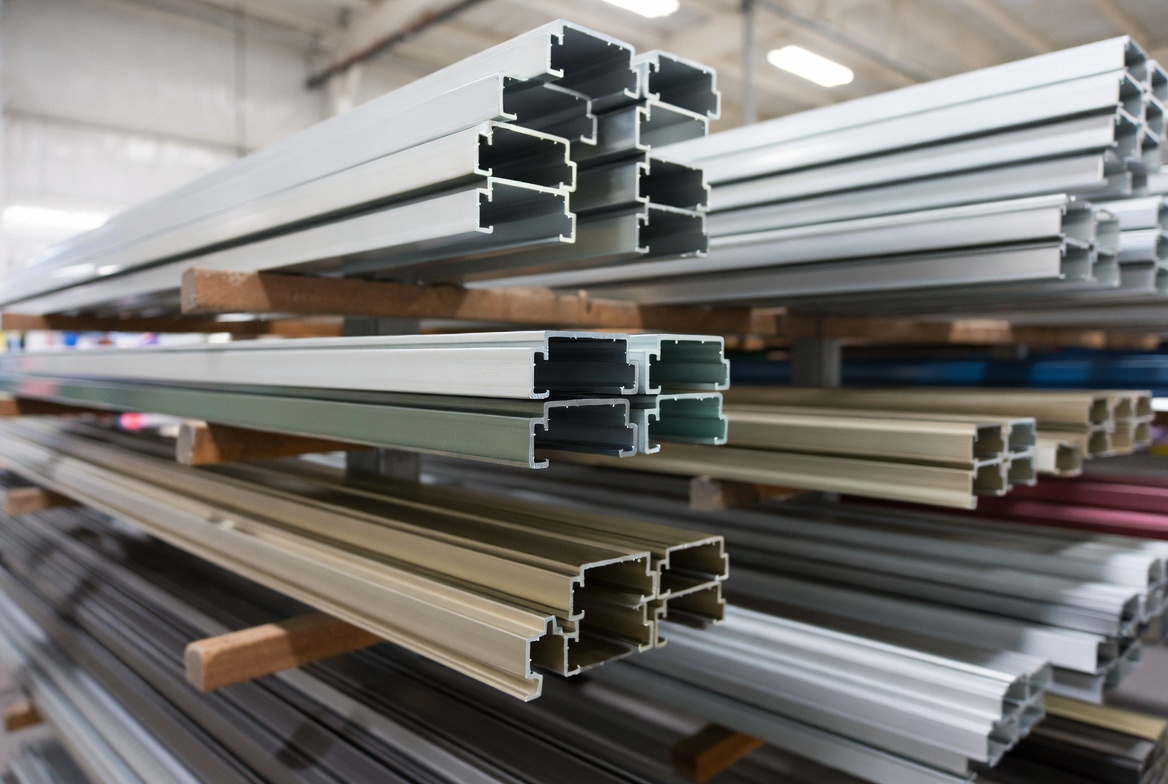
As a specialized powder coating and eco-friendly materials manufacturer, Yinda Technology addresses edge coverage not as a single product feature but as part of a complete finishing solution for different industries. Across architectural aluminum, doors and windows, new energy vehicles, medical equipment, hardware, and electronics, the demands on edges vary from purely decorative to highly structural. [tiger-coatings]
In door and window profiles, for example, sharp miters and cut ends require uniform film build to avoid corrosion stains at corner joints over time. In contrast, for NEV battery housings and brackets, the priority may be electrical insulation, chemical resistance, and mechanical protection on edges exposed to vibration and road debris. [tiger-coatings]
Architectural aluminum profiles must maintain color and gloss for many years under strong sunlight, acid rain, and airborne pollutants. Edge coverage here is essential because any exposed metal at cut ends or sharp corners can act as an entry point for corrosion that gradually travels beneath the coating film. [tiger-coatings]
By using super durable polyester systems that comply with stringent performance standards such as AAMA requirements, coaters can ensure both flat surfaces and edges withstand UV, humidity, and thermal cycling. When combined with carefully controlled pre-treatment, consistent curing, and quality inspection, this approach supports long-term façade warranties and stable appearance across entire building envelopes. [tiger-coatings]
For ACE machinery, sharp edges are everywhere: laser-cut booms, fabricated cabins, welded frames, and complex brackets. In these applications, a single coating defect at an edge can quickly expand under impact, dirt accumulation, and chemical exposure during real-world use. [tiger-coatings]
Durable powder systems designed specifically for ACE applications feature robust resins, UV-stable pigments, and additive packages optimized for impact and corrosion resistance. When these systems are paired with process settings tuned for high first-pass transfer efficiency, they can cover edges effectively while maintaining a smooth, consistent finish across large fabricated assemblies. [tiger-coatings]
Medical devices and precision hardware add another layer of complexity: in many cases, edges must be both protected and smooth to the touch, with strict cleanliness requirements. Powder coatings used on these components often need resistance to repeated cleaning and disinfection cycles, while still maintaining thin, uniform films on small edges and corners. [paint]
In electronics and small appliances, edge coverage has a dual role: protecting metal from corrosion and delivering a uniform appearance that enhances perceived quality. This is particularly important for consumer-facing surfaces where even minor chipping or rust around edges can quickly undermine trust in the brand. [paint]
From a production standpoint, improving edge coverage is not only about the powder itself but also about how it is applied and cured. Manufacturers who want to systematically raise their edge performance can follow a structured approach that aligns people, processes, and products. [chemquest]
A practical three-step framework includes: verifying and standardizing surface preparation, optimizing application parameters and gun settings specifically for edges, and validating bake schedules to ensure consistent curing at edges and corners. Each of these steps should be backed by measurable criteria such as film thickness readings, adhesion tests, and accelerated corrosion evaluations to confirm real performance gains. [tiger-coatings]
Edges are more sensitive to defects caused by incomplete cleaning, unstable conversion coatings, or residual cutting oils. Ensuring that pre-treatment chemicals reach and react fully at edges is the foundation of any corrosion-resistant coating system. [paint]
Regular monitoring of bath parameters, rinsing quality, and drying conditions helps guarantee that edges enter the spray booth in a receptive state. Without this foundation, even the best-formulated powder cannot deliver reliable edge protection in service. [tiger-coatings]
Powder spray settings such as voltage, gun-to-part distance, and line speed have a direct influence on how much material deposits on edges versus flat areas. Adjusting these parameters around complex geometries allows operators to increase film build at edges without generating excessive thickness on flats. [chemquest]
Advanced systems may incorporate multiple gun angles or dedicated passes for edges, depending on the complexity of the parts. Continuous operator training and documentation of best-practice settings contribute to more consistent edge coverage across shifts and production runs. [paint]
Even when film build is adequate, undercuring at edges can reduce adhesion and durability. Conversely, overcuring to compensate for edge variations can increase energy costs and risk damaging heat-sensitive substrates or components. [tiger-coatings]
Low-temperature cure systems with wide bake windows make it easier to cure both edges and flats consistently, especially on mixed-mass assemblies. By carefully balancing cure time and temperature, coaters can protect edges while still progressing toward lower energy consumption per part. [mordorintelligence]
Different regions present different combinations of climate, regulatory frameworks, and customer expectations, all of which affect edge coverage strategies. In China, high humidity and rapid industrial development have driven demand for robust, high-throughput powder solutions in architectural and industrial sectors. [mordorintelligence]
Indonesia's tropical climate adds additional stress in the form of year-round humidity and marine influences, making corrosion protection at edges especially important for outdoor infrastructure and equipment. In Saudi Arabia and broader Gulf markets, intense UV exposure and extreme temperature swings require powders with exceptional color and gloss stability, including on exposed edges and corners. [tiger-coatings]

Choosing a powder supplier is ultimately about more than a product list; it is about access to process expertise, customized formulations, and support across multiple plants and countries. Manufacturers that maintain their own R&D, technical service, and energy-saving technology programs can help customers optimize both edge coverage and overall line efficiency. [paint]
For OEMs and fabricators operating across borders, working with a partner that understands local standards and project requirements in China, Southeast Asia, and the Middle East can simplify specification and approval processes. It also enables rapid color matching, on-site troubleshooting, and continuous improvement initiatives that keep edge coverage performance aligned with evolving market demands. [chemquest]
Innovation in powder coatings continues to move toward thinner films, new substrates, and more demanding environments without sacrificing edge performance. Formulators are exploring advanced resin chemistries, novel curing mechanisms, and smart additives that enhance flow, coverage, and barrier properties at lower film builds. [paint]
At the same time, digitalization of coating lines—through better monitoring, data capture, and analytics—is helping manufacturers spot and correct edge-related issues earlier in the process. These developments collectively point toward a future where edge coverage is no longer a weak point but a consistent, predictable aspect of high-performing powder-coated systems. [paint]
Q1: Why do sharp edges corrode faster than flat areas in powder-coated parts?
Sharp edges often receive lower film thickness during application and can be more difficult to pre-treat properly, which leaves less protective barrier between the metal and the environment. [tiger-coatings]
Q2: Can a single-coat powder system really replace a primer plus topcoat in heavy-duty applications?
In many ACE and industrial applications, advanced super durable polyester systems deliver corrosion resistance, edge coverage, and aesthetic performance that approach or match traditional multi-layer systems when the full process is well controlled. [tiger-coatings]
Q3: What process changes most often improve edge coverage on an existing powder line?
Fine-tuning spray parameters, enhancing pre-treatment quality, and validating cure schedules typically bring the most immediate improvements without major capital investment. [chemquest]
Q4: How do low-temperature cure powders help with energy savings?
They allow parts to be cured at reduced oven temperatures or shorter dwell times while still achieving full crosslinking, which lowers gas or electricity consumption per batch. [mordorintelligence]
Q5: Are TGIC-free systems suitable for long-term outdoor exposure?
Modern TGIC-free super durable polyester powders are designed to meet stringent outdoor performance standards and have shown strong results in UV, humidity, and corrosion testing. [tiger-coatings]
1. Delivering Edge Coverage Solutions for ACE – TIGER Coatings. https://www.tiger-coatings.com/us-en/tiger-group/tiger-blog/delivering-edge-coverage-solutions-for-ace
2. AGRICULTURAL AND CONSTRUCTION EQUIPMENT – TIGER Drylac®. https://www.tiger-coatings.com/us-en/products/tiger-drylacr-applications/agricultural-and-construction-equipment
3. TIGER Drylac® offers surface finishing solutions for Agriculture, Construction and Earth-Moving Equipment (ACE) – Brochure. https://www.tiger-coatings.com/fileadmin/user_upload/documentmanager_tiger-coatings_us/brochures/general/2020_ACE_Insert.pdf
4. TGIC-Free Super Durable Powder Coatings for ACE Applications – TIGER Coatings. https://www.tiger-coatings.com/mx-es/tiger-group/tiger-blog/tgic-free-super-durable-powder-coatings-for-ace-applications
5. New Horizons in Powder Coatings – CoatingsTech Magazine. https://www.paint.org/coatingstech-magazine/articles/new-horizons-in-powder-coatings/
6. Market Update: Advances in Powder Coatings – CoatingsTech Magazine. https://www.paint.org/coatingstech-magazine/articles/market-update-advances-in-powder-coatings/
7. Emerging Technical Trends in the Powder Coating Industry – ChemQuest. https://chemquest.com/emerging-trends-in-the-powder-coating-industry/
8. Powder Coatings Market Size, Growth Trends & Industry Share – Mordor Intelligence. https://www.mordorintelligence.com/industry-reports/powder-coatings-market


