Language


Views: 277 Author: Yinda Powder Coating Publish Time: 2026-07-31 Origin: Site


Content Menu
● Why powder coated materials need routine care
● What causes powder coated surfaces to wear
● Best cleaning method for powder coated materials
● What to avoid during maintenance
● Cleaning schedule by environment
● How to handle stubborn stains safely
● When inspection matters more than cleaning
● Durability expectations and service life
● A practical maintenance routine for facility teams
● Expert advice for extending service life
● Why this matters for industrial buyers
● Final checklist for powder coated care
● FAQs
Powder coated materials are built to last, but they still need the right care to stay attractive and perform well over time. With a simple maintenance routine, you can protect the finish, reduce corrosion risk, and extend service life across architectural, industrial, and commercial applications.
Powder coating is valued for its durability, strong surface protection, and clean appearance, but no coating is completely maintenance-free. Dirt, airborne pollutants, salt, grease, bird droppings, and industrial residue can slowly dull the finish or damage the surface if they are left in place too long. Regular cleaning helps preserve both the look and protective function of the coating.
In real-world use, the environment matters as much as the coating itself. Outdoor installations near roads, coastal zones, factories, or high-humidity areas usually need more frequent attention than indoor components. That is especially true for architectural profiles, doors and windows, outdoor railings, vehicle parts, and equipment exposed to chemical or abrasive conditions.
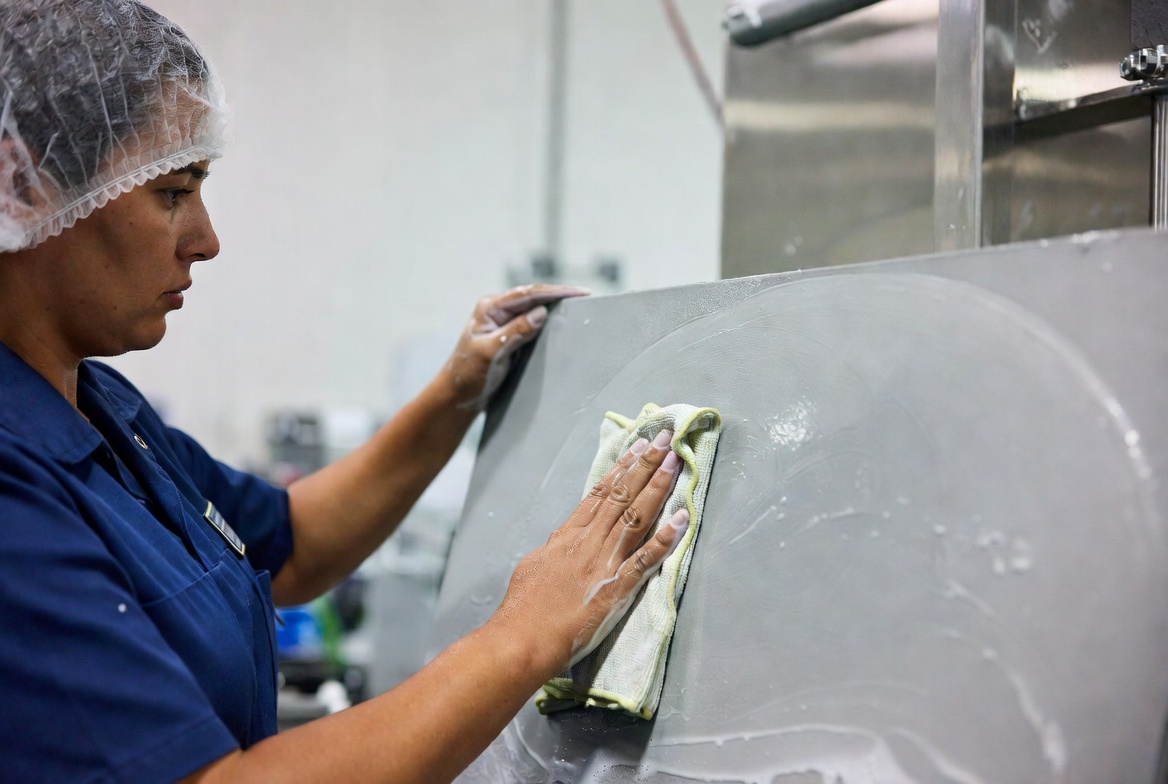
A powder coated finish usually fails slowly, not suddenly. Most surface problems begin with contamination, abrasion, or prolonged exposure to moisture and chemicals. Once the outer layer is compromised, the underlying substrate becomes more vulnerable to corrosion and staining.
Common causes of damage include:
- Dust and grit, which can act like sandpaper during cleaning.
- Acidic or alkaline cleaners, which may weaken or discolor the coating.
- Salt exposure, especially in coastal or winter-road environments.
- Standing water, which can leave marks and encourage corrosion at damaged points.
- Physical impact, such as scratching from tools, metal objects, or hard brushes.
Understanding these risks makes maintenance easier because the goal is not aggressive cleaning. The goal is consistent, gentle care.
For most powder coated surfaces, the safest and most effective cleaning method is still the simplest one: mild soap, warm water, and a soft cloth or sponge. This approach removes daily dirt without stressing the finish. In most cases, you do not need special chemicals or heavy scrubbing.
Follow these steps:
1. Rinse the surface with clean water to remove loose dust and grit.
2. Mix a small amount of neutral or mild detergent with warm water.
3. Wipe the surface gently using a microfiber cloth, soft sponge, or soft-bristle brush.
4. Rinse thoroughly to remove all soap residue.
5. Dry with a clean soft cloth to prevent water spots.
For textured coatings, recessed areas, and detailed profiles, a soft nylon brush can help dislodge dirt without scratching. Always test any cleaner on a small hidden area first if you are unsure about compatibility.
The wrong cleaning product can do more harm than the dirt itself. Harsh solvents, abrasive pads, and strong chemical cleaners may strip gloss, stain the finish, or create microscopic damage that becomes visible over time.
Avoid the following:
- Steel wool and wire brushes.
- Abrasive powders or scouring pads.
- Acetone, paint thinner, brake cleaner, and similar solvents.
- Strong acids or strong alkalis.
- High-pressure washing at close range, especially on aged or damaged coatings.
If a surface needs deeper cleaning, use a product specifically labeled as safe for powder coated finishes. Follow the product instructions carefully and rinse thoroughly. Never assume that a cleaner safe for metal is safe for the coating.
How often you clean depends on exposure. A busy industrial site, a coastal building, and an indoor appliance do not need the same maintenance interval. The more contaminants a surface faces, the more often it should be washed.
| Environment | Suggested cleaning frequency | Main risks |
|---|---|---|
| Indoor, low-touch surfaces | Every 6 to 12 months | Dust, fingerprints |
| Urban outdoor surfaces | Every 3 to 6 months | Pollution, grime, rain marks |
| Coastal or marine-adjacent areas | Every 1 to 3 months | Salt deposits, corrosion |
| Industrial or high-chemical zones | Monthly or as needed | Oil, dust, chemical residue |
| High-touch hardware or components | As needed, with routine inspection | Finger oils, abrasion |
This table is a practical starting point. In heavy-use settings, visual inspection should always come first. If buildup appears earlier, clean earlier.
Some contaminants need a little more care, but the method should still remain gentle. The key is to soften the residue first, then remove it without force. Do not attack the stain with harsh rubbing.
For common tough stains:
- Bird droppings and sap: Soak the area with warm soapy water, then wipe gently.
- Grease and handprints: Use mild detergent and a microfiber cloth.
- Road film and urban grime: Rinse first, then wash with mild soap.
- Rust marks from nearby metal: Clean promptly, because rust transfer becomes harder to remove over time.
- Graffiti or adhesive residue: Use only a cleaner approved for powder coated surfaces.
If a stain does not come off easily, repeat the gentle wash rather than increasing abrasion. Repeated light cleaning is safer than one aggressive cleaning session.
Cleaning keeps the finish looking good, but inspection helps prevent long-term failure. A quick check every few months can reveal small problems before they become expensive ones. This is especially important for architectural products, transportation components, and outdoor equipment.
Look for:
- Chips or scratches.
- Fading or gloss loss.
- Blistering or peeling.
- White residue or corrosion near edges.
- Damaged joints, corners, and cut edges.
If damage is found, act quickly. Small defects can often be repaired early, but once moisture reaches the substrate, the repair becomes more difficult. In many cases, prompt touch-up or replacement is the best way to protect the overall asset.
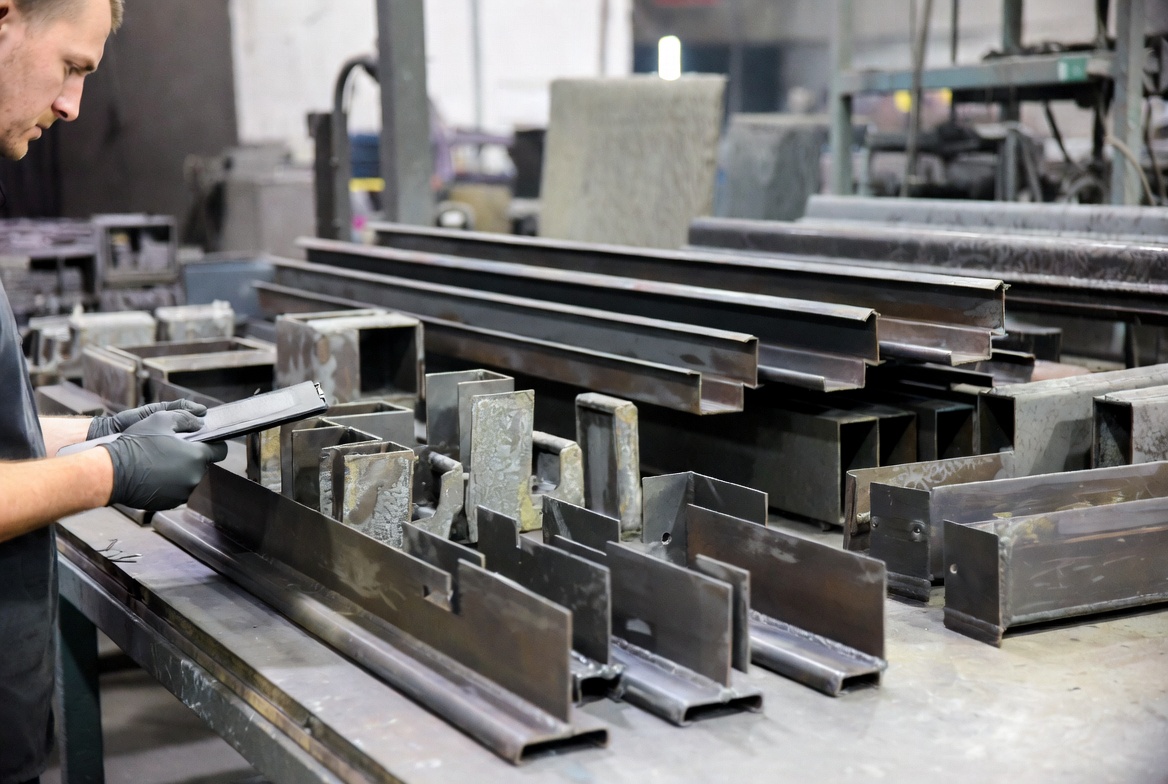
A powder coated finish can deliver long service life when the right coating is matched to the right environment and then maintained properly. Performance depends on formulation, substrate preparation, film thickness, curing quality, and exposure conditions. Exterior architectural systems designed for stronger durability classes can offer long-term color and gloss retention, but those benefits still depend on cleaning and inspection.
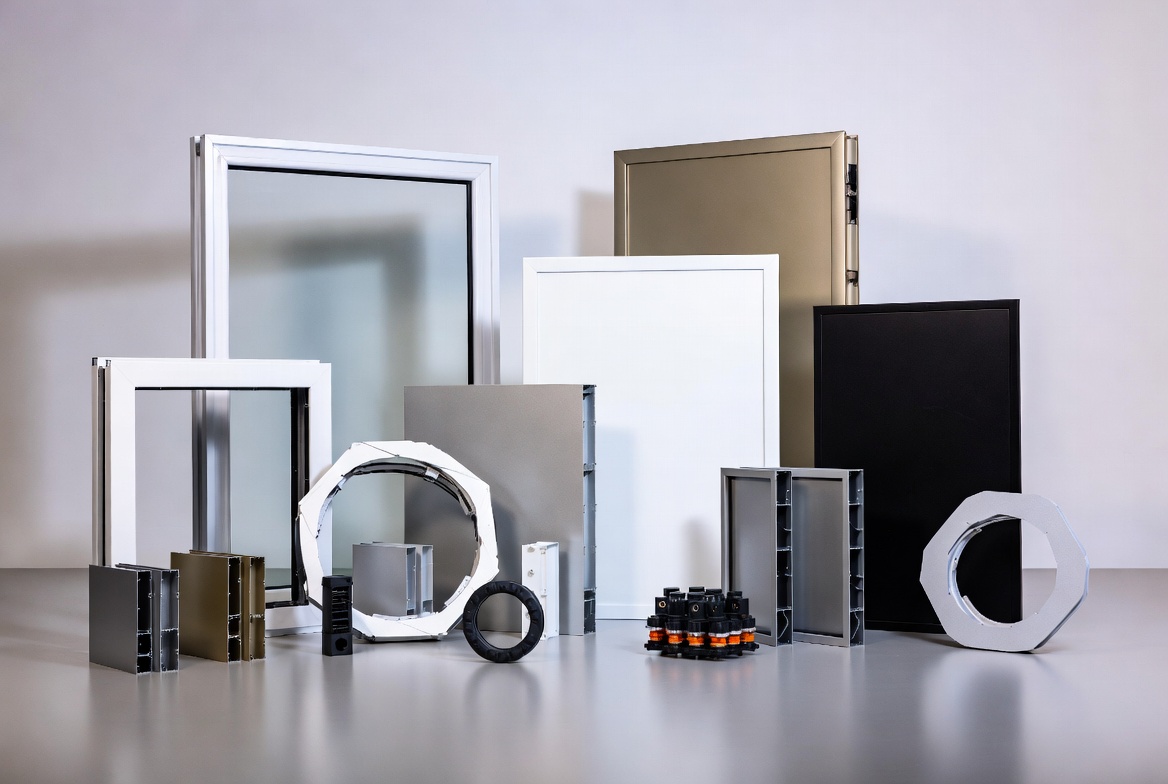
This matters for industries such as building profiles, windows, doors, new energy vehicles, medical equipment, hardware, and electrical products. Each application has different expectations for appearance, corrosion resistance, and maintenance frequency. A coating chosen for mild indoor use will not perform the same way in a coastal or industrial location.
For facility managers, contractors, and end users, the best maintenance plan is simple and repeatable. It should not rely on special training or complex materials. The easier the routine is to follow, the more likely it is to protect the finish consistently.
Use this process:
1. Inspect surfaces on a fixed schedule.
2. Remove loose dust and debris first.
3. Wash with mild soap and warm water.
4. Rinse completely.
5. Dry the surface.
6. Record any chips, scratches, or corrosion points.
7. Escalate damaged areas for repair.
This routine works well because it combines cleaning with early issue detection. That means the finish is not only cleaned, but also monitored before small problems become operational problems.
From a coatings perspective, the best protection is a combination of good product selection and good maintenance. A durable coating still needs a clean environment, appropriate handling, and periodic inspection. For exposed projects, protective covers, drainage design, and careful installation can also make a major difference.
Three practical habits improve service life the most:
- Clean before contamination becomes embedded.
- Avoid tools or chemicals that can scratch or chemically attack the coating.
- Fix damage early instead of waiting for corrosion to spread.
For businesses that depend on performance and appearance, these habits protect both the asset and the brand image behind it.
For manufacturers, builders, and project owners, powder coated materials are often chosen because they balance protection, appearance, and environmental performance. But the return on that investment depends on upkeep. A well-maintained finish reduces replacement frequency, improves customer satisfaction, and helps the product stay visually consistent across its lifespan.
That is especially valuable in exported industrial products, architectural systems, and engineered components where appearance and durability both affect purchasing decisions. In other words, maintenance is not just a cleaning task. It is part of product value.
Use this quick checklist whenever you maintain powder coated materials:
- Rinse off loose dirt first.
- Use mild soap and warm water.
- Clean with a soft cloth or sponge.
- Avoid abrasive tools and harsh chemicals.
- Dry the surface after washing.
- Inspect for chips, scratches, and corrosion.
- Clean more often in coastal, industrial, or high-touch environments.
If a powder coated surface is important to your product, your building, or your customer experience, protect it with a simple routine and the right cleaning method. For industrial projects, architectural systems, and custom coating needs, Yinda Technology can support durable powder coating solutions built for demanding applications.
1. How often should powder coated materials be cleaned?
Most indoor surfaces can be cleaned every 6 to 12 months, while outdoor or high-exposure surfaces may need cleaning every 1 to 3 months depending on the environment.
2. Can I use pressure water to clean powder coated surfaces?
Use caution. Low-pressure rinsing may be acceptable in some cases, but high pressure or close-range spraying can damage the finish. Always start with mild soap and soft cleaning tools.
3. What is the safest cleaner for powder coated materials?
A neutral or mild detergent mixed with warm water is the safest option for most surfaces.
4. Can powder coated surfaces be repaired if scratched?
Small chips or scratches can sometimes be touched up, but deeper damage should be assessed quickly to prevent corrosion from spreading.
5. Does powder coating need special maintenance in coastal areas?
Yes. Salt exposure makes regular rinsing and inspection especially important, because salt can accelerate corrosion when it settles on damaged areas.
6. What should I do if a stain does not come off easily?
Repeat a gentle wash first. If the stain remains, use only a cleaner confirmed to be safe for powder coated finishes and test it on a hidden area.
- [Kroma Coatings – How to Take Care of Powder Coated Materials]
- [Kroma Coatings – Powder Coating Powder Applications]
- [Kroma Coatings – Why Powder Coating Powders Are Best for Corrosion Resistance]
- [QUALICOAT UK – Maintaining the Colours of QUALICOAT]
- [Coast 2 Coast Powder Coating – Maintaining and Cleaning Powder Coated Surfaces]
- [Houston Powder Coaters – Powder Coating Care & Maintenance Tips]
- [Axalta]
- [Nordson Industrial Coating Systems – Complete Guide to Powder Coating]


