Language


Views: 210 Author: Yinda Powder Coating Publish Time: 2026-07-11 Origin: Site


Content Menu
● Understanding Passive House Structural Glazing Requirements
● What Is Powder Coated Thermal Break Aluminum?
>> Powder Coating Benefits for Passive House Glazing
● What Are Solid Steel Frames in Structural Glazing?
● Thermal Performance: Aluminum Thermal Break vs. Solid Steel
>> Frame U-Values and Thermal Bridges
>> Condensation and Comfort Implications
● Structural Capacity and Design Flexibility
>> Load-Bearing Considerations
>> Design and Aesthetic Options
● Durability, Maintenance, and Lifespan
>> Corrosion and Surface Stability
>> Lifecycle and Operational Maintenance
● Cost and Value in Passive House Projects
● Case-Based Insight: Aluminum Systems Meeting Passive House Standards
● Expert Perspective: Where Solid Steel Still Makes Sense
● Practical Selection Guide for Project Teams
● Advanced Considerations for Global Projects
● Recommended Approach for Passive House Structural Glazing
● FAQs
Powder coated thermal break aluminum frames and solid steel frames can both support high-performance passive house structural glazing, but they deliver very different trade-offs in energy efficiency, durability, cost, and long-term comfort for owners and developers. [m.ropowindows]
Passive house projects push façade systems beyond conventional performance, demanding exceptional airtightness, insulation, and long-term durability in every frame around the glass. For Yinda Technology, a manufacturer specializing in powder coated thermal break aluminum systems and advanced environmental materials in China, Indonesia, and Saudi Arabia, the choice between thermally broken aluminum and solid steel frames is not only technical but strategic for building owners, EPC contractors, and façade engineers aiming at consistent high performance across global climates. [sgl-doors-windows]
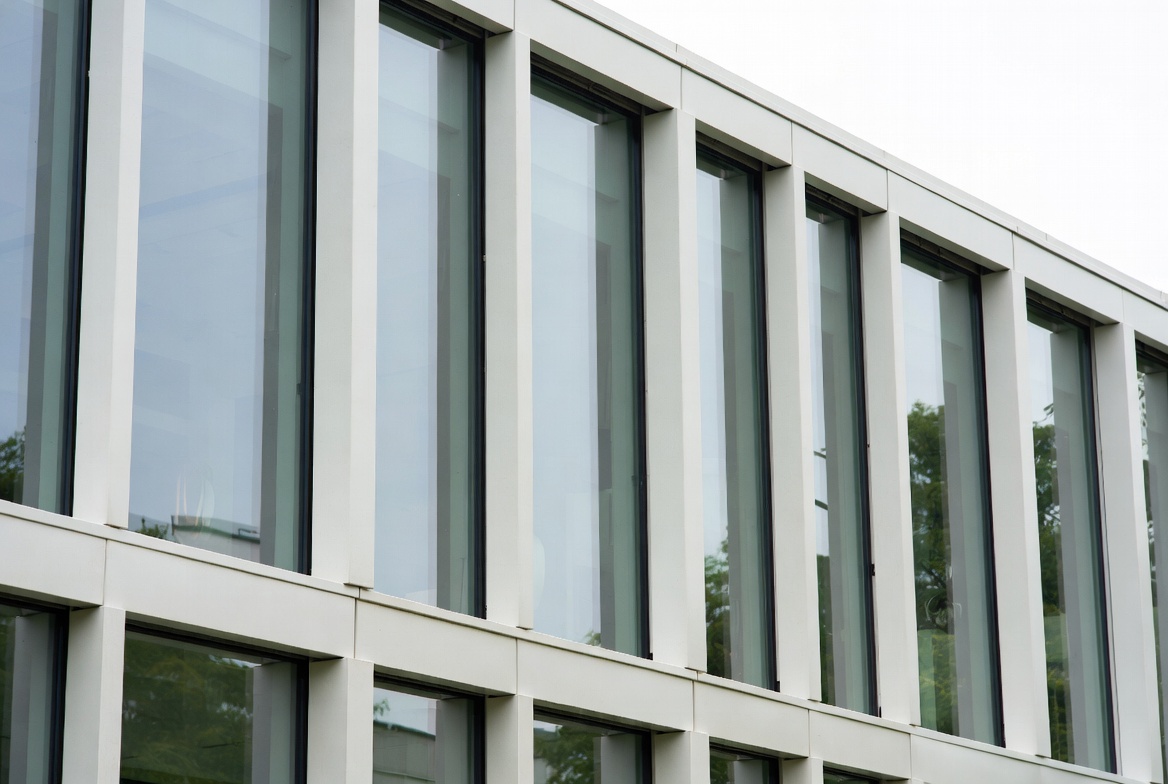
Passive house and ultra-low energy buildings rely on glazing systems that minimize thermal bridges, maintain airtightness, and support high interior surface temperatures in winter. Frames must carry structural loads, protect the glazing edge bond, and maintain performance even under wind, seismic, and temperature cycles over decades of use. In practice, this means: [database.passivehouse]
- Low frame U-values to reduce heat loss.
- Robust sealing lines for air and water tightness.
- Stable materials that resist warping, corrosion, and mechanical fatigue.
In structural glazing for façades, curtain walls, and large passive house openings, the frame material critically shapes the entire envelope's performance, not only its appearance. [sashwindows-london]
Thermal break aluminum frames combine two aluminum profiles—interior and exterior—separated by an insulating polymer bar, often polyamide (PA66), to interrupt heat flow across the frame. Yinda Technology's systems add high-performance powder coating and environmental material formulations to create façade components designed for aggressive climates and intensive urban use. [f1composite]
Key characteristics of powder coated thermal break aluminum frames:
- High thermal performance: Thermal breaks and multi-chamber designs can achieve low Uf-values suitable for passive house window and façade systems. [m.ropowindows]
- Durable surface: Powder coating provides uniform, UV-resistant, and chemically stable color finishes that resist pollutants and moisture. [builtop.en.made-in-china]
- Design flexibility: Slim profiles, wide color choices, and compatibility with double or triple low-E glazing support modern façade aesthetics without increasing sightline width excessively. [ormwindows]
Powder coating is applied as a dry powder and cured to form a continuous, hard but flexible film on aluminum surfaces, improving corrosion resistance and surface stability. For passive house façades, these properties matter because: [builtop.en.made-in-china]
- Frames are exposed to rain, dust, and UV; coating integrity directly impacts long-term performance.
- Chemically stable finishes reduce maintenance and preserve airtightness at seals and gaskets.
- Color-stable coatings support daylighting and visual comfort without compromising material durability. [m.ropowindows]
In climates such as coastal China or humid Indonesia, powder coated thermal break aluminum can maintain visual and structural integrity with lower maintenance compared to bare metal or painted systems. [builtop.en.made-in-china]
Solid steel frames in structural glazing usually refer to steel mullions, transoms, and edge members that support large IGUs (insulated glass units) either visibly or as concealed carriers behind silicone-bonded glass. These frames rely on steel's very high modulus of elasticity and load-bearing capacity, making them attractive for long spans, minimal deflection, and slim visible profiles in some façade concepts. [youtube]
Core characteristics of solid steel frames:
- Exceptional structural strength: Steel supports heavy glass units and large spans with relatively small cross-sections compared to many other framing materials. [era]
- High thermal conductivity: Steel has significantly higher thermal transmittance than insulating materials, creating strong thermal bridges if not isolated. [f1composite]
- Corrosion sensitivity: Without robust coatings and detailing, steel is susceptible to corrosion, especially in coastal, humid, or polluted urban environments. [youtube]
In many passive house and positive energy projects, steel may be used in localized structural elements, but fully exposed solid steel frames around glazing often require complex thermal isolation strategies to meet stringent envelope performance targets. [sashwindows-london]
High-performance window and façade frames in passive house design aim for low Uf-values and minimal thermal bridging at glass edges and wall junctions. Thermally broken aluminum achieves this by separating interior and exterior metallic parts with continuous insulating bars and foam-filled chambers. In contrast, solid steel sections, without dedicated thermal breaks, behave as continuous cold or hot bridges between exterior and interior surfaces. [database.passivehouse]
Key points:
- Thermally optimized aluminum systems can reach Uf-values suitable for passive house certification when designed with multi-chamber profiles and robust thermal breaks. [sgl-doors-windows]
- Solid steel profiles typically require additional thermal separation layers, such as insulating covers or hybrid assemblies, to avoid severe energy loss and condensation. [era]
- In structural glazing around occupied zones, higher interior surface temperatures on frames significantly improve comfort and reduce condensation risk; this is more readily achieved with thermally broken aluminum than with bare steel. [sashwindows-london]
Low interior frame temperatures create risks of surface condensation and mold growth, especially in humid interiors or cold external climates. Thermally broken aluminum reduces heat flow and keeps frame surfaces closer to room temperature, supporting comfortable interior conditions even near large glazed surfaces. [database.passivehouse]
By contrast, solid steel frames often become cold spots in winter, potentially leading to:
- Visible condensation at frame edges.
- Local discomfort due to radiant asymmetry.
- Increased risk of long-term damage to finishes and adjacent materials. [f1composite]
For passive house projects striving to achieve stable indoor comfort with minimal energy use, this difference is decisive when choosing frame systems for large structural glazing areas. [era]
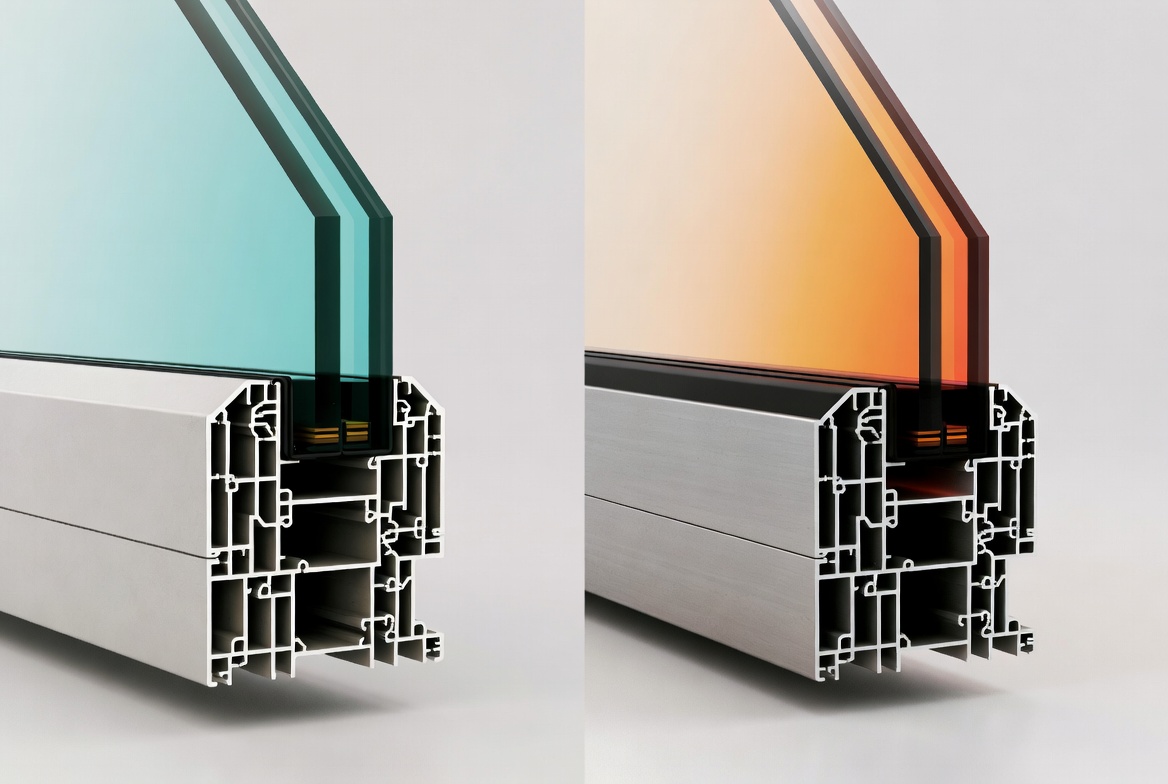
Steel's mechanical properties are attractive for very long spans and highly loaded façade elements, but modern thermal break aluminum systems can handle many structural glazing applications while maintaining energy performance. [ormwindows]
- Steel delivers superior tensile and compressive strength, enabling extremely slender mullions for very tall façades or special architectural statements. [youtube]
- Aluminum, particularly in carefully engineered thermally broken systems, offers sufficient strength for typical passive house windows, doors, and many curtain wall applications. [ormwindows]
For most residential and small-to-medium commercial passive house projects, thermally broken aluminum frames can support required glass sizes without resorting to fully exposed solid steel frames. [m.ropowindows]
Passive house owners and architects increasingly want minimal frames and large glazed areas, but they also need robust performance. Thermally broken aluminum offers: [sashwindows-london]
- Slim visible sightlines while maintaining insulating chambers.
- Broad color options through powder coating, from neutral architectural tones to custom brand palettes. [builtop.en.made-in-china]
- Compatibility with various opening types (tilt-turn, casement, fixed, lift-and-slide) used in high-performance projects. [ormwindows]
Solid steel can achieve very slender visible edges but often at the cost of complex detailing and hidden insulation layers, complicating design coordination and long-term maintenance. [youtube]
Powder coated thermal break aluminum and solid steel frames react differently to environmental exposure, especially in coastal or industrial regions where pollutants and humidity are high. [era]
- Aluminum naturally forms a protective oxide layer, and powder coatings further enhance resistance to moisture, pollutants, and UV light. [m.ropowindows]
- Steel requires robust corrosion protection, such as hot-dip galvanizing and high-grade paint or coating systems, along with rigorous detailing at joints and cut edges. [youtube]
In markets such as China's industrial belts, Indonesia's coastal cities, and Gulf climates in Saudi Arabia, powder coated aluminum frames generally deliver more predictable long-term surface performance with lower maintenance interventions. [era]
High-performance thermally broken aluminum systems focus on durable gaskets, multi-point locking, and stable geometric profiles that limit warping and keep seals tight over time. Maintenance typically involves: [builtop.en.made-in-china]
- Periodic cleaning of frames and seals.
- Inspection of hardware and drainage.
- Occasional replacement of gaskets over extended service life.
Steel façades and frames may demand more intensive inspection for corrosion, paint failures, and thermal isolation integrity, particularly where condensation is frequent. [f1composite]
Material choice in passive house glazing affects not only construction cost but also the building's operating energy profile and future retrofits. [sashwindows-london]
High-performance thermally broken aluminum frames with powder coating sit in a mid-to-high price range compared to conventional aluminum or basic PVC, but they are usually more economical than complex steel systems equipped with necessary thermal isolation and corrosion protection. [f1composite]
Solid steel frames for structural glazing often become premium solutions due to:
- Engineering complexity.
- Specialized fabrication and installation requirements.
- Integrated insulation components and protective coatings. [youtube]
When energy savings, comfort, and maintenance are considered over a 25–30 year façade life, thermally broken aluminum tends to provide a more balanced cost-to-performance ratio for passive houses. Steel may retain an edge when exceptional structural spans or specific aesthetic concepts are the primary driver, but its thermal penalty must be mitigated carefully. [database.passivehouse]
Recent developments in high-performance aluminum window and façade systems demonstrate that thermally broken aluminum, when properly engineered, can meet or exceed passive house certification requirements. Passive house component databases and specialist manufacturers list aluminum frames with: [sgl-doors-windows]
- Verified low Uf-values.
- Stable condensation resistance at typical passive house design conditions.
- Compliance with stringent airtightness and durability criteria. [sgl-doors-windows]
For manufacturers like Yinda Technology focusing on powder coated thermal break aluminum, this landscape confirms that aluminum-based frames are no longer a compromise but a credible primary solution for passive house structural glazing in many contexts. [sgl-doors-windows]
From a façade engineering standpoint, solid steel remains relevant in specific, structurally demanding applications:
- Extremely tall curtain walls with large spans.
- Architecturally expressive structures where steel is part of the visual identity.
- Hybrid systems where steel acts as an internal carrier behind external insulated cladding. [f1composite]
In such cases, the recommended design approach is often to:
- Use steel for core load-bearing elements.
- Surround steel with thermally broken and insulated layers.
- Limit direct interior exposure of steel to avoid thermal bridges and condensation. [database.passivehouse]
This mixed strategy allows project teams to leverage steel's strength while relying on thermally broken aluminum or other insulated materials to deliver envelope performance close to passive house benchmarks. [sashwindows-london]
To help designers and owners decide between powder coated thermal break aluminum and solid steel frames in passive house structural glazing, the following points summarize the most critical criteria. [database.passivehouse]
- Target energy performance and certification level.
- Structural span and load requirements.
- Climate and corrosion exposure.
- Desired façade aesthetics and sightlines.
- Installation complexity and long-term maintenance plans.
| Criterion | Powder Coated Thermal Break Aluminum Frames | Solid Steel Frames for Structural Glazing |
|---|---|---|
| Thermal performance | Efficient with low Uf-values and reduced thermal bridges in standard passive house window and façade systems. (m.ropowindows) | High thermal conductivity causing significant thermal bridges without added insulation layers. (f1composite) |
| Structural strength | Adequate for most passive house windows, doors, and many curtain walls when properly engineered. (m.ropowindows) | Superior load-bearing capacity for very long spans and highly loaded façade structures. (youtube) |
| Condensation risk | Lower due to thermal breaks and higher interior surface temperatures. (sashwindows-london) | Higher unless extensively thermally isolated, leading to cold spots and surface condensation. (sashwindows-london) |
| Durability and corrosion | Strong resistance with powder coating, suitable for coastal and polluted environments. (m.ropowindows) | Requires careful corrosion protection; more sensitive to environmental conditions. (youtube) |
| Design and aesthetics | Slim profiles with wide color options and versatile opening types. (m.ropowindows) | Very slender possible; often used for expressive structural aesthetics but with complex detailing. (youtube) |
| Cost-to-performance | Balanced lifecycle cost; attractive for energy-focused projects targeting long-term efficiency. (sashwindows-london) | Higher overall cost when including thermal isolation and coating systems, justified mainly by structural needs. (youtube) |
For manufacturers and project teams operating across China, Indonesia, and Saudi Arabia, climate variability demands flexible façade solutions. Powder coated thermal break aluminum frames offer adaptable configurations that respond to: [m.ropowindows]
- Very hot, high solar gain environments with strong UV exposure.
- Humid tropical conditions with frequent rainfall and airborne pollutants.
- Dust and temperature extremes typical of many Middle Eastern regions. [era]
By contrast, solid steel requires careful project-specific corrosion and thermal detailing to maintain equivalent performance across these climates. [youtube]
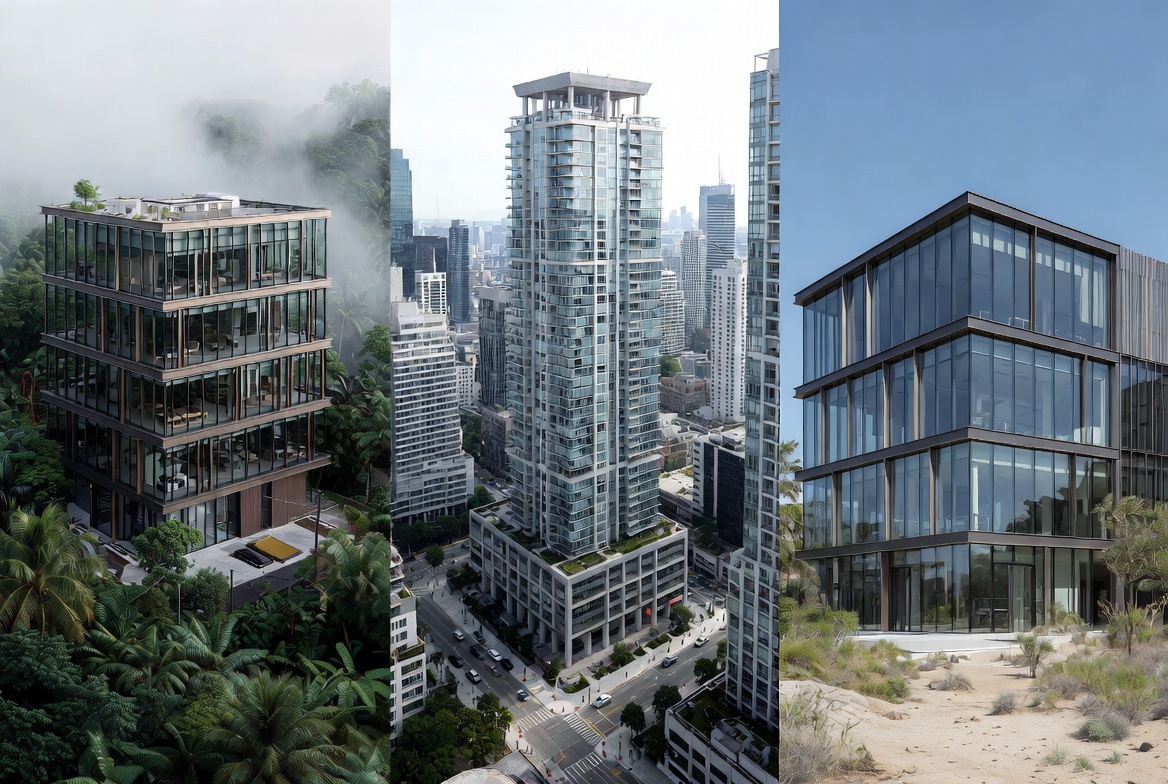
From a practitioner's standpoint, the most robust approach for passive house structural glazing in typical residential and mid-rise commercial projects is to prioritize powder coated thermal break aluminum frames as the primary solution, with solid steel reserved for critical structural elements that cannot be engineered effectively with aluminum alone. [m.ropowindows]
This combination supports:
- Reliable envelope performance in line with high-efficiency building standards.
- Predictable long-term maintenance in demanding climates.
- Design flexibility for architects and façade consultants who want large glazed areas with comfortable interior conditions. [sashwindows-london]
Q1: Can thermally broken aluminum frames achieve performance suitable for very cold climates?
High-quality thermally broken aluminum frames can reach Uf-values low enough for use in cold climate passive house projects when combined with appropriate glazing and airtight installation details. [sgl-doors-windows]
Q2: Where are solid steel frames most appropriate in high-performance buildings?
Solid steel frames are most appropriate in highly loaded structural glazing, tall façades, and situations where structural spans or architectural expression require steel's superior strength, provided thermal isolation strategies are carefully implemented. [f1composite]
Q3: Does powder coating affect the thermal performance of aluminum frames?
Powder coating primarily enhances surface durability and UV resistance; it does not significantly change the thermal conductivity of the aluminum itself, so overall thermal performance still depends on frame design and thermal breaks. [builtop.en.made-in-china]
Q4: How do condensation risks differ between thermally broken aluminum and solid steel frames?
Thermally broken aluminum frames maintain higher interior surface temperatures, reducing condensation risks at frame edges, whereas solid steel frames without adequate insulation tend to become cold spots prone to surface condensation. [database.passivehouse]
Q5: Are aluminum frames always preferable to steel in passive house designs?
Aluminum frames with effective thermal breaks are generally preferable for passive house glazing because they balance energy performance, durability, and cost, but steel may still be needed for specific structural applications that exceed aluminum's capacity. [era]
1. ROPO Windows – Thermally Broken Aluminium Windows and Doors in Sydney. https://m.ropowindows.com/case-detail/Thermally-Broken-Aluminum-Windows-and-Doors-in-Sydney_2383.html
2. Passive House Accelerator – Comparing Different Window and Door Material Options with IKON Windows. https://passivehouseaccelerator.com/
3. Sash Windows London – Passive House Window Frames: Which Materials Perform Best? https://sashwindows-london.com/sash-windows/installation/passive-house-window-frames-which-materials-perform-best/
4. F1 Composite – FRP vs Aluminum Windows — Thermal, Cost, PHIUS Data. https://www.f1composite.com/technology/frp-vs-aluminum-windows
5. SGL Doors & Windows – Passive House Windows: How Aluminum Systems Meet PHI Certification in 2026. https://www.sgl-doors-windows.com/news/passive-house-windows-how-aluminum-systems-me-85527247.html
6. Passive House Institute Component Database – Window Frames. https://database.passivehouse.com/en/components/list/window
7. ERA Architects – Why Is the Window Frame So Important in a Positive House? https://era.archi/en/window-frame-in-a-positive-house/
8. Made-in-China – Passive House Thermal Break Aluminum Frame Double Glazed Windows. https://builtop.en.made-in-china.com
9. ORM Windows – Energy Efficient Thermal Break Aluminum Windows. https://ormwindows.com/products/energy-efficient-customized-thermal-break-aluminum-window/


