Language


Views: 277 Author: Yinda Powder Coating Publish Time: 2026-08-07 Origin: Site


Content Menu
● What Powder Coating Colors Are
>> Solid Colors
>> Textured and Antique Finishes
● How to Choose the Right Color
>> 3. Match the finish to the function
>> 4. Confirm the color under real light
>> 5. Align with lifecycle goals
● Performance and Sustainability
● Expert View From Yinda Technology
● A Better Specification Process
● FAQ
>> 1. What are powder coating colors?
>> 2. Which powder coating finish hides imperfections best?
>> 3. What is the best powder coating color for outdoor use?
>> 4. Can powder coating colors be customized?
>> 5. Why do some colors look different after curing?
>> 6. Is powder coating environmentally friendly?
Choosing the right powder coating colors is not only a design decision; it is also a performance decision that affects durability, weather resistance, maintenance, and brand perception. For manufacturers, fabricators, and specifiers, the best color is the one that performs reliably in its real-world environment while still delivering the visual effect the project demands.
Powder coating has become a preferred finishing method across architectural profiles, doors and windows, new energy vehicles, medical equipment, hardware, and electrical appliances because it combines color flexibility with strong protective performance. In today's market, the most competitive coating solutions are expected to support both aesthetics and technical reliability, especially in outdoor, high-touch, and corrosion-prone applications.
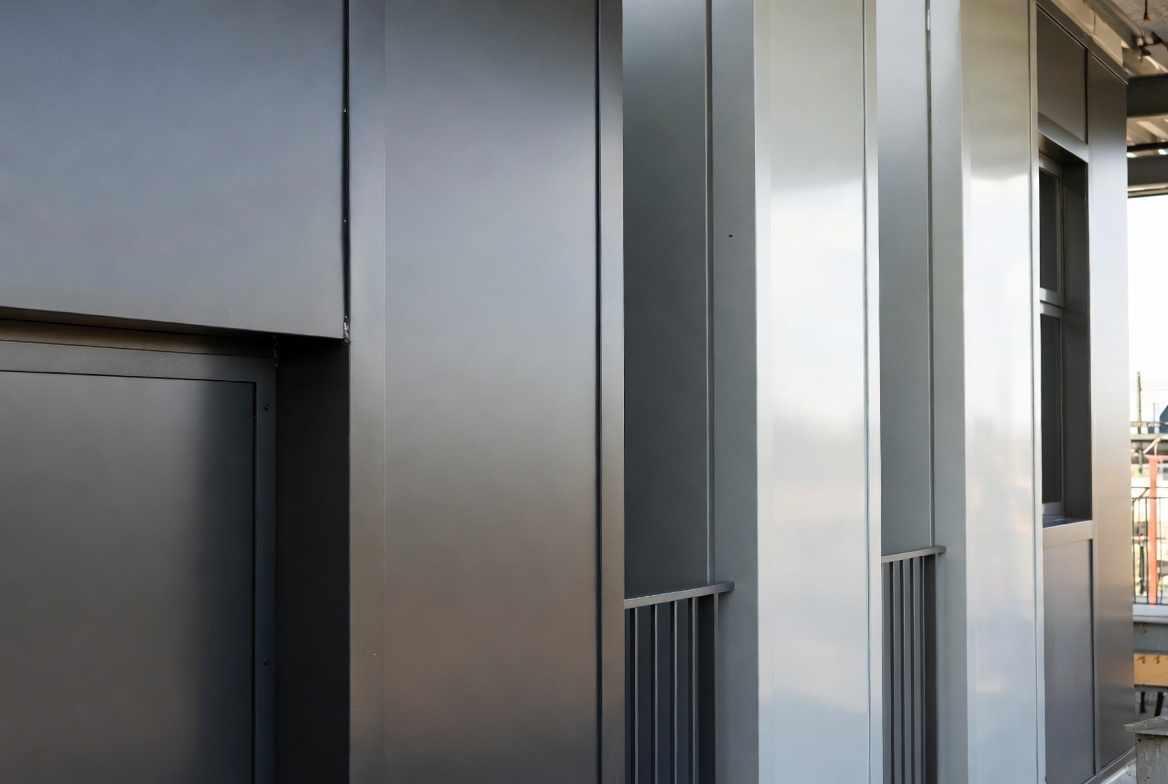
Powder coating colors are dry, pigment-based finishes applied electrostatically and cured under heat to form a durable protective layer. Unlike conventional liquid paint, powder coating does not rely on solvents, which helps reduce emissions and improve environmental performance. That makes it especially relevant for manufacturers seeking cleaner finishing processes and more efficient production workflows.
In practical terms, powder coating colors are available in thousands of shades and effects, including solid colors, metallics, satin, matte, gloss, textured, antique, and specialty finishes. This flexibility allows manufacturers to match corporate identity, improve product appearance, and still meet the technical requirements of different end-use sectors.
Color influences more than appearance. It can affect perceived quality, product positioning, surface defect visibility, and how well a coated part fits its environment. Darker tones and metallic finishes can help hide minor surface imperfections, while satin and matte finishes often create a more industrial, premium look.
For outdoor architecture and industrial equipment, color selection must also account for UV exposure, thermal movement, corrosion resistance, and maintenance cycles. In hot climates, heat-reflective or cooler-color strategies can support comfort and energy-saving goals, which is increasingly important in building-related applications.
Powder coating colors are usually defined not only by hue but also by finish character. The same color can look completely different in gloss, satin, matte, or textured form, so both color and surface effect should be considered together.
Solid colors provide a uniform, clean appearance and are widely used in architectural and industrial products. They are a strong choice when consistency, branding, and visual simplicity matter most.
Metallic finishes create a reflective, premium look and are often used on automotive components, trims, and decorative hardware. They can make products feel more sophisticated, but they usually require tighter process control for consistent appearance.
Matte and satin finishes reduce glare and often hide surface irregularities better than high-gloss options. They are especially useful for furniture, appliances, railings, and industrial products that need a restrained, modern look.
Textured coatings add grip, visual depth, and scratch resistance, while antique finishes create a vintage or handcrafted effect. These finishes are often selected for decorative metalwork, furniture, and special architectural elements.
The best color choice starts with the application environment, not the catalog. A coating for interior office furniture has very different requirements from one used on a coastal façade, a window profile, or a medical device.
Start by asking whether the part will be used indoors, outdoors, or in a harsh environment. Outdoor items generally need stronger UV and weather resistance, while indoor parts can prioritize appearance, cost-efficiency, and smooth finishing.
The substrate matters because aluminum, galvanized steel, and carbon steel respond differently to pre-treatment and coating systems. For steel structures, the exposure category and intended service life should guide the coating specification.
If the product must look premium, consider gloss or metallic finishes. If the product must hide defects, reduce glare, or withstand frequent handling, satin, matte, or textured options are often smarter choices.
Samples should be evaluated under different lighting conditions because color perception changes with sunlight, shadow, and artificial light. A finish that looks ideal in a showroom may look very different on a production site or installed product.
For high-value projects, the color decision should support long-term service life, maintenance planning, and replacement cost reduction. This is especially important for architectural components, public infrastructure, and equipment exposed to demanding conditions.
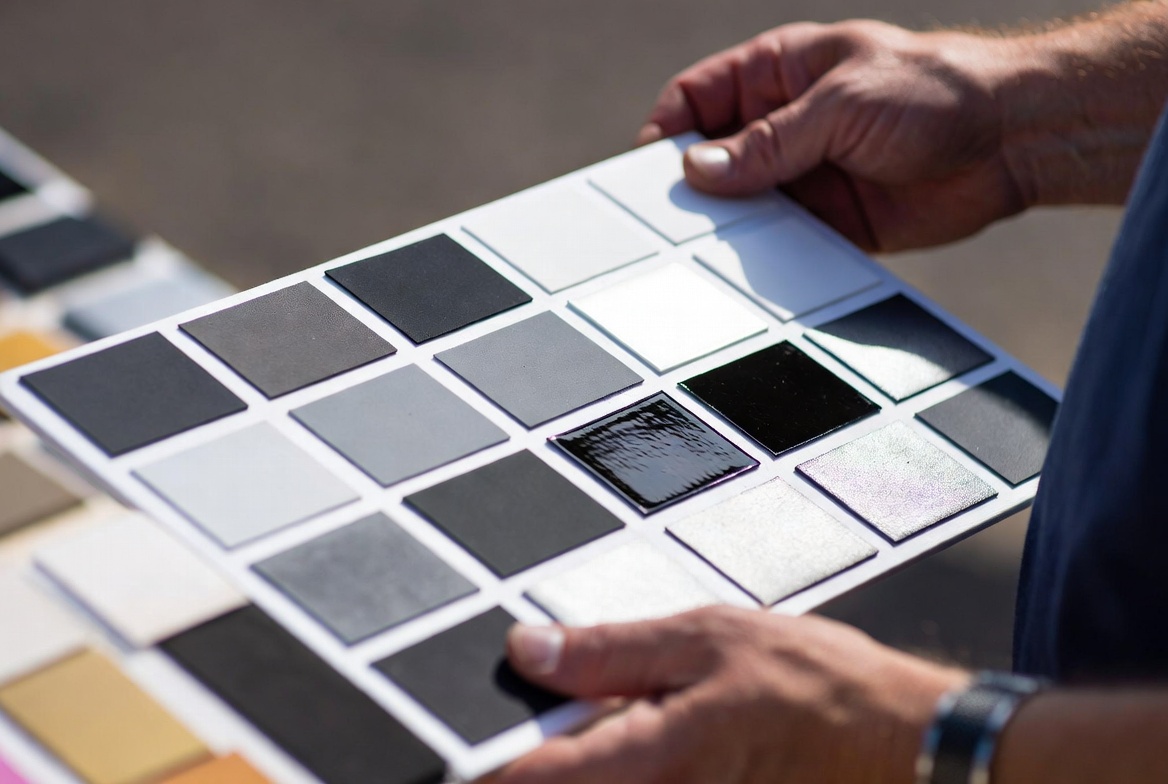
Powder coating colors are used across multiple industries because they combine design flexibility with reliable performance. The right system can help manufacturers differentiate products while improving durability and operational value.
| Industry | Common color needs | Practical considerations |
|---|---|---|
| Architecture | Neutral, metallic, custom RAL tones | UV resistance, color retention, weather durability |
| Doors and windows | White, black, bronze, custom shades | Surface consistency, exterior durability |
| New energy vehicles | Brand-specific colors, metallics, premium finishes | Scratch resistance, visual quality, production consistency |
| Medical equipment | Clean, stable, functional finishes | Hygiene-oriented surfaces, long service life |
| Hardware and appliances | Matte, satin, black, white, textured | Wear resistance, easy cleaning, modern aesthetics |
In architecture, color is tied closely to durability and building identity, so premium systems are often selected for long-term visual stability. In industrial and consumer equipment, color also plays a role in usability and brand recognition, especially when products are sold globally.
Modern powder coating colors are expected to support both performance and sustainability goals. Powder coating is generally considered a cleaner finishing process because it produces very low VOC emissions and can reduce waste compared with solvent-based alternatives. This makes it highly relevant for manufacturers responding to stricter environmental expectations and more efficient production requirements.
The broader coatings market is also moving toward smarter, more functional, and more sustainable solutions, including antimicrobial, self-cleaning, energy-saving, and bio-based material development. For powder coating manufacturers, that means color is no longer just a decorative choice; it is part of a larger materials strategy built around durability, efficiency, and environmental responsibility.
Yinda Technology's background in powder coating and eco-friendly materials gives it a strong position in this space. The company was established in 2010 in Foshan and now serves industries including architectural profiles, doors and windows, new energy vehicles, medical equipment, hardware, and electrical appliances through operations in China, Indonesia, and the Middle East.
That regional footprint matters because color requirements often vary by market, climate, and application standard. A finish designed for a humid coastal project in Southeast Asia may need a different performance profile from one used in a dry inland industrial zone or on a high-exposure architectural project in the Middle East. In other words, the best color strategy is always application-driven, not trend-driven alone.
A strong coating specification should combine appearance, environment, substrate, and maintenance requirements. This prevents common failures such as premature fading, poor adhesion, mismatched sheen, or avoidable rework.
1. Define the end use and exposure level.
2. Select the substrate and pre-treatment route.
3. Choose the coating family based on durability needs.
4. Confirm the exact color, gloss level, and texture.
5. Test the sample under real lighting and service conditions.
6. Finalize cleaning, maintenance, and inspection guidance.
7. Work with qualified applicators when the project has warranty or performance requirements.
This approach saves time during production and reduces disputes after installation. It also helps buyers compare suppliers on technical merit rather than appearance alone.
The coating industry is moving toward more sustainable, functional, and performance-oriented products. That includes demand for lower-emission formulations, antimicrobial functionality, heat-management coatings, and more advanced resin systems.
For powder coating colors specifically, several trends are becoming more visible: warmer neutrals, deeper industrial tones, low-gloss premium finishes, and custom branding colors for export-focused manufacturers. These choices reflect a market that values both visual distinction and long-term practicality.
One common mistake is choosing a color from a digital screen and expecting the final coated part to look identical. Screen colors are approximate, while actual coatings change with light, texture, substrate, and batch variation.
Another mistake is selecting color before defining performance needs. For example, a beautiful finish with weak UV stability may work indoors but fail quickly outdoors. A third mistake is ignoring maintenance; even a durable coating performs better when cleaning procedures and inspection intervals are clearly defined.
The best powder coating colors are the ones that balance appearance, performance, and long-term value. For industrial and architectural projects, that means choosing a color system that is visually appealing, technically suitable, and aligned with the service environment.
At Yinda Technology, we recommend a specification process that starts with application conditions and ends with verified samples, clear maintenance guidance, and the right coating system for the job. For custom color matching, project consultation, or technical recommendations, Yinda Technology's team can support both standard and specialized coating requirements.
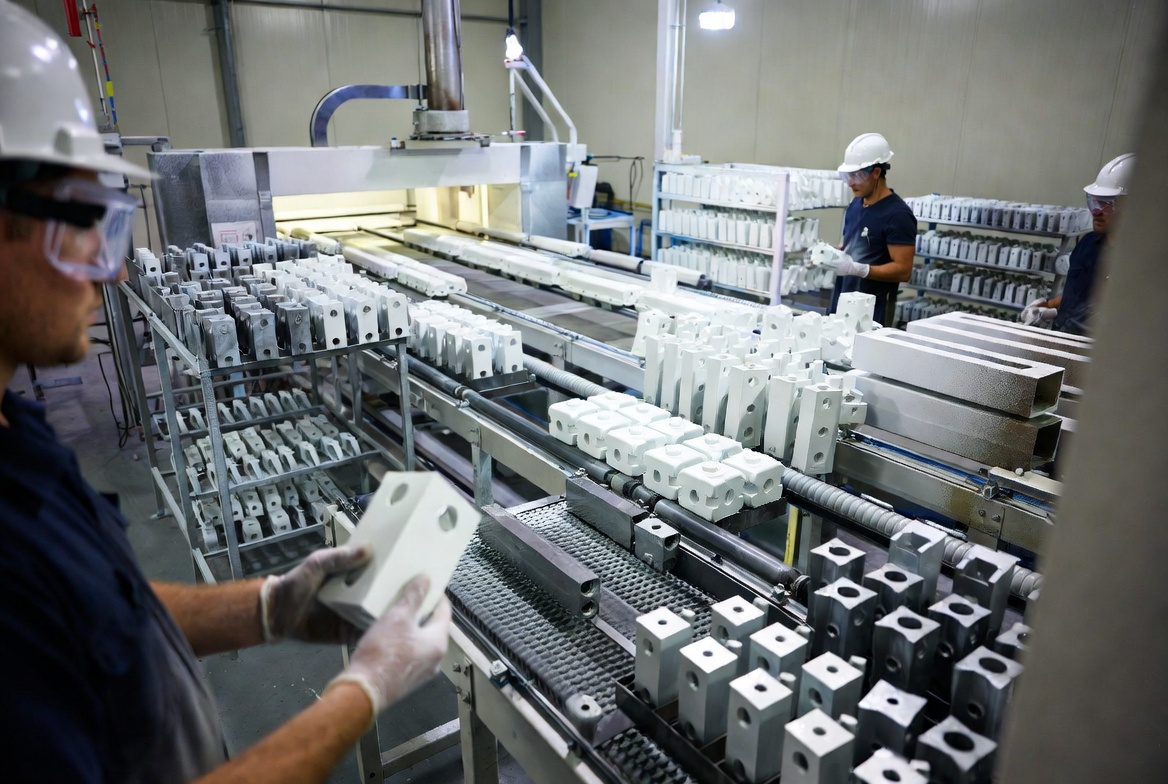
Powder coating colors are dry, pigmented finishes that are electrostatically applied and cured to form a durable protective coating.
Darker colors, matte finishes, and some metallic tones usually hide surface imperfections better than bright high-gloss finishes.
The best option depends on the project, but outdoor applications usually need colors and systems with strong UV and weather resistance.
Yes. Powder coating colors can be customized to match branding, design requirements, and specific industrial needs.
Color can shift because of curing conditions, gloss level, texture, substrate, and lighting during viewing.
Powder coating is generally more environmentally friendly than solvent-based paint because it has very low VOC emissions and supports more efficient material use.
- [Yinda Technology About Us] [yinda-global]
- [Axalta Coating Systems: 如何选择粉末涂料] [axalta]
- [Tips to Getting Color Right in the Powder Coating Industry] [hunterlab]
- [The coating industry in 2026] [coatingscoffeeshop]
- [Top trends in eco-friendly materials to watch in 2026] [taylormadelandscapes]
- [The Ultimate Guide to Powder Coating Colors] [arpowdercoating]
- [Powder Coating Colors: A Complete Guide for Your Project] [kromacoatings]


