Language


Views: 241 Author: Yinda Powder Coating Publish Time: 2026-09-13 Origin: Site


Content Menu
● Why Powder Coating Type Matters
● The Two Main Powder Coating Families
● Thermoset Powder Coatings for Industrial Products
>> Epoxy-Polyester Hybrid Powder Coating
>> Polyurethane Powder Coating
>> Fluoropolymer Powder Coating
● Thermoplastic Powder Coatings for Functional Protection
>> Polyethylene Powder Coating
● Powder Coating Type Comparison
● A Five-Step Method to Choose Powder Coating
>> 1. Define the Exposure Environment
>> 2. Identify the Substrate and Pretreatment
>> 3. Confirm Required Performance
>> 4. Match the Coating to Production Conditions
>> 5. Validate Through Application Testing
● Common Mistakes When Selecting Powder Coating
>> Using Indoor Hybrid Powder Outdoors
>> Ignoring Pretreatment Quality
>> Specifying More Performance Than Needed
● How Yinda Technology Supports Powder Coating Projects
● FAQ
>> What is the best powder coating for outdoor use?
>> What is the difference between epoxy and polyester powder coating?
>> Is epoxy-polyester hybrid powder coating suitable for doors and windows?
>> Can powder coating be applied to aluminum?
>> What causes powder coating to peel or blister?
>> How thick should powder coating be?
>> Can powder coating improve corrosion resistance?
>> Are powder coatings environmentally friendly?
Choosing the right powder coating type is not simply a color or gloss decision. For manufacturers, fabricators, and project owners, the coating system directly affects corrosion protection, weatherability, chemical resistance, appearance retention, production efficiency, and long-term maintenance cost.
At Yinda Technology, we work with customers across architectural profiles, doors and windows, new-energy vehicles, medical equipment, hardware, and electrical appliances. From this practical perspective, the best powder coating is the one that matches the substrate, service environment, curing capability, required finish, and applicable performance standard—not necessarily the coating with the highest initial specification.
This guide explains the differences between thermoset, thermoplastic, epoxy, polyester, epoxy-polyester hybrid, polyurethane, and fluoropolymer powder coatings. It also provides a practical selection method for industrial buyers and coating-line operators.

A powder coating is a dry finishing material applied to a prepared substrate, usually by electrostatic spray or fluidized-bed processes. During baking, the powder melts, flows, and forms a continuous protective film.
However, not all powders behave the same way after heat is applied.
Some coatings create a permanently cross-linked film. Others soften again when reheated. Some are optimized for outdoor ultraviolet exposure, while others deliver better chemical resistance, electrical insulation, impact resistance, or decorative appearance.
Choosing incorrectly can create expensive problems, including:
- Early chalking or fading on outdoor metal products
- Poor adhesion caused by incompatible pretreatment or substrate conditions
- Weak corrosion resistance in humid, coastal, or chemical environments
- Insufficient flexibility during bending, forming, or assembly
- Over-specification, which increases coating cost without delivering meaningful value
- Production defects, such as orange peel, pinholes, thin-film coverage, poor edge coverage, or under-cure
For example, a standard indoor epoxy-polyester hybrid may produce an attractive and economical finish on an office cabinet. But it is not the right long-term choice for an exterior aluminum window profile exposed to sunlight, rain, humidity, and temperature cycling.
The correct specification begins with the service environment—not with the color card.
Powder coatings are generally divided into thermoset powder coatings and thermoplastic powder coatings. Their key difference is what happens to the polymer when the coating is heated.
| Feature | Thermoset Powder Coating | Thermoplastic Powder Coating |
|---|---|---|
| Behavior during heating | Melts, flows, then chemically cross-links | Melts and flows without chemical cross-linking |
| Reheating after curing | Does not remelt into its original form | Can soften or remelt |
| Typical film character | Hard, durable, chemically resistant | Thick, flexible, impact-resistant |
| Typical coating thickness | Often used in thinner decorative films | Often used in thicker functional films |
| Common examples | Epoxy, polyester, hybrid, polyurethane, acrylic, fluoropolymer | Nylon, polyethylene, PVC |
| Common applications | Architectural metal, appliances, furniture, automotive parts, machinery | Wire goods, racks, valves, playground equipment, corrosion barriers |
Thermoset systems are widely used when manufacturers need a decorative finish combined with durable performance. Thermoplastic systems are often selected where flexibility, thicker coating build, abrasion resistance, or special functional protection is the priority.
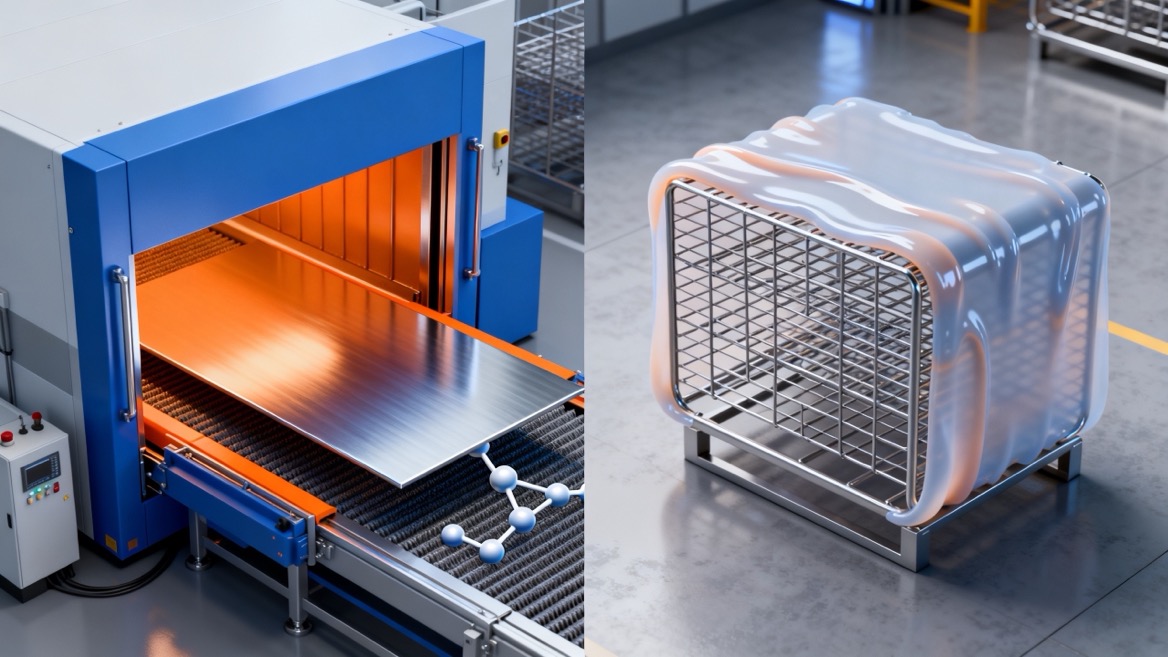
Thermoset powder coatings undergo an irreversible cross-linking reaction during curing. Once the coating reaches its specified metal temperature and cure time, the resin network becomes permanent.
This structure gives thermoset coatings their characteristic hardness, adhesion, solvent resistance, and durability.
Epoxy powder coating is known for strong adhesion, excellent corrosion resistance, and very good chemical resistance. It is commonly used in indoor industrial environments or as a primer layer within multi-coat protection systems.
Epoxy powders are especially valuable when corrosion protection is more important than exterior appearance retention.
Typical applications include:
- Industrial machinery and equipment
- Steel pipes and fittings
- Reinforcing bars and protective components
- Electrical cabinets and enclosures
- Automotive underbody components
- Laboratory furniture and selected medical equipment
- Interior metal furniture
The main limitation is outdoor durability. Standard epoxy coatings may chalk or lose gloss under prolonged ultraviolet exposure. Therefore, epoxy should not normally be the final exterior finish for architectural aluminum, outdoor fencing, façade components, or sun-exposed vehicle parts.
Expert selection note: Epoxy is often the right answer for aggressive indoor conditions, but not for long-term decorative outdoor exposure.
Polyester powder coating is one of the most widely used solutions for outdoor metal products. It offers a practical balance of weatherability, mechanical durability, color selection, processability, and cost control.
For exterior applications, polyester is frequently chosen because it has better ultraviolet resistance and gloss retention than standard epoxy systems.
Common uses include:
- Aluminum doors and windows
- Architectural aluminum profiles
- Outdoor furniture
- Metal gates and railings
- Garden products
- Lighting housings
- Outdoor electrical cabinets
- Solar mounting structures
- General metal fabrication
Polyester powder can be formulated in many surface finishes, including smooth gloss, matt, satin, texture, sand texture, hammer effect, metallic, and special-effect finishes.
For projects with demanding sunlight exposure, users should compare standard durable polyester with super-durable polyester powder coating. Super-durable formulations are designed for higher levels of outdoor color and gloss retention, making them a stronger fit for architectural and infrastructure applications where visual appearance must remain stable over a longer service life.
Epoxy-polyester hybrid powder coating combines attributes of epoxy and polyester resins. It is a highly practical option for indoor products where attractive appearance, good mechanical performance, and cost efficiency matter.
Hybrids generally provide:
- Good adhesion
- Good hardness
- Good decorative appearance
- Suitable flow and leveling
- Broad color and gloss options
- Efficient production performance
- Competitive cost for volume manufacturing
Common applications include:
- Office furniture
- Filing cabinets
- Storage systems
- Shelving
- Household appliances
- Indoor lighting fixtures
- Metal racks
- Electrical appliances
- Consumer hardware
The critical limitation is exterior exposure. Although hybrid coatings can offer useful indoor durability, they are generally less suitable than polyester or fluoropolymer systems for prolonged outdoor ultraviolet exposure.
A simple rule is useful: choose hybrid powder for indoor general-use products; choose polyester-based systems for outdoor products.
Polyurethane powder coating is often specified where surface appearance, chemical resistance, abrasion resistance, and smooth flow are important. It can deliver a refined finish with strong gloss, excellent film smoothness, and good resistance to certain chemicals.
It is commonly considered for:
- Automotive accessories and trim
- High-end metal furniture
- Sports and fitness equipment
- Selected appliance components
- Industrial parts requiring premium appearance
- Decorative metal products
- Components exposed to moderate chemical contact
Polyurethane powder coatings can support premium visual requirements, but they may require more careful process control than general-purpose systems. Manufacturers should confirm curing requirements, oven temperature capability, film thickness, and part geometry before finalizing the specification.
Fluoropolymer powder coating is designed for demanding architectural and exterior applications where long-term color retention, gloss retention, and weather resistance are critical.
It is often considered for:
- Curtain wall systems
- High-end aluminum profiles
- Landmark buildings
- Exterior façade panels
- Airport and transportation structures
- Coastal construction projects
- Premium architectural windows and doors
Compared with conventional polyester powder coating, fluoropolymer systems are typically selected when the project requires a higher level of exterior durability. They are particularly relevant in environments with intense ultraviolet exposure, high temperature, humidity, industrial pollution, or salt-laden air.
Because these systems usually involve higher material cost and stricter processing requirements, they should be selected according to the project's actual exposure conditions and warranty expectations.
Unlike thermoset coatings, thermoplastic powder coatings do not form irreversible chemical cross-links during heating. They melt when heated and solidify as they cool. When reheated, they can soften again.
This gives thermoplastic powders distinctive advantages in flexibility, impact resistance, thickness build, and functional surface protection.
Nylon powder coatings are valued for toughness, abrasion resistance, low friction, and impact resistance. They are commonly used where coated parts experience repeated contact, movement, wear, or mechanical stress.
Typical applications include:
- Conveyor components
- Wire baskets
- Automotive parts
- Gears and mechanical components
- Tool handles
- Metal racks
- Food-service components where suitable compliance requirements are met
Polyethylene powder coating can provide useful chemical resistance, moisture resistance, and electrical insulation. It is often applied in thicker films for functional protection.
Common uses include:
- Wire products
- Metal shelving
- Outdoor furniture
- Protective barriers
- Pipe-related components
- Playground equipment
- Electrical and industrial parts
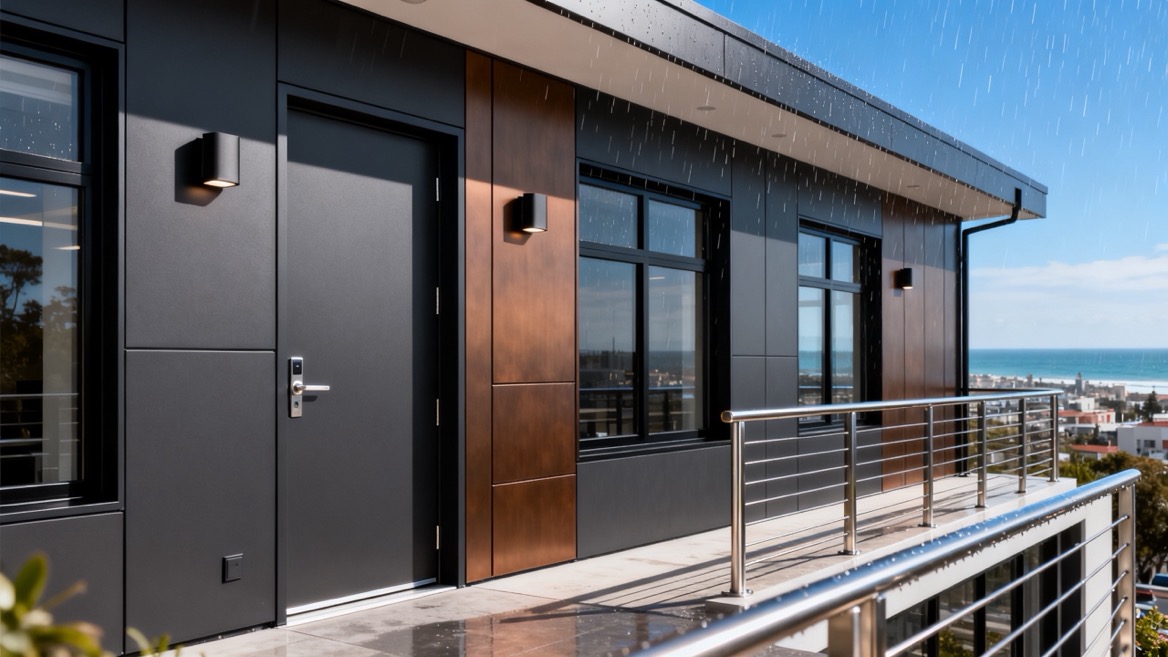
PVC-based powder coatings can provide flexibility, chemical resistance, and electrical insulation. They are often used on wire goods, tool handles, baskets, and certain industrial products.
Material selection should account for the operating temperature, required flexibility, chemical exposure, and applicable regulatory requirements for the final product category.
The following table provides a practical starting point for selecting a powder coating system.
| Powder Coating Type | Best Strengths | Main Limitation | Recommended Applications |
|---|---|---|---|
| Epoxy | Adhesion, corrosion resistance, chemical resistance | Limited outdoor ultraviolet durability | Pipes, industrial equipment, electrical cabinets, interior components |
| Polyester | Weatherability, broad color range, cost-performance balance | May not meet the highest architectural durability requirements | Doors, windows, outdoor furniture, fencing, lighting housings |
| Super-durable polyester | Enhanced outdoor color and gloss retention | Higher cost than standard polyester | Architectural profiles, premium exterior products, solar structures |
| Epoxy-polyester hybrid | Indoor appearance, hardness, value | Not ideal for sustained exterior exposure | Appliances, shelving, office furniture, electrical products |
| Polyurethane | Premium flow, chemical resistance, abrasion resistance | More demanding processing and cost considerations | Automotive trim, premium furniture, high-end industrial parts |
| Fluoropolymer | Long-term exterior weatherability | Higher cost and stricter specifications | Curtain walls, premium façades, coastal and landmark projects |
| Nylon | Toughness, abrasion resistance, low friction | Limited decorative options compared with thermosets | Wire goods, conveyors, mechanical parts, racks |
| Polyethylene | Thick-film protection, moisture and chemical resistance | Can soften under elevated heat conditions | Wire products, shelving, outdoor functional components |
| PVC | Flexibility and electrical insulation | Application and service-temperature limitations | Tool handles, baskets, wire products, protective coatings |
The most reliable way to select a powder coating is to evaluate the complete product and operating condition before choosing resin chemistry.
Ask where the finished product will be used.
- Indoor and climate-controlled
- Indoor industrial environment
- Outdoor urban environment
- High-ultraviolet region
- Coastal or high-humidity environment
- Chemical-processing environment
- High-wear or impact-prone environment
For outdoor architectural products, weatherability should be prioritized. For industrial machinery, chemical resistance and corrosion protection may take priority. For wire goods or racks, flexibility and impact resistance may be more important.
The coating must work with the base material and pretreatment process.
Common substrates include:
- Steel
- Galvanized steel
- Aluminum
- Zinc alloy
- Cast aluminum
- Stainless steel
- Heat-resistant plastics
- MDF or engineered wood, using low-temperature technologies where appropriate
A powder coating cannot compensate for poor surface preparation. Oil, oxide, salt residue, poor conversion coating, moisture contamination, or improper pretreatment can significantly reduce adhesion and corrosion performance.
For metal substrates, the full system matters: substrate + pretreatment + powder coating + curing control.
Translate product requirements into measurable performance targets.
Examples include:
- Film thickness
- Gloss level
- Color tolerance
- Adhesion
- Impact resistance
- Flexibility
- Pencil hardness
- Salt-spray resistance
- Humidity resistance
- Chemical resistance
- Weathering performance
- UV resistance
- Scratch resistance
For example, a new-energy vehicle component may require a combination of corrosion protection, chip resistance, appearance stability, and controlled surface texture. A medical-equipment housing may prioritize cleanability, chemical resistance, smooth appearance, and a finish compatible with the intended cleaning process.
Even a well-designed powder coating will underperform if the production line cannot consistently meet its processing window.
Before approval, check:
- Oven type and heat distribution
- Part metal temperature
- Cure time at temperature
- Part thickness and geometry
- Spray-gun settings
- Grounding quality
- Booth recovery system
- Target film thickness
- Humidity and storage conditions
- Recoat and color-change requirements
An experienced powder coating manufacturer should help customers assess both the coating formula and the line conditions. This is especially important when moving from conventional products to low-temperature curing, high-weatherability, metallic, textured, thin-film, or special-function powders.
Do not rely only on a laboratory panel when the coated part has complex geometry, sharp edges, weld zones, deep recesses, or mixed thickness.
A practical qualification process should include:
1. Sample coating on the actual substrate.
2. Measurement of dry-film thickness.
3. Cure verification based on part metal temperature.
4. Visual review for flow, gloss, texture, color, and coverage.
5. Adhesion and impact testing.
6. Corrosion or humidity testing where required.
7. Assembly and handling trials.
8. Final approval against the product's real service conditions.
This process reduces the risk of approving a coating that looks correct in a sample card but fails during fabrication, installation, transport, or field use.
Color is important, but it should not be the starting point. A dark matte exterior architectural coating, a glossy appliance finish, and a textured industrial cabinet finish may look similar on a small panel while requiring very different resin systems and performance levels.
This is one of the most common avoidable errors. Hybrid powders are efficient for many indoor applications, but sustained sunlight can lead to visible appearance degradation over time.
For outdoor use, polyester, super-durable polyester, or fluoropolymer systems are normally more suitable choices.
Poor pretreatment can cause coating failure even when the selected powder has excellent laboratory properties. Adhesion loss, corrosion creep, blistering, and edge failure often begin with surface contamination or inadequate conversion coating.
A high-end coating system is not automatically the best commercial choice. If a product will be used indoors in a controlled environment, a premium exterior fluoropolymer may create unnecessary cost.
The goal is not to purchase the most expensive powder. The goal is to specify the right coating system for the expected service life and environment.
Yinda Technology develops and manufactures powder coatings and environmentally focused materials for customers in China, Indonesia, Saudi Arabia, and international markets. Our product solutions serve architectural profiles, doors and windows, new-energy vehicles, medical equipment, hardware, electrical appliances, and other industrial sectors.
For a successful project, our technical approach focuses on more than supplying powder. We help customers evaluate:
- Product application and service environment
- Required color, gloss, texture, and special effects
- Substrate and pretreatment compatibility
- Curing conditions and production-line capability
- Outdoor durability and corrosion-protection targets
- Functional requirements such as low-temperature curing, texture, wear resistance, or chemical resistance
- Cost-performance balance for long-term production
Whether you need a durable powder coating for architectural aluminum, a cost-effective hybrid for appliances, a corrosion-resistant epoxy system, or a specialized solution for demanding industrial components, the right technical discussion should begin before mass production.
Contact Yinda Technology to discuss your substrate, application environment, desired finish, and target performance. Our team can help you identify a powder coating system that supports both product quality and manufacturing efficiency.
Polyester powder coating is a common choice for outdoor metal products because it offers good weatherability and ultraviolet resistance. For more demanding architectural projects, super-durable polyester or fluoropolymer powder coating may be more suitable.
Epoxy powder coating typically provides stronger chemical resistance and corrosion resistance, especially for indoor industrial uses. Polyester powder coating generally provides better weatherability and is more suitable for outdoor exposure.
It may be suitable for indoor metal components, but it is generally not the preferred choice for exterior doors, windows, or architectural profiles exposed to sunlight. Polyester-based exterior-grade systems are usually a better option.
Yes. Powder coating is widely used on aluminum profiles, doors, windows, curtain walls, lighting components, and fabricated aluminum products. Proper cleaning and pretreatment are essential for adhesion and corrosion resistance.
Common causes include poor surface preparation, oil or moisture contamination, insufficient pretreatment, incorrect curing conditions, inadequate grounding, poor film thickness control, and incompatible coating systems.
Required thickness depends on the coating type, substrate, application method, product geometry, and performance target. The correct dry-film thickness should be established in the product specification and verified during production.
Yes. A properly selected and correctly applied powder coating can provide a protective barrier against moisture, chemicals, and corrosion. Results depend on the entire system, including substrate quality, pretreatment, film thickness, curing, and service environment.
Powder coatings are generally formulated without the liquid solvents used in many conventional liquid coatings. Powder overspray can also be collected and reused in suitable recovery systems, helping improve material utilization. In some powder-coating processes, transfer efficiency can be very high because recoverable overspray is returned to the system..pdf)
1. Kroma Coatings. "[Key Differences in Powder Coating Powder Types]."
2. United States Environmental Protection Agency. "[Control of Volatile Organic Emissions from Existing Stationary Sources—Volume VI: Surface Coating of Miscellaneous Metal Parts and Products].pdf)."
3. United States Environmental Protection Agency. "[AP-42, Chapter 4.2.2.11: Large Appliance Surface Coating]."
4. United States Environmental Protection Agency. "[Pollution Prevention in Metal Painting and Coating Operations]."
5. Sundial Powder Coating. "[Thermoset vs Thermoplastic Powder Coatings]."
6. Keystone Koating. "[Thermoplastic vs. Thermoset Powder Coatings]."


