Language


Views: 258 Author: Yinda Powder Coating Publish Time: 2026-07-09 Origin: Site


Content Menu
● Understanding Marine-Grade Aluminum Windows
● What Is Pre-Anodization + Powder Coating?
● What Is Standard Chrome-Free Conversion Coating?
● Key Performance Comparison: Durability, Corrosion Resistance, and UV Stability
● Environmental and Regulatory Considerations
● Design Flexibility, Aesthetics, and Brand Differentiation
● Lifecycle Cost, Warranty Risk, and Maintenance
● Practical Selection Framework for Marine Projects
● Expert Insight: Where Yinda Technology Adds Value
● UX-Focused Takeaways for Window OEMs and Specifiers
● Call to Action: Optimize Your Marine-Grade Window Finish
● FAQs
Pre-anodization combined with powder coating offers a more robust, corrosion-resistant, and design-flexible finishing route for marine-grade aluminum windows than standard chrome-free conversion coatings, especially when long-term durability, color stability, and environmental performance are critical in coastal and offshore projects. For manufacturers and façade system owners targeting premium building envelopes in harsh marine climates, the choice between these two systems directly impacts lifecycle cost, warranty risk, and end-user satisfaction. [rapidefficient]
Marine-grade aluminum windows are engineered for coastal, offshore, and high-humidity environments where salt spray, UV exposure, and wind-driven rain are constant threats. In these conditions, bare aluminum or inadequately treated profiles will corrode, pit, and lose structural integrity over time, leading to air and water leakage, aesthetic degradation, and higher maintenance cost. [alugreat]
From my perspective as an industry practitioner working with OEM window system manufacturers and façade contractors, the surface finish has become as critical as the profile design and glazing specification in modern marine projects. Architects and owners now expect long-term color stability, consistent gloss, and proven performance against international standards such as ISO and AAMA for aluminum finishes. [chinapowdercoating]
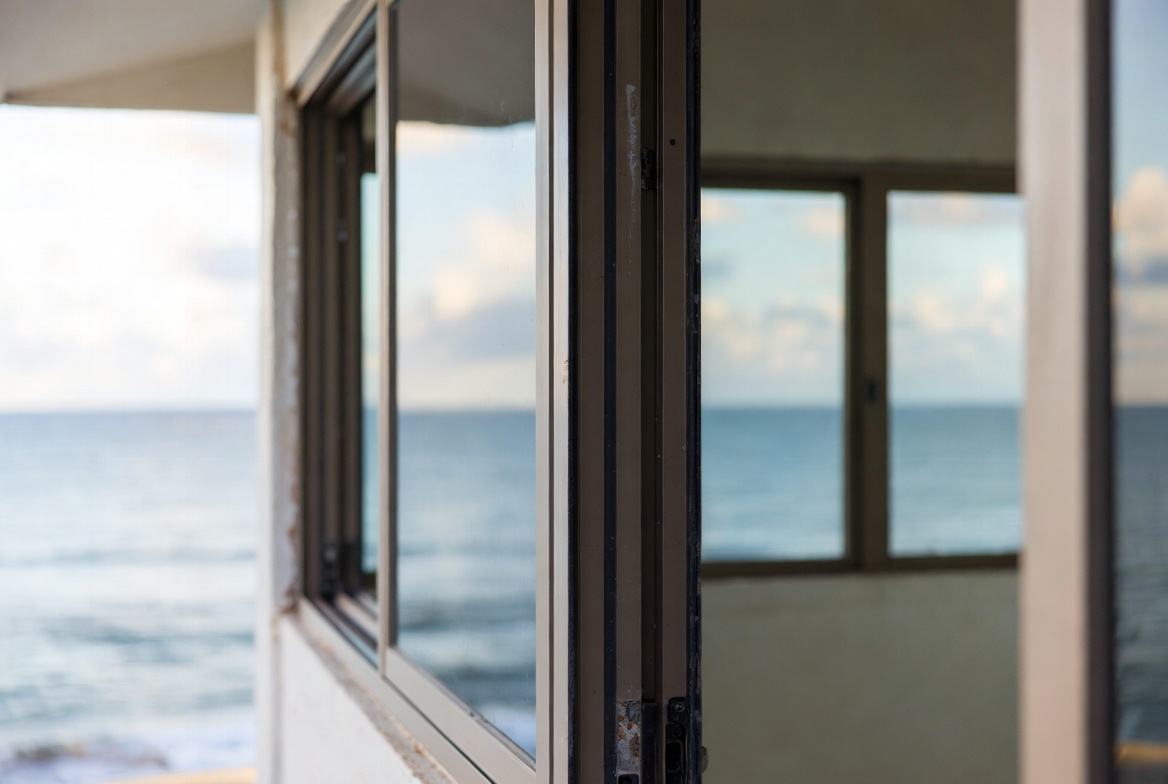
Pre-anodization is an electrochemical process that converts the aluminum surface into a controlled oxide layer, increasing hardness, corrosion resistance, and adhesion. This anodic layer is typically tightly bonded to the substrate and can be specified to certain thickness ranges for marine applications, providing a highly engineered base for subsequent coatings. [rapidefficient]
When you add powder coating on top, you build a two-step system: a hard anodic base plus a thick, uniform organic film that delivers color, texture, and additional environmental protection. Powder coating is a dry finishing process cured under heat, capable of creating thicker and more consistent layers than most liquid paints, with excellent resistance to chipping, scratching, fading, and chemical attack. [chinapowdercoating]
For marine-grade windows, this hybrid approach is often chosen by high-end façade makers who need a combination of engineered metallic durability and design freedom in color, finish, and branding. [alugreat]
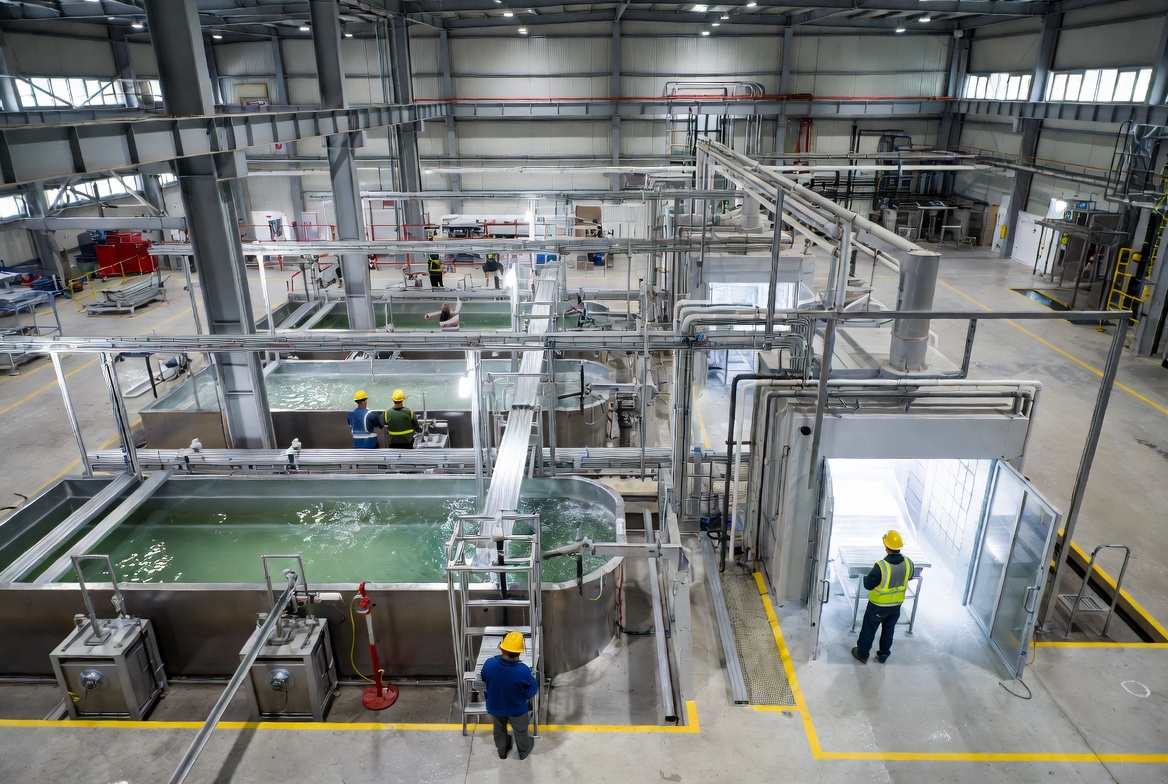
Chrome-free conversion coatings are chemical treatments applied to aluminum to improve paint or powder adhesion and provide basic corrosion resistance, without using hexavalent chromium. They are designed as an environmentally friendlier alternative to traditional chromate conversion, meeting increasing regulatory pressure in global markets and supporting sustainable manufacturing strategies. [alugreat]
In a typical marine-grade window finishing line, a chrome-free conversion layer is used as a pretreatment before powder coating or paint, aiming to balance performance, environmental compliance, and process cost. These treatments can be effective, but their corrosion protection and mechanical robustness generally rely heavily on the quality and thickness of the subsequent organic coating. [chinapowdercoating]
Below is a practical, experience-driven comparison of Pre-Anodization + Powder Coating vs. Standard Chrome-Free Conversion for marine-grade aluminum windows, integrating both field observations and published industry data. [rapidefficient]
| Aspect | Pre-Anodization + Powder Coating | Standard Chrome-Free Conversion + Coating |
|---|---|---|
| Corrosion resistance in salt spray | Higher due to anodic oxide plus thick powder layer, often meeting stringent marine and architectural test hours. (rapidefficient) | Moderate to high, depending on process control and coating thickness; performance more variable in aggressive coastal exposure. (alugreat) |
| Surface hardness and wear | Superior hardness from anodic layer, improving scratch resistance on exposed frames and sashes. (rapidefficient) | Lower hardness; relies mainly on organic coating film for abrasion resistance. (alugreat) |
| UV and color stability | Strong protection when combined with high-quality exterior-grade powders; suitable for long-term façade aesthetics. (rapidefficient) | Acceptable with good powders, but more sensitive to process variations and edge conditions in harsh sunlight. (alugreat) |
| Layer thickness and uniformity | Anodic layer plus powder film delivers predictable thickness and robust coverage over complex profiles. (rapidefficient) | Powder or paint thickness is critical; pretreatment layer is thin and offers limited physical barrier. (alugreat) |
| Risk of filiform corrosion at cut edges | Reduced by anodic barrier and quality coating, when edge preparation and sealing are well managed. (rapidefficient) | Higher risk if pretreatment or coating application is inconsistent, especially on sharp corners and fabrication marks. (alugreat) |
From an expert manufacturing point of view, pre-anodization plus powder coating consistently delivers a more controlled and repeatable protection system for marine windows when process parameters are tightly managed. Chrome-free conversion systems can perform well, but they demand stricter quality assurance and are less forgiving of pretreatment or application problems in aggressive coastal climates. [rapidefficient]
Environmental performance is now a decisive factor in façade system selection, driven by green building certifications and regional regulations. Powder coating is widely recognized as a more environmentally friendly finishing process than many solvent-based paints, emitting minimal volatile organic compounds (VOCs) and allowing high transfer efficiency with the potential to recycle overspray. [alugreat]
Chrome-free conversion coatings were developed to replace traditional chromates, which raised concerns about toxicity and waste management. While chrome-free systems improve health and safety profiles, they still require careful control of wastewater and chemical handling in large-scale window production plants. [chinapowdercoating]
When pre-anodization is used with modern powders, the overall finish can meet demanding environmental criteria while maintaining high performance, particularly when combined with energy-efficient curing technologies and optimized application lines. From a sustainability and occupational health perspective, a well-designed pre-anodization + powder coating system is often preferred by international façade manufacturers and marine-project specifiers. [rapidefficient]
Marine-grade aluminum windows are increasingly part of the architectural expression of a building, not just functional openings. Powder coating offers a broad spectrum of colors, textures, and special effects, including metallics, mattes, and fine textures that can visually differentiate a façade system without compromising durability. [alugreat]
Anodizing alone is more limited in color variety but excels in premium metallic appearance; by combining pre-anodization with powder coating, manufacturers can achieve deep, stable colors over a structurally robust metallic base. Chrome-free conversion coatings, by contrast, are invisible pretreatments that do not directly influence aesthetics; they simply aim to support whatever organic finish is applied. [chinapowdercoating]
For OEM window brands seeking strong visual identity in coastal markets, the hybrid route allows consistent corporate colors and special textures that remain stable under intense sunshine and salt-laden winds. This is particularly valuable in large resort, marina, and seafront residential projects where façade appearance is closely tied to property value and brand perception. [rapidefficient]
The initial cost of pre-anodization plus powder coating is typically higher than a simple chrome-free conversion plus coating system due to additional process steps and equipment requirements. However, over the full lifecycle of marine-grade windows, the total cost of ownership often favors the more robust two-step system, as it reduces premature failures, repainting, and reputational risk for OEMs and developers. [alugreat]
In field projects, windows finished with a strong anodic base and high-quality powder show fewer instances of edge corrosion, blistering, and color fading when exposed to constant salt spray and UV radiation. As a result, warranty claims are lower and maintenance cycles can be extended, which directly impacts both the façade contractor's risk profile and the building owner's operating budget. [chinapowdercoating]
From a user experience standpoint, residents and facility managers appreciate stable appearance and low maintenance, particularly in high-rise coastal buildings where access for window repair is complex and expensive. [alugreat]

For specifiers, procurement teams, and window system designers, choosing between these two finishing routes should be based on a structured assessment rather than price alone. A practical framework includes: [chinapowdercoating]
1. Environmental exposure level
- Extreme coastal or offshore platform exposure generally favors pre-anodization plus powder coating for maximum barrier protection. [rapidefficient]
2. Design and branding requirements
- Complex colors, textures, or corporate brand finishes benefit from the flexibility of high-performance powder coatings over engineered anodic bases. [rapidefficient]
3. Warranty duration and performance standards
- Long warranties aligned with strict ISO or AAMA standards typically justify the higher upfront processing cost of hybrid systems. [alugreat]
4. Process capability and quality control
- Plants with advanced pretreatment lines and strict QA can extract more value from both approaches, but pre-anodization offers greater robustness when applied consistently. [chinapowdercoating]
In practice, experienced marine façade specialists tend to specify pre-anodization + powder coating for projects where failure is not acceptable and where long-term aesthetics are integral to building value. [rapidefficient]
As a professional powder coating manufacturer focused on R&D, eco-friendly materials, and energy-efficient technologies, Yinda Technology can support both routes but offers particular strength in the hybrid system design for marine-grade aluminum windows. By tailoring powder formulations, curing schedules, and pretreatment recommendations to local environmental conditions in China, Indonesia, and Saudi Arabia, Yinda helps window OEMs and façade contractors achieve repeatable, high-performance finishes across diverse climates. [made-in-china]
This includes:
- Supporting pre-anodization plus powder coating specifications for coastal projects requiring premium salt-spray and UV resistance. [alugreat]
- Advising on chrome-free pretreatment integration where regulatory or process factors dictate conversion-based systems, while optimizing powder choice and application for marine exposure. [chinapowdercoating]
From an expert perspective, the combination of innovative powder chemistries, sustainability-focused materials, and robust process guidance is what allows Yinda's partners to move beyond generic window finishes and deliver truly marine-grade performance at scale. [yinda-global]
For readers responsible for product management, façade design, or procurement, the following practical points can guide decisions:
- Prioritize corrosion and UV data for marine projects, not just marketing claims. Request salt spray test hours, adhesion tests, and outdoor exposure results for both finishing routes. [rapidefficient]
- Consider the user experience over the full building lifecycle: low maintenance, stable color, and reduced repainting effort often justify higher initial process investments. [alugreat]
- Align finish choice with brand positioning: premium residential or hospitality projects near the sea usually benefit from the added reliability of pre-anodization plus powder coating, especially when façade aesthetics are central to the design concept. [chinapowdercoating]
By approaching the finishing decision as a strategic UX and brand choice rather than a commodity purchase, window manufacturers and specifiers can unlock long-term value that goes far beyond the cost per meter of aluminum profile. [alugreat]
If you are evaluating finishing options for marine-grade aluminum windows or façade systems, now is the time to benchmark your current specification against pre-anodization + powder coating and standard chrome-free conversion routes. Review your salt spray performance data, warranty commitments, and maintenance assumptions, then align them with the environmental reality of your target projects. [rapidefficient]
Yinda Technology can help you design and implement a finishing strategy that balances durability, aesthetics, regulatory compliance, and process efficiency across your production sites in different regions. Reach out to your technical coating partner to discuss project requirements, test data, and tailored powder solutions for true marine-grade performance. [linkedin]
1. Is pre-anodization always necessary for marine-grade aluminum windows?
Pre-anodization is not mandatory, but it significantly enhances hardness and corrosion resistance, especially when combined with high-performance powder coatings in coastal environments. [chinapowdercoating]
2. Are chrome-free conversion coatings sufficient for severe coastal exposure?
Chrome-free conversion coatings can perform well with the right powder and strict quality control, but they generally offer less robust barrier protection than anodic layers in extremely harsh marine environments. [alugreat]
3. Do powder coatings used over pre-anodization need special formulations?
Marine-grade applications typically benefit from exterior-grade powders with enhanced UV and chemical resistance, selected and tested specifically for coastal exposure. [rapidefficient]
4. How do environmental regulations influence the choice between these finishing systems?
Regulations on VOCs and hazardous substances favor powder coating and chrome-free pretreatments, but anodizing combined with modern powders can meet strict environmental and performance requirements simultaneously. [chinapowdercoating]
5. What data should specifiers request before choosing a finishing system?
Specifiers should request salt spray test results, adhesion tests, outdoor exposure data, and compliance information against relevant ISO or AAMA standards for the proposed finishing route. [rapidefficient]
1. Rapidefficient. Aluminum Anodizing vs Powder Coating: Which Finish Is Better? Available at: https://rapidefficient.com/aluminum-anodizing-vs-powder-coating
2. Alugreat. Anodizing, Powder Coating and Electrophoresis for Aluminum Profiles. Available at: https://www.alugreat.com/blog/blog-3/anodizing-powder-coating-and-electrophoresis-for-aluminum-profiles-12
3. ChinaPowderCoating. Comparative Analysis of Surface Treatment Methods for Aluminum Profiles – Powder Coating vs. Other Processes. Available at: https://www.chinapowdercoating.com/comparative-analysis-of-surface-treatment-methods-for-aluminum-profiles-powder-coating-vs-pai
4. Powder Coating Institute. Frequently Asked Questions – Powder Coating. Available at: https://www.powdercoating.org/page/FAQ
5. HAI Horsens. Powder Coating – Surface Treatments. Available at: https://www.hai.dk/en/service-products/surface-treatments/Powder-coating
6. Guangzhou Yinda Powder Coatings Co., Ltd. Company Profile and Product Information. Available at: https://www.made-in-china.com/showroom/yinda-powdercoatings/
7. Yinda Powder Coating. Applications & Case. Available at: https://www.yinda-global.com/Applications-Case-ic3295126.html
8. Liu, Ying. Yinda Powder Coating – LinkedIn Overview. Available at: https://www.linkedin.com/pulse/yinda-powder-coating-ying-liu


