Language


Views: 291 Author: Yinda Powder Coating Publish Time: 2026-07-20 Origin: Site


Content Menu
● How to Evaluate a Reliable Industrial Powder Coating Supplier
● China's Industrial Powder Coating Landscape in 2025–2026
● Selection Criteria for the Top 10 Manufacturers
● Top 10 Industrial Powder Coating Manufacturers in China (2026)
>> 1. Yinda Technology – Flexible OEM Partner for Industrial Applications
>> 2. AkzoNobel Powder Coatings (China)
>> 3. PPG Industries (including Huajia)
>> 4. Fujian Wan'an Industrial Group Co., Ltd.
>> 5. Jianghua Holding Group Co., Ltd.
>> 6. Sunrays Powder Coatings Group
>> 7. Guangdong Huajiang Powder Technology Co., Ltd. (Rivers Brand)
>> 8. Nippon Paint (Tianjin) Co., Ltd.
>> 9. Qingtian Materials Technology Co., Ltd.
>> 10. Beijing Hansen Bond Technology Co., Ltd.
● Technical Considerations in Industrial Powder Coatings
>> Resin systems and typical uses
>> Performance parameters to review
>> Environmental and compliance aspects
● Internal Pitfall Guide: Issues Insiders Watch Closely
>> 1. Silent resin downgrading under price pressure
>> 2. Over‑stated performance based on limited tests
>> 3. Inconsistent curing windows between batches
>> 4. Packaging and storage shortcuts
● Buyer's Guide: From Verification to Logistics
>> Verifying factories and certifications
>> Sample and pre‑production process
>> Logistics and risk management
● Typical Industry Pain Points and How to Avoid Them
● Comparison Table: Focus Areas of Selected Manufacturers
● Summary
● Advanced Questions Procurement Managers Commonly Ask
China has become one of the most influential hubs for industrial powder coating worldwide, supported by mature manufacturing clusters in Guangdong, Zhejiang, Shandong and Fujian. For procurement managers, this ecosystem offers a broad spectrum of partners, from high‑volume plants serving multinational brands to agile factories focused on customized solutions for emerging industrial players.
Below is a structured guide to selecting reliable industrial powder coating suppliers in China and an in‑depth look at ten representative manufacturers, with a particular focus on long‑term cooperation, technical reliability and risk control.
China's industrial powder coating industry combines large‑scale global leaders and agile OEM‑oriented manufacturers serving architecture, EV, medical and general industrial sectors. This 2026 expert guide explains evaluation criteria, hidden pitfalls, and profiles 10 key manufacturers—highlighting Yinda Technology as a flexible, R&D‑driven partner.
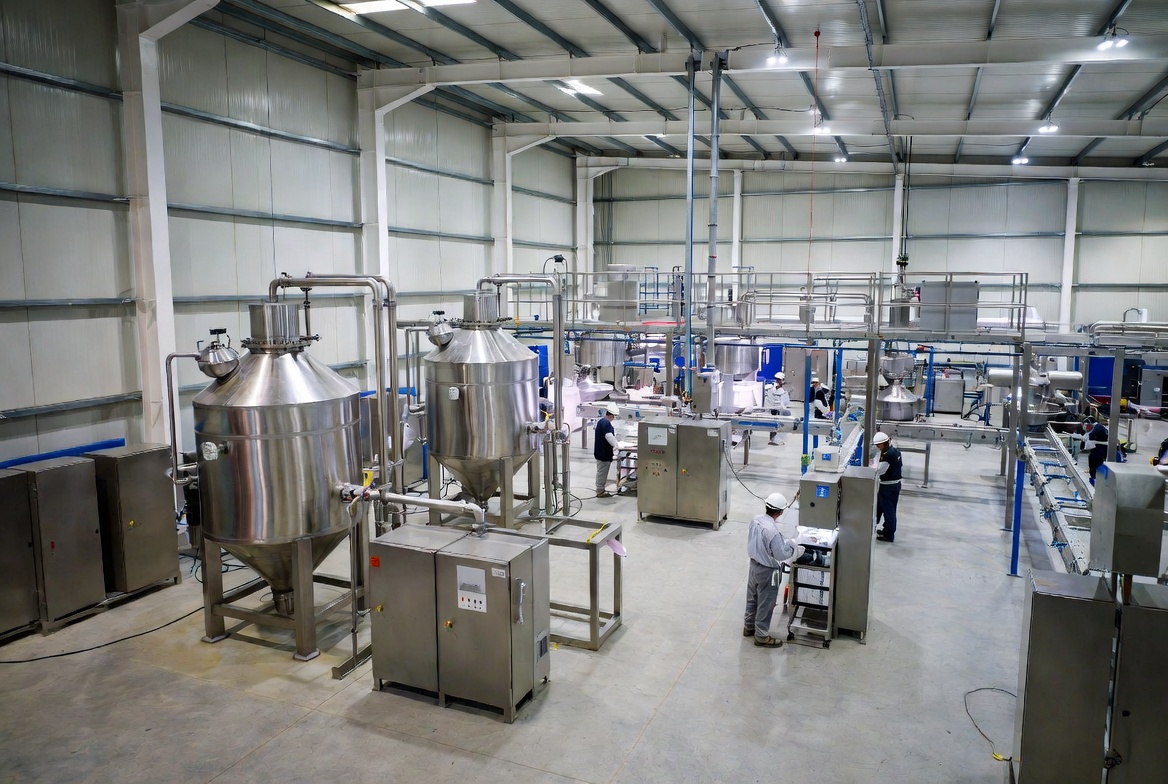
Before shortlisting factories, procurement teams should apply a structured evaluation framework that goes well beyond unit price.
1. Factory certifications and compliance
Give priority to suppliers with valid quality, environmental and occupational health management systems. Product‑level compliance (e.g., RoHS, REACH, CE, UL where relevant) is critical for sectors such as automotive, electronics and medical equipment. Always verify certificates through official registries or accredited bodies instead of relying solely on scanned copies.
2. R&D capability and technical depth
A capable industrial powder coating manufacturer maintains in‑house formulation laboratories, color‑matching facilities and application testing lines. Technical teams should be able to adjust formulations for different substrates, curing profiles and end‑use environments, and support troubleshooting during production ramp‑up.
3. QC process and traceability
Robust quality systems include incoming raw material inspection, in‑process checks on particle size and flow, curing window verification and batch traceability down to raw material lots. Mature factories keep retained samples and test records for each batch to support audits and failure analysis.
4. Capacity, lead time and delivery stability
Production capacity must align with forecast demand, but stability is equally important. Reliable suppliers demonstrate consistent lead times, maintain safety stocks of key raw materials and have contingency plans for supply disruptions and seasonal demand peaks.
5. Environmental performance and energy saving
With increasingly strict regulations on emissions and workplace safety, industrial buyers benefit from partnering with factories that invest in cleaner production technologies, energy‑saving curing profiles and environmentally responsible waste management.
6. Communication and project management
Industrial projects often hinge on clear technical communication. Fast response times, English‑speaking sales engineers and structured project management practices significantly improve cooperation, from sampling to mass production and subsequent optimization.
Industrial powder coatings in China are supported by a large coatings industry that has shifted from purely volume growth to efficiency and value. While overall output and revenue have faced headwinds, profitability has improved, driven by structural upgrades, higher performance products and tighter cost control.
Powder coatings continue to gain share as manufacturers move from solvent‑borne to powder and water‑borne systems, particularly in construction, new energy vehicles, photovoltaics, energy storage, furniture and general industrial equipment. Export volumes of finished coatings have increased, reflecting rising global acceptance of Chinese industrial coating solutions.
Manufacturing clusters enhance this ecosystem. Regions such as Foshan and Guangzhou are renowned for architectural aluminum profiles and furniture, while Shenzhen and nearby areas specialize in electronics and 3C products requiring precise, thin‑film coatings. Shandong, Jiangsu and Fujian support heavy machinery, marine and general industrial sectors, creating integrated supply chains for resins, pigments, curing agents and application equipment.
The following Top 10 Industrial Powder Coating Manufacturers in China have been selected based on criteria tailored to professional purchasing managers:
- Significant focus on industrial powder coatings for architecture, automotive and EV, machinery, HVAC, furniture, electronics and pipelines.
- Documented quality and environmental management systems and mainstream product compliance.
- Active participation in export markets or cross‑border OEM/ODM cooperation.
- Demonstrated production capacity and stable operations despite raw material and energy market fluctuations.
- Proven ability to provide customized formulations, color matching and application‑specific performance.
Yinda Technology is intentionally placed first as a representative "high value‑for‑money, R&D‑driven and flexible" partner serving small and mid‑size brands and industrial buyers who need responsive, tailored support rather than purely commodity supply.
Yinda Technology is a specialized manufacturer focused on powder coatings and eco‑friendly materials, with subsidiaries in China, Indonesia and Saudi Arabia. The company serves application segments including architectural profiles, doors and windows, new energy vehicles, medical equipment, hardware and electrical products.
Yinda's key strength lies in its combination of technical depth and flexibility. The company invests in R&D for energy‑saving technologies, advanced powder formulations and application‑oriented solutions, rather than competing solely on price. Typical OEM/ODM services include custom colors for building facades, functional coatings for EV battery housings and frames, and durable, cleanable finishes for medical equipment.
For procurement managers, Yinda is particularly suitable when:
- Lower or more flexible MOQs are required for new models, niche colors or pilot projects.
- Cross‑border communication and responsive technical feedback are important.
- Joint development of formulations and process optimization is needed rather than simple catalogue supply.
Yinda's positioning makes it a compelling option for mid‑size brands, emerging EV manufacturers and equipment producers seeking a balance of cost, reliability and collaborative development.
AkzoNobel operates substantial powder coating facilities in China and ranks among the country's largest producers by sales volume. Its industrial portfolio covers architectural façades, automotive components, general industrial equipment and metal furniture.
Strengths include:
- Well‑established quality and environmental systems aligned with international standards.
- Diverse resin systems (polyester, epoxy, hybrid, specialty systems) and advanced functional coatings, such as high‑weatherability and anti‑corrosion grades.
- Global technical support and harmonized specifications across regions.
AkzoNobel's China operations are well suited for large projects that demand consistent performance and documentation across multiple plants or countries. Typical drawbacks for smaller buyers can be higher MOQs and less flexibility in niche customization, given its scale and global program focus.
PPG Industries, including its Huajia operations in China, is another major player in industrial powder coatings. The company serves automotive, appliances, agricultural machinery, architectural metal and general industrial clients.
Key advantages:
- Strong technical competence in film thickness control, edge coverage and specialty performance, which is critical for automotive and complex geometry parts.
- Integrated support for global OEM standards, making it suitable for multinational manufacturing platforms.
- Access to international raw material networks and advanced testing facilities.
PPG is a good match for industrial buyers seeking high performance coatings for mission‑critical applications, such as vehicle exterior components, EV parts and premium appliances, where process repeatability and technical support are vital.
Fujian Wan'an Industrial Group has significant powder coating output and primarily serves building materials, furniture and general industrial sectors.
Typical strengths include:
- Established presence in architectural and furniture applications, with a focus on color stability and outdoor durability.
- Competitive pricing supported by scale, making it a practical option for volume projects.
- Online export activity that suggests responsive customer service and decent reorder rates.
This manufacturer is attractive for buyers needing reliable supply of standard industrial powders for profiles, panels and furniture where performance requirements are well understood and cost efficiency is important.
Jianghua Holding Group operates substantial powder coating capacity and supplies building materials, HVAC systems and general industrial applications.
Key attributes:
- Balanced focus on capacity and mainstream industrial performance rather than niche specialties.
- Suitable for projects involving building envelopes, industrial enclosures, and machinery housings.
- Beneficial for buyers who require stable supply and clean documentation without necessarily needing highly customized technical systems.
Jianghua is best suited to procurement managers with clearly defined, standard performance specifications and predictable demand patterns.
Sunrays Powder Coatings Group is a notable producer that focuses on building materials, appliances and functional powder coatings.
Advantages:
- Engagement in cleaner coating technologies and alignment with regional policy trends favouring powder and water‑based systems.
- Portfolio suitable for domestic and export projects involving appliances, architectural panels and general industrial parts.
- Ability to support transitions from solvent‑borne to powder systems.
Sunrays can be a solid partner for buyers looking to upgrade existing lines to more sustainable powder solutions while maintaining familiar performance profiles.
Operating under the Rivers brand, Guangdong Huajiang Powder Technology is backed by high‑tech investment and ranks among the leading powder coating producers.
Typical strengths:
- Strong R&D and environmental compliance emphasis, with products designed for new energy, advanced manufacturing and sustainable development scenarios.
- Strategic location within Guangdong's furniture, aluminum profile and electronics clusters, which supports rapid coordination and logistics.
- Suitability for furniture manufacturers, profile extruders and general industrial clients requiring mid‑ to high‑volume supply.
Huajiang is particularly appealing when buyers need a blend of capacity, environmental responsibility and the ability to serve regional manufacturing hubs.
Nippon Paint (Tianjin) is part of a group known for strict quality approaches and serves domestic and export markets with industrial powder coatings.
Key points:
- Alignment with demanding Japanese quality standards, making it suitable for automotive and precision industrial sectors.
- Strong focus on consistency in color, gloss and film properties.
- Well‑suited to high‑value applications such as vehicle components, 3C product housings and other precision parts where deviations are costly.
Procurement managers with projects requiring tight tolerances and premium finish quality often consider Nippon Paint's operations for critical lines.
Qingtian Materials Technology offers industrial powder coatings for building materials and general industrial segments.
Main characteristics:
- Reliable formulations for architectural profiles, fencing and machinery, with attention to basic UV and corrosion resistance.
- Competitive pricing aimed at cost‑sensitive projects.
- Practical choice for non‑critical applications where standard performance and on‑time delivery matter more than specialized features.
Qingtian suits buyers who require straightforward, well‑defined performance at accessible price points.
Beijing Hansen Bond Technology is known for functional and anti‑corrosion powder coatings oriented towards infrastructure and heavy industrial equipment.
Strengths include:
- Focus on durable, long‑life coating systems for harsh environments such as outdoor infrastructure, heavy machinery and industrial facilities.
- Technical knowledge in anti‑corrosion design and system integration, particularly relevant for structural components and pipeline protection.
- Value for buyers prioritizing lifetime performance, maintenance cost reduction and risk mitigation in demanding environments.
This manufacturer is a strong candidate for industrial buyers with projects that require robust protective coatings rather than purely decorative films.
Industrial powder coatings vary significantly by resin system, curing profile and performance envelope. Technical buyers should look beyond generic "industrial grade" descriptions and scrutinize detailed data.
- Polyester powders: Common for exterior architectural metal and outdoor equipment due to good UV resistance.
- Epoxy powders: Used for indoor applications and strong corrosion protection; often applied on machinery and interior structural components.
- Polyester‑epoxy hybrid systems: Widely used in appliances and general indoor metal components.
- Specialty systems: Fluoropolymer and other advanced resins for ultra‑high weatherability or specific chemical resistance.
- Mechanical properties such as impact resistance, adhesion and flexibility.
- Corrosion performance, expressed in standardized test hours (e.g., salt‑spray or cyclic corrosion tests).
- UV and weather resistance, including gloss and color retention over time.
- Chemical resistance suited to the end‑use environment (industrial atmospheres, cleaning agents, process fluids).
- Film appearance metrics such as gloss level, orange‑peel tendency and color difference values.
Powder coatings increasingly need to satisfy substance restriction frameworks and environmental regulations. Buyers should request clear documentation, third‑party test reports where necessary, and ensure that the supplier's processes and formulations align with regulatory requirements in export markets.
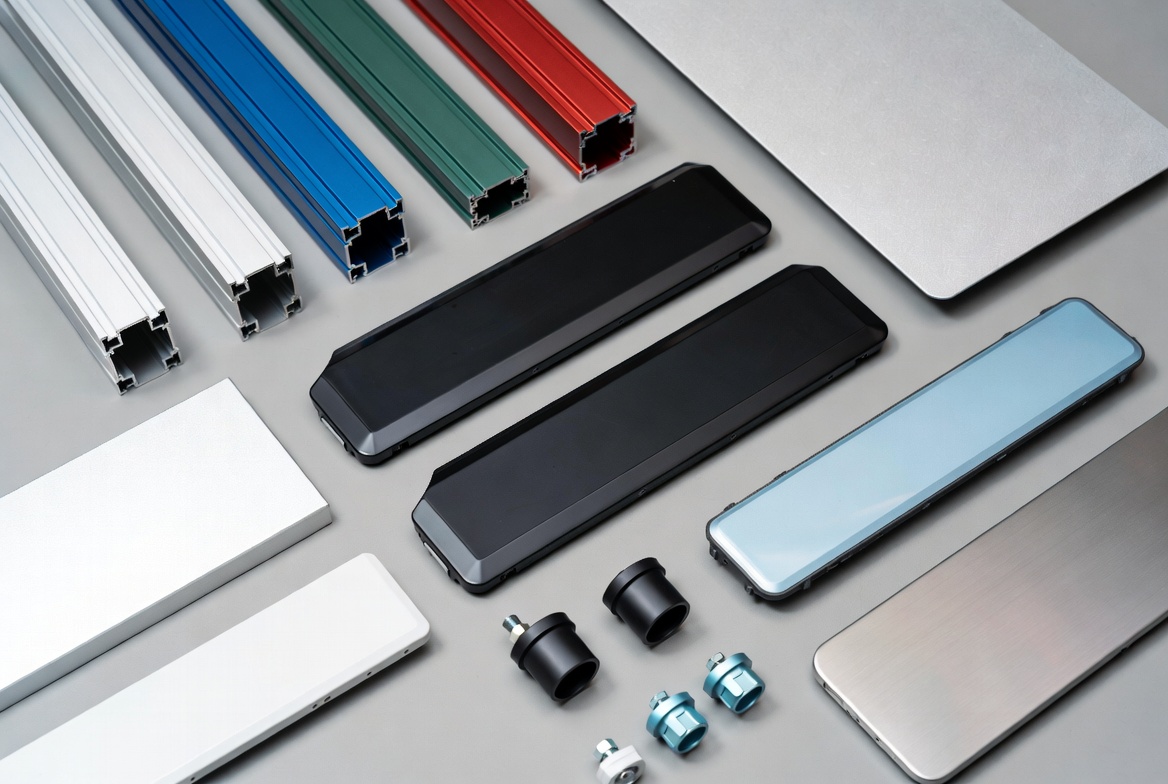
Experienced industrial buyers routinely monitor several risks that are not always discussed openly.
When raw material costs rise, some factories may quietly shift to lower‑grade resins or modify formulations while keeping datasheets unchanged. The impact often appears months later as faster chalking, reduced gloss retention or premature corrosion.
Mitigation:
Track unusual price changes, request clear disclosure of resin type for key systems, and periodically commission performance comparisons for reference colors or products.
Marketing claims such as "1000+ hours" or "10‑year protection" may be based on lab conditions that differ from real‑world environments. Factors such as substrate preparation, pre‑treatment, film thickness and curing profiles can substantially alter actual performance.
Mitigation:
Insist on test configurations that mirror your own process and environment. Run independent tests where performance is critical and specify realistic performance thresholds instead of aspirational slogans.
Minor formulation changes can shift optimal curing temperature and time. If production lines are not adjusted, under‑cure or over‑bake issues can arise, leading to poor mechanical properties or color shifts.
Mitigation:
Re‑validate cure profiles when changing batch or lot for key products. Monitor oven temperature uniformity and film thickness closely, and document optimal ranges jointly with the supplier.
Insufficient packaging, inappropriate warehouse humidity or poor handling can cause powder caking and flow issues, especially in hot climates or during long transit.
Mitigation:
Inspect warehouse conditions during factory audits, agree on packaging standards and storage instructions, and define responsibilities for damage or quality loss during transportation.
- Request complete sets of management system certificates and product compliance documents, including certificate numbers and issuing bodies.
- Verify certificates directly through official channels or accredited registries.
- Conduct video or on‑site audits focusing on raw material storage, lab equipment, QC documentation and batch traceability.
- Review test reports and retained sample policies to understand how non‑conformities are handled.
- Shortlist several candidate suppliers and request production‑line samples rather than lab‑only batches.
- Run trials on actual substrates with your regular pre‑treatment, evaluating film thickness distribution, edge coverage, curing behaviour and appearance across full production shifts.
- For color‑critical projects, align on master standards and require the supplier to monitor and report color difference values and gloss deviations.
- Consider the impact of global energy and raw material volatility on cost and lead time. Reflect this in contracts and planning buffers.
- For long‑distance shipments, specify temperature and humidity requirements during transport and storage, especially for warm or humid climates.
- Maintain at least one qualified backup supplier for critical colors or systems to reduce line shutdown risk in case of disruption.
1. Material downgrading and specification drift
Avoid relying solely on price as the primary differentiator. Lock down key formulation and performance parameters in technical agreements and perform periodic independent checks.
2. Color inconsistency between batches and plants
Use standardized color references and agree on maximum allowable color differences. Monitor process variables such as oven temperature, film thickness and application settings.
3. Hidden MOQs, surcharges and packaging policies
Clarify minimum batch sizes, color matching fees, and packaging charges in writing. Flexible suppliers such as Yinda Technology are often willing to design more adaptable MOQ structures for small and mid‑size buyers.
4. Limited support for line optimization
Some suppliers focus mainly on selling powder rather than supporting process tuning. Prioritize partners that provide application engineers, clear cure profiles and troubleshooting guidance.
| Manufacturer | Scale / Rank in China | Typical MOQ Trend | Customization & OEM Focus | Compliance & Green Focus |
|---|---|---|---|---|
| Yinda Technology | Mid‑size, export‑oriented industrial focus | Flexible, suitable for SMEs and niche colors | Strong OEM/ODM, deep support for architectural, EV, medical | Emphasis on eco‑friendly materials and energy saving |
| AkzoNobel (China) | Large‑scale, top national volume | Higher MOQs aligned with global programs | Broad customization within standard platforms | Extensive management systems and global programs |
| PPG (incl. Huajia) | Large, top‑tier industrial producer | Medium‑to‑high MOQ, automotive focus | Strong for automotive and appliance OEM | Robust documentation and systemized compliance |
| Fujian Wan'an | High volume, architecture and furniture | Competitive MOQ for building/furniture | Moderate customization, fast commercial response | Standard certifications suited to export projects |
| Jianghua Holding | High volume, general industrial | Mid‑range MOQs for mainstream sectors | Focus on standard industrial specifications | Participates in industrial structure upgrading |
| Sunrays Group | Notable capacity in appliances/building | Standard industrial MOQ | Customization for appliances and architectural uses | Supportive of transitions to powder systems |
| Huajiang (Rivers) | Leading mid‑to‑large producer | Industrial MOQ, strong in Guangdong cluster | Good customization for furniture and profiles | Backed by high‑tech investment and green agenda |
| Nippon Paint (Tianjin) | Large, high‑spec focus | Higher MOQ for premium systems | Strong for automotive and precision 3C products | Strict quality practices aligned with Japan‑based standards |
| Qingtian Materials | Mid‑sized, cost‑efficient supplier | Cost‑efficient MOQs for general industrial | Basic customization for standard requirements | Standard QC and steady performance |
| Beijing Hansen Bond | Mid‑to‑large, heavy‑duty focus | Industrial MOQs for protective systems | Tailored solutions for anti‑corrosion and infrastructure | Strong orientation towards durability and lifetime |
China's industrial powder coating sector brings together large global producers and agile OEM‑focused manufacturers. By combining clear evaluation criteria, independent testing and structured communication, procurement managers can mitigate common industry pitfalls and build stable long‑term partnerships. The ten manufacturers outlined above represent different positions along the spectrum of capacity, customization and green performance, with Yinda Technology standing out as a flexible, R&D‑oriented option for small and mid‑size brands and industrial buyers.
1. How can I verify whether a supplier's management system certificate is valid or expired?
Ask for clear certificate numbers and issuing bodies, then confirm validity through the official online verification systems or accredited registries that list scope and expiry dates.
2. What is the best way to confirm whether a powder coating's corrosion resistance matches the supplier's claims?
Conduct independent tests using panels that replicate your substrate, pre‑treatment and film thickness under standardized corrosion testing. Compare failure modes, test hours and visual results with documented values.
3. How do I detect if a supplier has changed resin or key raw materials without adequate communication?
Monitor changes in pricing, curing behaviour, gloss, and outdoor appearance across batches. For critical systems, regularly run performance comparisons and request transparent reporting of formulation modifications.
4. What is an effective qualification process for a new supplier in EV or medical equipment projects?
Implement staged qualification: laboratory screening, pilot line trials on representative parts, extended durability and chemical resistance testing, and documentation review covering traceability and substance restrictions. Maintain joint procedures for issue handling and continuous improvement.
5. How can I manage supply risk amid volatile energy and raw material markets?
Use pricing mechanisms that allow periodic review, develop at least one backup supplier for critical coatings, and align safety stocks and lead time expectations with both primary and secondary partners.
1. China National Coatings Industry Association – Coatings industry economic operation data (2025)
- [https://news.chemnet.com/news-3005.html]
2. Rivers Coating – Top 10 Powder Coating Manufacturers in China in 2024
- [https://www.riverscoating.com/news/161.html]
3. B2B ranking data for powder coating manufacturers in China (2026)
- [https://b2bdata.aipage.com/en/rank/k/all-area/powder-coating?fid=403062784]
4. Powder coating manufacturer overview and technical background
- [https://us.metoree.com/categories/2749/]
5. Supplier lists and sourcing insights for powder coating manufacturers in China
- [https://www.accio.com/supplier/powder-coating-manufacturers-in-china]
6. ISO certification verification practices and guidance
- [https://proconsultancyuae.com/verify-iso-certification-guide/]
7. Yinda Technology – Company profile and advantages


