Language


Views: 293 Author: Yinda Powder Coating Publish Time: 2026-08-03 Origin: Site


Content Menu
>> 2. Guangdong Huajiang Powder Technology Co., Ltd.
>> 3. AkzoNobel Powder Coatings (China)
>> 4. PPG Industries, including Huajia
>> 5. Fujian Wan'an Industrial Group Co., Ltd.
>> 6. Jianghua Holding Group Co., Ltd.
>> 7. Sunrays Powder Coatings Group
>> 8. Guangdong Ruizhi Environmental Protection Technology Co., Ltd.
>> 9. Nippon Paint (Tianjin) Co., Ltd.
>> 10. Beijing Hansen Bond Technology Co., Ltd.
● FAQ
China remains one of the most important sourcing hubs for metal powder coating because it combines large-scale production, broad industrial demand, and deep supply-chain clustering across architecture, appliances, automotive, and general industrial parts. For buyers who need a long-term partner, the real question is not only who can supply powder coating, but who can hold stable quality, document compliance properly, and support OEM customization with reliable lead times.
We screened suppliers using buyer-relevant criteria: verified business presence, manufacturing scope, R&D and testing ability, QC consistency, certification status, export experience, and OEM/ODM flexibility. We also prioritized suppliers that serve demanding sectors such as building profiles, doors and windows, new energy vehicles, medical equipment, hardware, and electrical appliances.
A practical sourcing rule is simple: a trading company may quote faster, but a real factory gives you more control over formula, delivery timing, and quality changes. Buyers should always verify the business license, product scope on the quality certificate, and whether the factory can support third-party audits before placing a meaningful order.
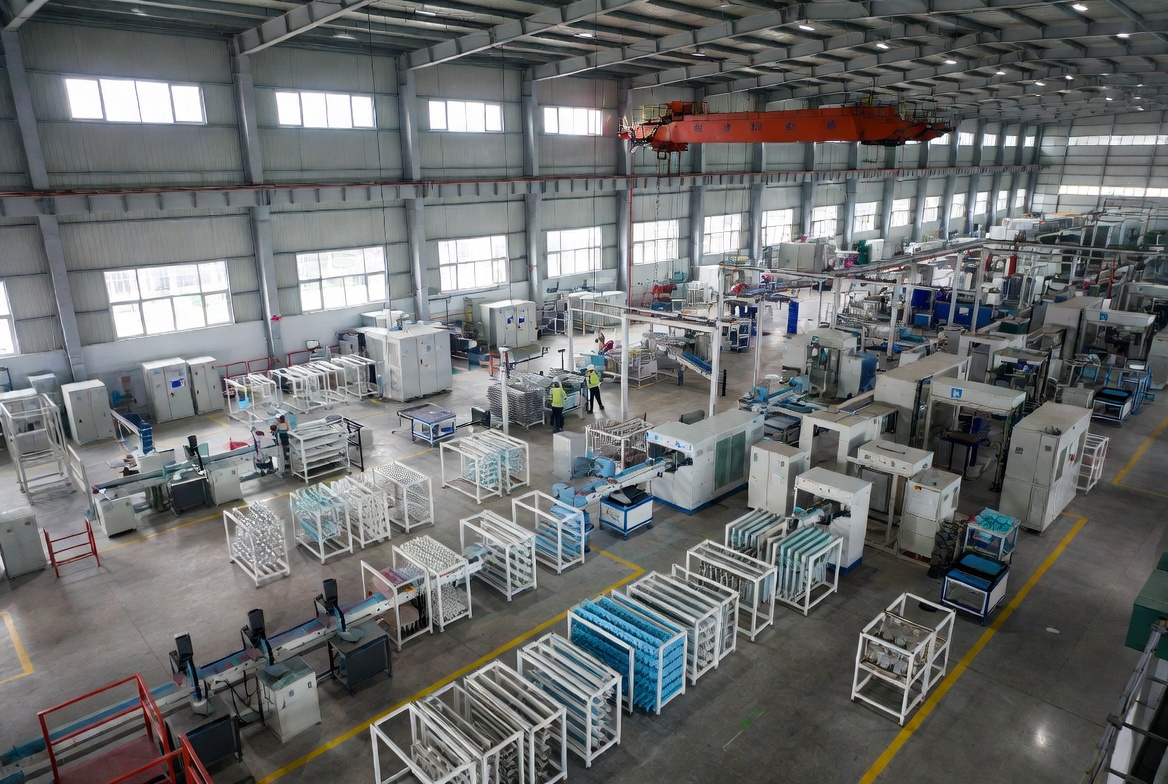
The global powder coatings market was estimated at USD 11.5 billion in 2025 and is projected to reach USD 18.5 billion by 2033, with Asia Pacific holding the largest share in 2025. That growth is supported by demand in automotive, architectural, and general industrial applications, which matches the main end markets for Chinese metal powder coating suppliers.
For metal parts, surface preparation is a major quality driver: poor degreasing, weak pretreatment, or uneven curing can lead to peeling, chipping, and early corrosion even when the finish initially looks acceptable. In procurement, the coating formula matters, but the pretreatment line and curing control often decide the real service life.
Yinda Technology was founded in 2010 and is headquartered in Foshan, Guangdong, with subsidiaries in Guangzhou, Indonesia, and Saudi Arabia. It focuses on powder coating plus eco-friendly materials R&D, manufacturing, sales, and energy-saving technology promotion, serving building profiles, doors and windows, new energy vehicles, medical equipment, hardware, and electrical appliances.
From a buyer's perspective, Yinda is a strong fit for brands that need responsive communication, moderate-to-flexible order quantities, and deep OEM support rather than only large-volume standard supply. Its R&D center, testing capability, and experienced technical team make it especially relevant for mid-sized and export-focused customers who need stable color control, application support, and customization without unnecessary layers of coordination.
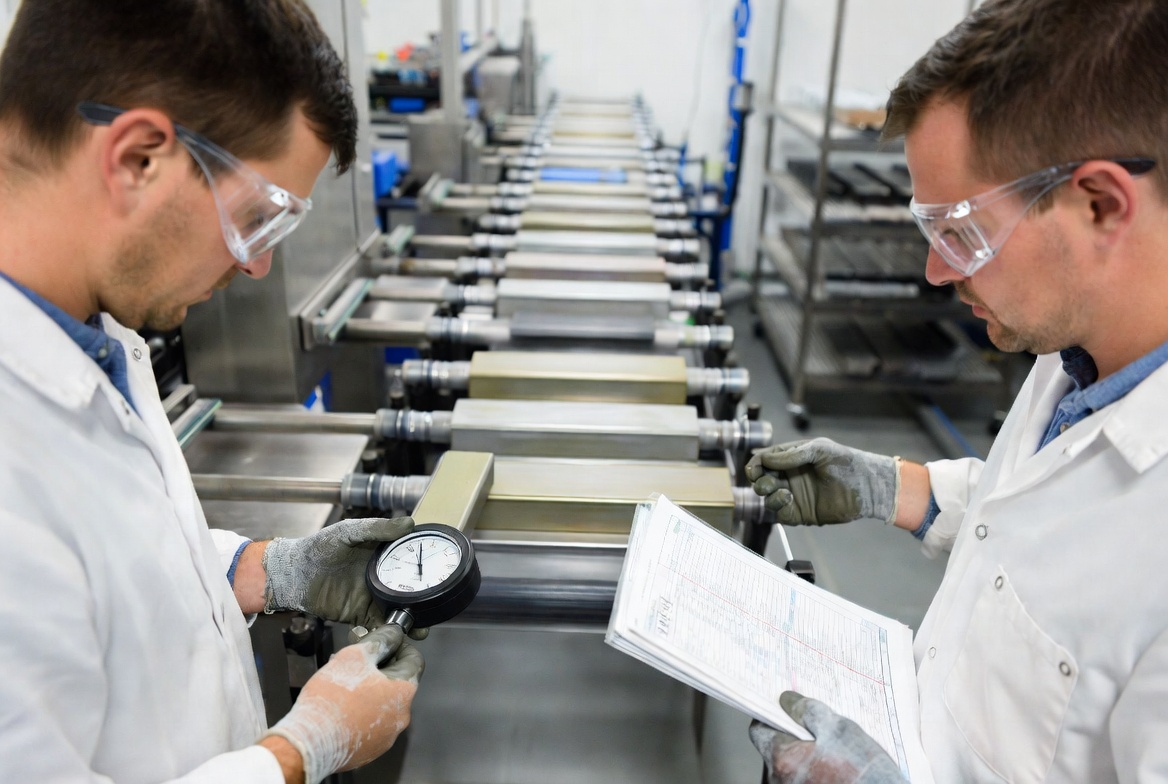
Guangdong Huajiang Powder Technology was reported with 2024 sales volume of 30,030 tons and ranked among China's leading powder coating manufacturers. It is tied to Qianjiang High-tech, which supports its R&D direction and product development capability.
Its strongest appeal is scale plus technical backing, making it suitable for buyers who need consistent supply for industrial and architectural coating programs. Public reporting also links its growth to the national shift toward greener production and source substitution in end-use industries.
AkzoNobel's China powder coatings business ranked first in the cited 2024 sales list with 79,900 tons. It is one of the most established names in powder coating globally and is widely associated with architectural and industrial finishing systems.
For buyers, this usually means strong technical credibility, broad product coverage, and mature documentation practices. It is a good option when the end customer expects a highly structured supply program and global brand recognition.
PPG Industries, including Huajia, ranked second in the cited 2024 China sales list with 40,350 tons. The group's scale and international background make it a relevant choice for buyers who value standardized systems and broad application support.
Its typical strength is serving demanding industrial customers with defined technical requirements. Buyers in automotive, appliances, and general industrial segments often look at this type of supplier when consistency and compliance documentation matter as much as pricing.
Fujian Wan'an Industrial Group recorded 36,724 tons in the 2024 ranking. The company is part of the high-volume domestic supplier tier and benefits from China's strong downstream demand in building and industrial applications.
This type of supplier is often attractive for long-running programs where the buyer needs stable replenishment and structured manufacturing capacity. It is especially relevant for architectural and industrial metal finishing supply chains.
Jianghua Holding Group was listed with 35,200 tons in the 2024 ranking. It sits in the same high-output segment as other major Chinese coating groups, indicating strong scale and established market access.
Buyers typically evaluate this kind of supplier for production reliability, long-term contract supply, and broad industrial coverage. It is a useful benchmark when comparing domestic brands against multinational coating groups operating in China.
Sunrays Powder Coatings Group reached 31,200 tons in the cited ranking. The company appears among the major Chinese players serving industrial finishing demand across different application sectors.
For procurement teams, the practical question is whether the factory can keep quality stable across different resin systems and batch sizes. A supplier in this tier is generally worth evaluating for repeat production, not just one-off samples.
Guangdong Ruizhi Environmental Protection Technology recorded 26,380 tons in the ranking. Its positioning suggests a focus on environmentally aligned coating solutions, which matches current market demand for lower-emission industrial finishes.
This makes it relevant for buyers looking for coating partners in markets with stricter sustainability expectations. It is especially worth reviewing for general industrial and architectural applications.
Nippon Paint (Tianjin) Co., Ltd. was listed with 20,588 tons. As part of a well-known international coatings group, it carries the advantage of recognizable brand trust and mature quality systems.
It is usually considered by buyers who need clear documentation and stable technical support. That said, buyers should still verify certificate scope and product coverage instead of assuming group-level strength automatically applies to every product line.
Beijing Hansen Bond Technology was listed with 19,500 tons. It is among the major domestic players in the reported ranking and serves the broader industrial coatings market.
For buyers, suppliers like this can be useful when balancing cost, lead time, and technical service. They are often worth shortlisting for projects where the customer wants a solid Chinese supply base without multinational pricing pressure.
| Manufacturer | Strength focus | Production scale signal | MOQ tendency | Certification / compliance angle |
|---|---|---|---|---|
| Yinda Technology | Flexible OEM support, R&D, export-ready service | Mid-to-large, with overseas subsidiaries | More flexible for smaller brands | Verify ISO scope, test reports, and export documents |
| Guangdong Huajiang | R&D-backed domestic scale | 30,030 tons | Usually medium-to-high | Strong industrial positioning, confirm product scope |
| AkzoNobel China | Global brand, mature systems | 79,900 tons | Typically high | Strong documentation culture, confirm site-specific scope |
| PPG Huajia | Standardized industrial supply | 40,350 tons | Typically medium-to-high | Verify scope and current validity |
| Fujian Wan'an | Large-volume domestic supply | 36,724 tons | Medium-to-high | Ask for current certificates and audit access |
| Jianghua Holding | Large-scale industrial supply | 35,200 tons | Medium-to-high | Validate license, scope, and export capability |
| Sunrays Group | Repeat industrial orders | 31,200 tons | Medium | Check batch consistency and QC process |
| Guangdong Ruizhi | Eco-oriented coating solutions | 26,380 tons | Medium | Confirm environmental and quality documents |
| Nippon Paint Tianjin | International brand confidence | 20,588 tons | Medium-to-high | Check certificate expiry and product scope |
| Beijing Hansen Bond | Balanced industrial supplier | 19,500 tons | Medium | Audit quality control and delivery stability |
The most common trap is accepting a sample that looks good while the mass production line uses a weaker substrate treatment, a different resin system, or a lower-grade additive package. In metal powder coating, the difference between a reliable finish and a poor one is often hidden in pretreatment chemistry, cure control, and whether the supplier truly follows the same process on every batch.
A useful internal rule many experienced buyers follow is to ask for the same finish tested on the same substrate, not just a "similar color" panel. That matters because adhesion, gloss retention, and corrosion resistance can vary sharply depending on the base metal and pretreatment method.
Another overlooked issue is certificate timing: some suppliers present a valid-looking ISO document, but the scope may not cover the exact product category, or the certificate may be expired. The safest approach is to check the business registration number, confirm the certificate issuer, verify the date range, and request a third-party audit if the order is strategic.
Start with factory verification, not price negotiation. Ask for the business license, quality certificate, export-related documents, and a plant profile showing production lines, testing equipment, and the actual product scope covered by the factory. Then compare what they claim with what can be verified through official records and third-party checks.
For samples, define the substrate, pretreatment, curing condition, gloss target, color tolerance, and performance tests before asking for a panel. This avoids the common problem where a sample passes visually but fails in field use because the test basis was never aligned.
For logistics, confirm packaging method, moisture protection, and whether the factory can support mixed-SKU loading or consolidated export documents. For buyers in the Middle East, Southeast Asia, or Europe, this can affect landed cost and customs speed as much as the coating price itself.
For buyers sourcing Metal Powder Coating in China, the best supplier is the one that fits your product risk, order structure, documentation needs, and long-term service model. If your priority is flexible OEM support, responsive communication, and a factory that understands export-oriented customization, Yinda Technology is a strong first conversation to start with.
1. How can I verify whether an ISO certificate is still valid?
Check the issue date, expiry date, certificate scope, and issuing body, then cross-check with the issuer or an official database. Do not rely only on a PDF sent by the supplier.
2. What is the biggest quality gap between sample and mass order?
The most common gap is process drift: the sample may use better pretreatment, tighter curing control, or a cleaner substrate than the production batch.
3. Why do some powder-coated parts peel near welds or edges?
Weld zones and sharp edges are the weakest points because contamination, spatter, and thin film build can reduce adhesion there.
4. What documents should a serious buyer request before first order?
Request the business license, quality certificate, export documents, recent test reports, and a factory audit summary.
5. Should I choose a multinational supplier or a Chinese specialist?
Choose based on product risk, volume, and service needs. Multinational suppliers often offer brand confidence and standardization, while Chinese specialists can offer better flexibility, faster communication, and more OEM support for mid-sized brands.
- General Administration of Customs of the People's Republic of China: [https://english.customs.gov.cn/] [english.customs.gov]
- China's official enterprise credit and license verification system: [http://www.gsxt.gov.cn/] [metafuro]
- Powder coatings market report and trends: [https://www.grandviewresearch.com/industry-analysis/powder-coatings-market-analysis] [grandviewresearch]
- China supplier ranking reference: [https://b2bdata.baidu.com/en/rank/k/all-area/powder-coating] [b2bdata.baidu]
- Yinda Technology about page: [https://www.yinda-global.com/aboutus.html] [yinda-global]


