Language


Compare epoxy powder coating vs acrylic powder coating for weather resistance, chemical protection, appearance, processing, and cost. This practical guide helps manufacturers choose a suitable finish for architectural, automotive, medical, hardware, and appliance applications with Yinda Technology.

Compare laser curing and UV gel curing for ultra-thin film powder coating on heat-sensitive metal assemblies. Explore melt and cure mechanisms, 20–40 µm film risks, geometry and color limits, qualification tests, energy costs, and a practical route to selecting the right process with Yinda Technology.
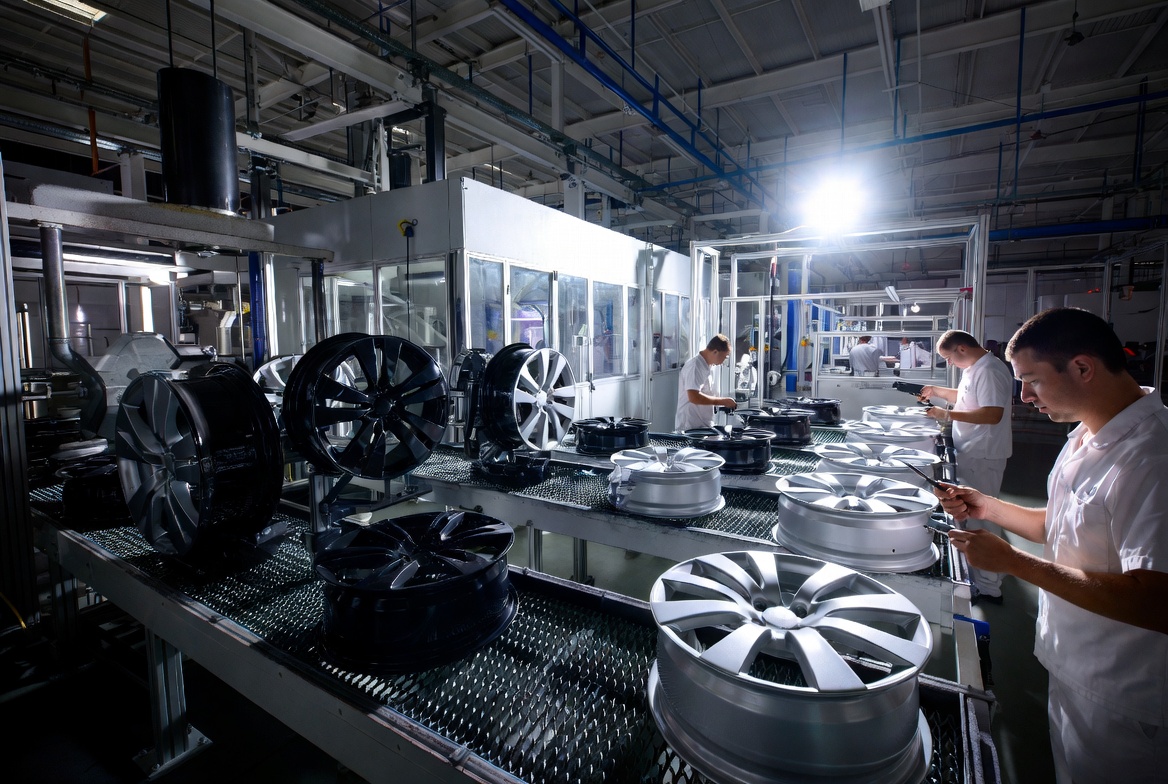
Explore automotive powder coating for wheels, springs, trim and EV components. Learn how to select coating chemistry, verify pretreatment and cure, assess corrosion and adhesion tests, and build a practical supplier specification for reliable vehicle-part finishing.

Outgassing-forgiving powder coating can help cast aluminum engine-block manufacturers reduce pinholes, craters, and rework caused by trapped gas during curing. This in-depth comparison explains how OGF and standard powder coatings differ in formulation, process tolerance, cost, surface quality, pre-baking, film thickness, and production-line control for automotive and industrial cast aluminum applications.

Discover 10 everyday products that use powder coating, from aluminium windows and appliances to EV components and medical equipment. Learn how to select the right powder coating by substrate, climate, durability, colour, curing conditions, and production needs.
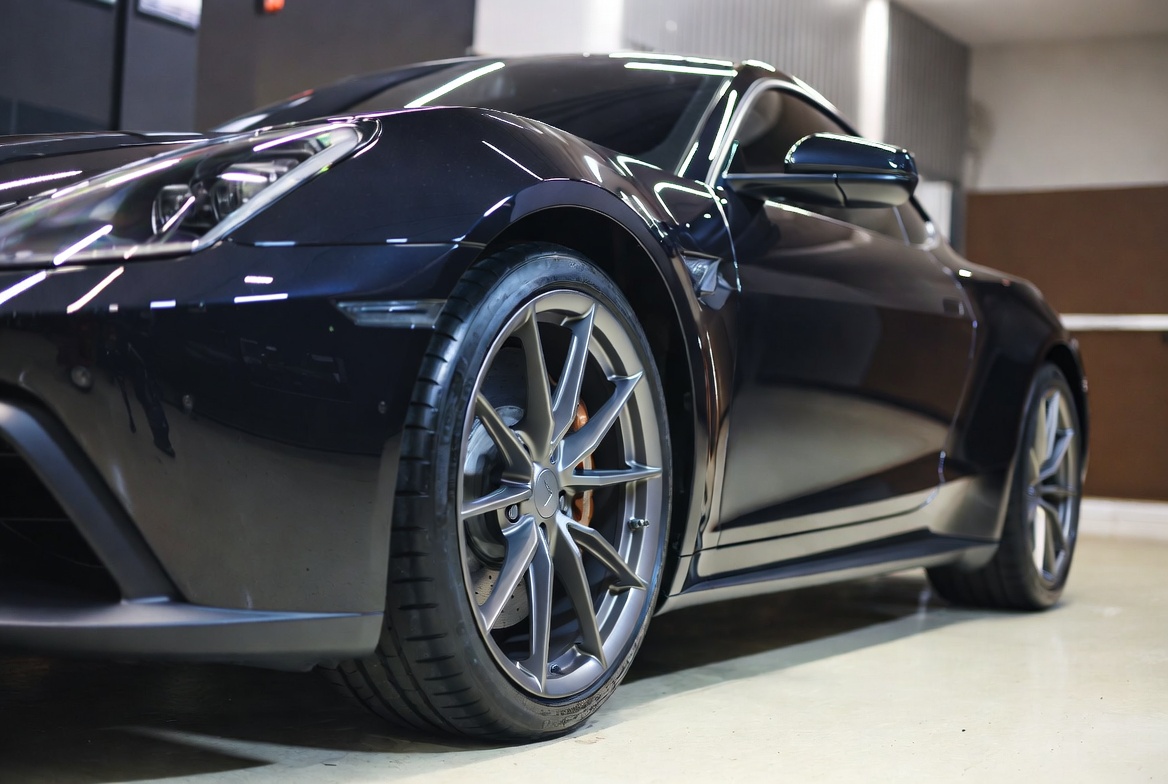
Powder coating colors for wheels and car rims combine style, protection, and long-term value. This expert guide explains the best color choices, current pricing, key cost factors, and practical buying advice for vehicle owners who want a durable, premium finish.
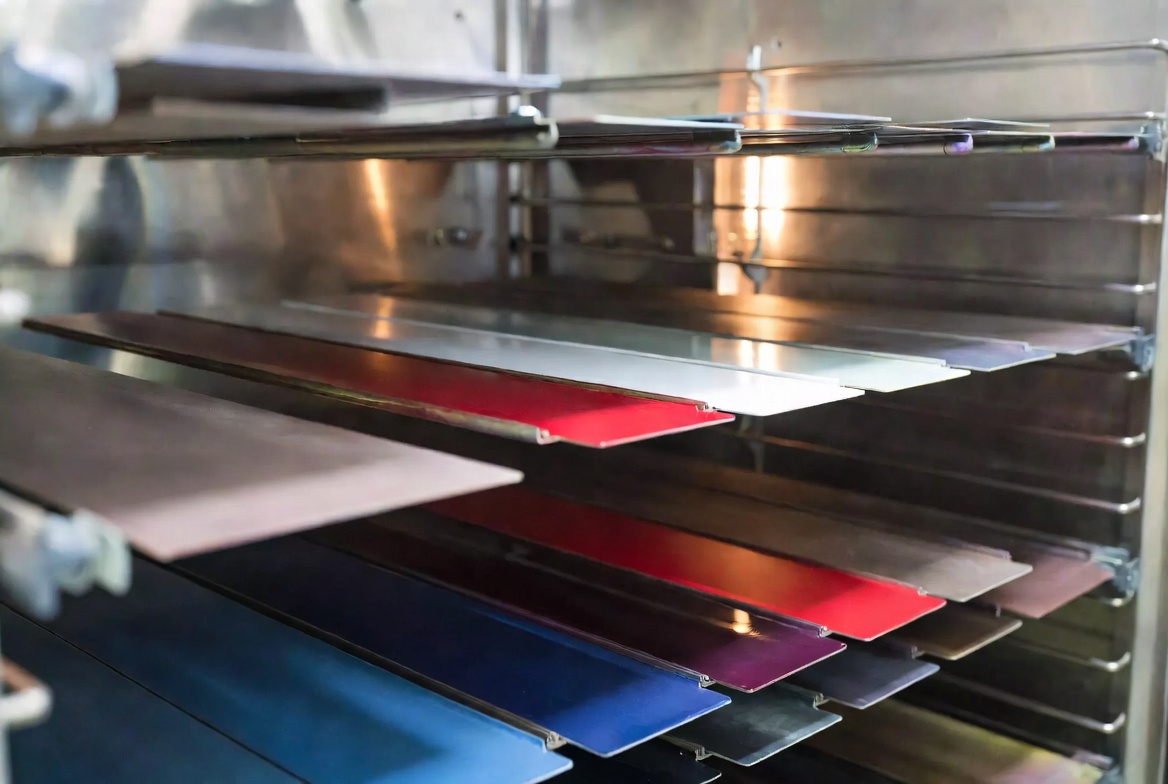
This article explains how much heat powder coating colors can withstand, why color changes happen, and how to choose the right finish for demanding industrial use. It is written for buyers, engineers, and manufacturers who need practical guidance on thermal performance, color stability, and application fit.


Suitable for decorating and protecting various outdoor products, such as outdoor lighting, beach chairs, solarwater heaters, outdoor air conditioning units, aluminum curtain walls, door and window frames, ceilings, highwayguardrails, fences, sports facilities, communication equipment, etc.


